How to Stop Hillside Soil Erosion with Native Grasses
The Foundation of Hillside Stability: Why Vegetation Outperforms Hardscaping
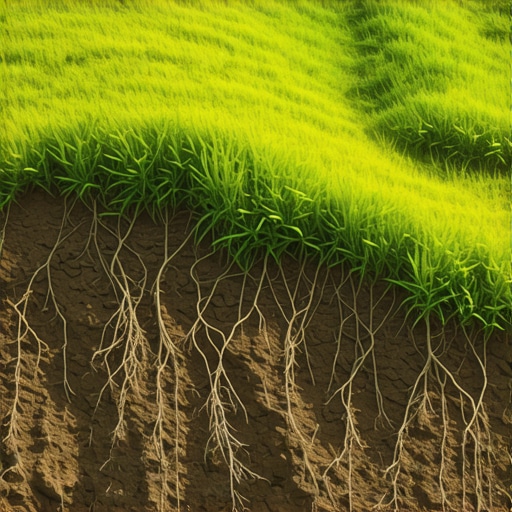
Hillside soil erosion is stopped by neutralizing hydraulic energy and increasing the soil shear strength through biological reinforcement. Unlike rigid structures, native grasses create a subterranean grid of fibrous roots that anchor the topsoil to the sub-strata while allowing hydrostatic pressure to dissipate naturally. I always drill into my new crew members: if you don’t fix the soil grading first, every plant you put in the ground is just expensive compost. On a steep slope, gravity is the ultimate foreman, and it never takes a lunch break. I have seen countless $50,000 projects fail because a contractor ignored the angle of repose or failed to understand how water moves through different soil horizons. You cannot simply ‘mow and blow’ your way out of a 30-degree incline. You need engineering, and in the world of soil stabilization, that engineering is often found in the root architecture of C4 warm-season grasses.
[IMAGE_PLACEHOLDER]
The Physics of Hillside Instability and Water Velocity
Soil erosion occurs when the kinetic energy of rainfall exceeds the cohesive strength of the soil particles, leading to sheet and rill formation. On a hillside, this process is accelerated by gravitational force, which increases the velocity of runoff; every time you double the water’s speed, its erosive power increases fourfold. It will rot the very foundation of your landscape if left unchecked. You must address soil compaction levels and infiltration rates before a single seed hits the dirt. If the soil is too dense—often the result of heavy machinery during home construction—the water will simply skate over the surface, carving out gullies. We aim for a bulk density that allows roots to penetrate while maintaining enough structure to resist sliding. This is not just garden design; it is civil engineering with a biological interface.
“Effective erosion control on slopes requires a multifaceted approach that addresses both surface protection and subterranean structural integrity through vegetative reinforcement.” – USDA NRCS Engineering Field Handbook
Why Native Grasses are the Superior Bio-Engineering Tool
Native grasses outperform traditional lawn care species like Kentucky Bluegrass because their root-to-shoot ratio is massive, often extending 5 to 15 feet into the earth. While a standard turf lawn provides a 3-inch carpet of shallow roots, species like Big Bluestem (Andropogon gerardii) or Switchgrass (Panicum virgatum) act as living rebar. These deep roots create macropores in the soil, which significantly increase the percolation rate, allowing the hillside to ‘breathe’ water into the aquifer rather than shedding it into the neighbor’s basement. This is the difference between a system that fights nature and one that works with it. Short-term fixes like plastic netting are a death sentence for local wildlife and eventually break down under UV exposure, leaving you back at square one. Real landscaping requires a generational mindset.
How long does it take for native grass to stop erosion?
Native grasses typically require 12 to 24 months to establish the root density needed for full erosion control, though temporary cover crops provide immediate surface protection. During the first year, the plant focuses energy downward, building a rhizomatic network that binds soil particles together before significant top-growth appears. It requires patience, not just fertilizer.
| Grass Species | Root Depth (Feet) | Soil Type Preference | Erosion Control Level |
|---|---|---|---|
| Big Bluestem | 8 – 12 | Deep Loam / Clay | High (Structural) |
| Little Bluestem | 5 – 8 | Well-drained / Rocky | Medium (Anchor) |
| Switchgrass | 10 – 15 | Wet to Dry Clay | Extreme (Buffer) |
| Sideoats Grama | 3 – 6 | Calcareous / Thin | Medium (Stabilizer) |
The Ground-Up Build: A Professional Installation Protocol
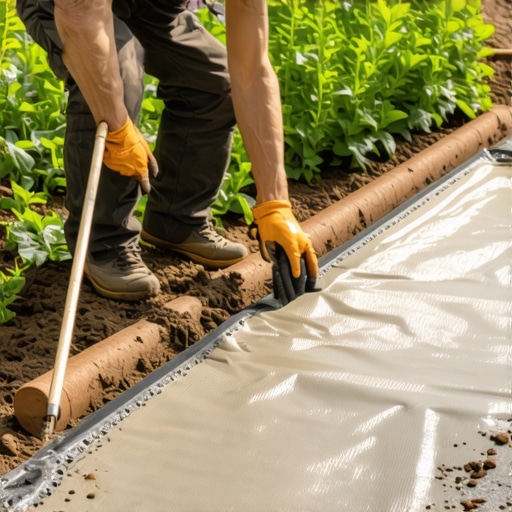
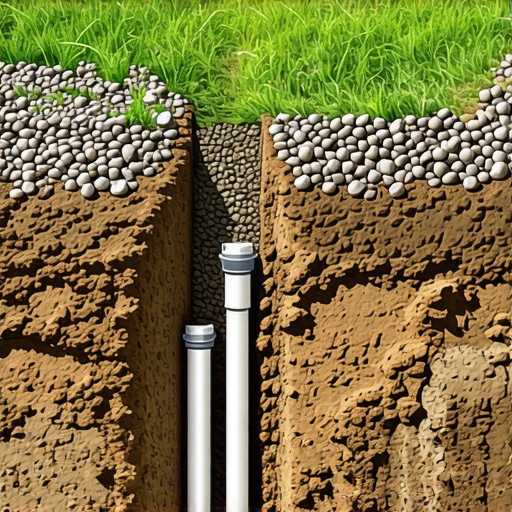
The installation process for hillside stabilization begins with site preparation that respects the existing soil pH and nutrient profile. We don’t just throw seed; we prepare a seedbed that ensures seed-to-soil contact, which is the single most important factor in germination. On slopes steeper than 3:1, you must use erosion control blankets—specifically coir or jute matting—to hold the seed in place while the roots take hold. These biodegradable fabrics provide the friction needed to slow down water until the native grasses can take over the job. Do not skip the 811 / Dig Safe call if you are installing any deep irrigation or drainage pipes; hitting a gas line will ruin your day faster than any rainstorm. Use a tackifier if you are hydro-seeding to ensure the slurry sticks to the incline.
What is the best erosion control blanket for native seed?
The best erosion control blanket for native seed is woven coir (coconut fiber) with an open weave, as it lasts 3-5 years and allows native grass plugs to grow through. Unlike straw blankets with plastic netting, coir provides high tensile strength and does not trap small animals or interfere with landscaping equipment once established.
The Professional Checklist for Slope Stabilization
- Calculate the Slope Gradient: Use a clinometer to determine if the incline exceeds the 2:1 limit for standard vegetation.
- Soil Testing: Check pH and NPK levels; native grasses usually prefer low-nutrient, unamended native soil over high-nitrogen fertilizers.
- Mechanical Stabilization: Install wattles or silt fences at 10-foot intervals to break the flow of water during the establishment phase.
- Species Selection: Choose a mix of rhizomatous (spreading) and bunchgrasses to ensure total ground cover.
- Irrigation Strategy: Use drip-line irrigation or low-trajectory rotors to avoid washing away the seedbed during dry spells.
“A retaining wall doesn’t fail because of the stone; it fails because of the water trapped behind it.” – Hardscape Engineering Axiom
Long-Term Maintenance: Managing the Biology
Maintenance for a native grass slope is the opposite of traditional lawn care; you must resist the urge to mow it constantly. These plants need their top-growth to photosynthesize and fuel those massive root systems. A single annual mow in late winter to remove dead biomass and encourage new basal growth is usually sufficient. Avoid pre-emergent herbicides, as they will kill your native seed before it even has a chance to germinate. If you see invasive species like Teasel or Crown Vetch moving in, use targeted spot treatments rather than broad-spectrum spraying. The goal is a self-sustaining ecosystem that manages its own nitrification and moisture retention. It won’t happen overnight, but once that root matrix is locked in, that hillside isn’t going anywhere. You’ve built a permanent solution, not a temporary patch. Forget the big-box store quick fixes. Stick to the biology, respect the physics, and let the roots do the heavy lifting.
{“@context”:”https://schema.org”,”@type”:”HowTo”,”name”:”How to Stabilize a Hillside with Native Grasses”,”step”:[{“@type”:”HowToStep”,”text”:”Conduct a soil test and calculate the slope gradient to ensure proper species selection.”},{“@type”:”HowToStep”,”text”:”Clear invasive vegetation and grade the surface to eliminate existing rills and gullies.”},{“@type”:”HowToStep”,”text”:”Apply a diverse mix of native grass seeds and install biodegradable coir blankets for immediate protection.”},{“@type”:”HowToStep”,”text”:”Secure the blankets with wooden stakes at 3-foot intervals to prevent lifting during wind or rain.”},{“@type”:”HowToStep”,”text”:”Monitor for moisture during the first 90 days, providing supplemental water only when necessary to force deep root growth.”}],”totalTime”:”P2Y”}