
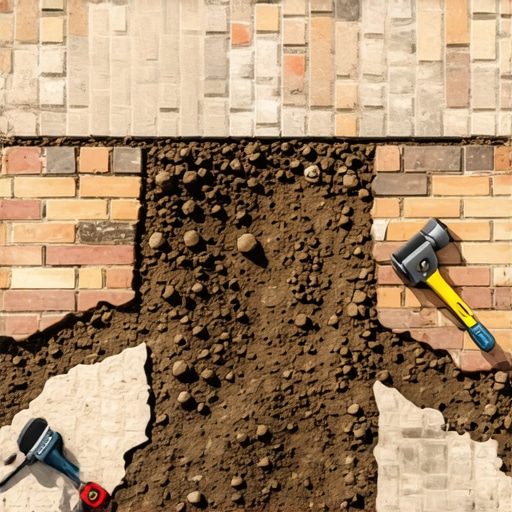
Why Your Pavers are Sinking and How to Level Them Fast
The Anatomy of a Failed Patio: Why Interlocking Concrete Pavement Settles
Sinking pavers occur primarily due to sub-base failure, inadequate compaction, and poor drainage management. When the underlying soil or gravel layers are not properly consolidated to the required 98 percent Proctor density, moisture infiltration causes the fines to migrate, leading to structural voids and uneven surfaces.
I recently got called out to tear up a $30,000 patio that was sinking because the previous contractor thought he could skip the plate compactor on every 2-inch lift. He was wrong. The whole thing looked like a topographical map of the Andes after just two winters. The pavers weren’t the problem; the four inches of uncompacted stone dust underneath them was the culprit. Stone dust holds water like a sponge, and in our freeze-thaw cycles, that water expands, heaves the stones, and then leaves empty pockets when it melts. It is a disaster waiting to happen. If you don’t fix the soil grading and the base depth first, every piece of expensive Techo-Bloc or Belgard you lay down is just high-end trash.
The Physics of the Base: Beyond the Surface
To understand why your patio is failing, you have to look at the soil mechanics. Most DIYers and low-bid contractors fail to account for hydrostatic pressure. When water gets trapped under a paver, it seeks the path of least resistance. If your base consists of
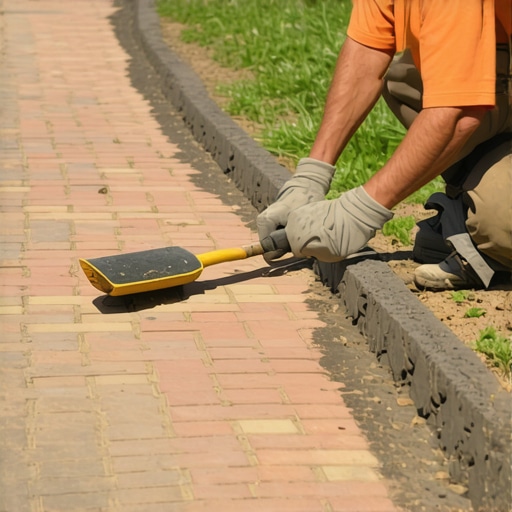
![Fixing 2026 Loose Paver Edging [Easy Fix]](https://lawnmajesty.com/wp-content/uploads/2026/09/Fixing-2026-Loose-Paver-Edging-Easy-Fix.jpeg)