Stop 2026 Lawn Grubs with This $30 Milky Spore Treatment
Stop 2026 Lawn Grubs with This $30 Milky Spore Treatment
A failing lawn isn’t an accident; it is a biological crime scene. Most homeowners see a brown patch and reach for the nearest bag of high-nitrogen synthetic fertilizer or a jug of neon-colored pesticide. This is a mistake. I recently walked a property where the homeowner had torched $400 worth of turf by applying a concentrated liquid insecticide during a 95-degree heatwave. The grass was crispier than a burnt potato chip, but when I took my shovel and peeled back a six-inch square of sod, the grubs were still there, fat and happy, wiggling in the top two inches of soil. They didn’t care about the chemicals because the soil was too compacted for the poison to reach them. That homeowner didn’t need more chemicals; he needed a biological intervention. If you want to stop the 2026 beetle emergence, you have to start the infection today.
The Forensic Autopsy of a Grub-Infested Lawn
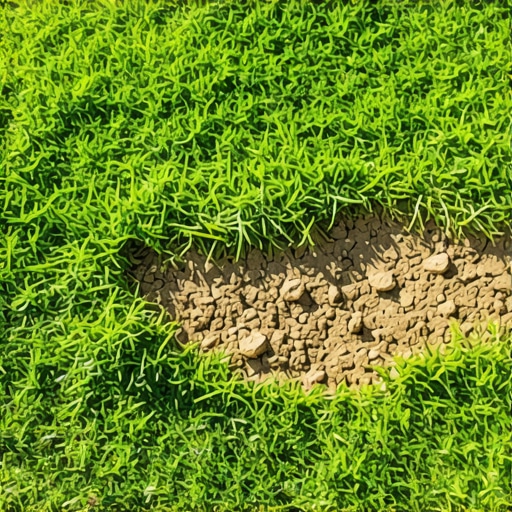
Grub damage is identified by spongy soil texture and irregular brown patches that can be pulled up like a piece of loose carpet because the root system has been completely consumed by Japanese Beetle larvae. When the root-to-soil connection is severed, the plant loses its ability to uptake water and nutrients, leading to rapid desiccation. This isn’t just a cosmetic issue; it’s a structural failure of your turf’s foundation. It will rot.
“The presence of 10 or more grubs per square foot is the threshold where significant turf damage becomes inevitable and intervention is required to maintain soil integrity.” – Penn State Department of Entomology
The standard ‘mow-and-blow’ contractor will tell you to just throw down some Dylox and call it a day. That’s a band-aid on a gunshot wound. Dylox is a 24-hour kill. It’s neurotoxic, it’s harsh, and it does nothing to prevent the next generation from moving in. If you want a permanent solution that doesn’t cost a fortune in annual chemical applications, you look toward Paenibacillus popilliae—commonly known as Milky Spore. For about $30, you can buy enough powder to treat a standard suburban lot, and unlike chemicals, this stuff actually gets stronger over time. It is a one-and-done biological weapon.
How Milky Spore Works at a Microscopic Level
Milky Spore is not a poison; it is a host-specific bacterium that targets the digestive tracts of scarab beetle larvae without harming beneficial insects or earthworms. When a grub ingest a spore while feeding on grass roots, the bacteria germinate inside the grub’s gut, multiplying by the billions until the grub’s body fluid turns a milky white color. The grub dies. As the carcass decomposes, it releases billions of new spores back into the soil matrix. This creates a self-perpetuating cycle of infection that can last for 15 to 20 years. It’s a long game. Don’t expect a green lawn tomorrow. Expect a fortress in two years.
How long does milky spore take to work?
Milky Spore requires one to three years to reach full colonization levels in the soil, depending on the grub population density and local soil temperatures. Because the bacteria need a host to multiply, a higher initial grub count actually speeds up the spread of the spore throughout your property. It’s a paradox: the worse your problem is now, the faster the cure works. Soil temperature must be at least 60°F for the bacteria to remain active and infect the larvae.
| Feature | Synthetic Insecticides | Milky Spore (Biological) |
|---|---|---|
| Cost per Year | $50 – $150 (Recurring) | $30 (One-time) |
| Target Specificity | Broad-spectrum (Kills bees/worms) | Host-specific (Grubs only) |
| Longevity | 2 – 4 weeks | 15 – 20 years |
| Environmental Impact | High runoff risk | Zero (Organic compliant) |
| Application Window | Specific life stages only | Any time soil isn’t frozen |
The Precision Application Protocol
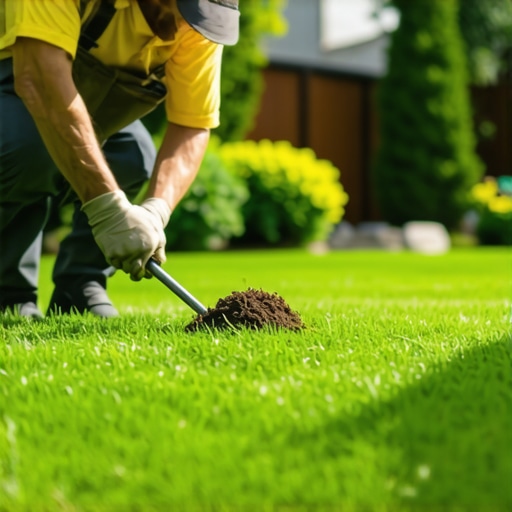
You cannot just throw Milky Spore into a broadcast spreader and hope for the best. That is how you waste $30. The powder is fine and light; a broadcast spreader will just blow it into your neighbor’s yard or up your nose. You need a grid-point application. I tell my crew: if you don’t see a pattern, you’re doing it wrong. Use a dispenser tube or a simple teaspoon to drop a small amount of powder every four feet in a checkerboard pattern. This creates ‘infection hubs’ that will eventually merge as the grubs move laterally through the soil.
- Check Soil Temperature: Do not apply if the ground is below 60°F.
- Mow Low: Cut the grass to 2 inches before application so the powder hits the dirt, not the blades.
- Light Irrigation: Use a fine mist for 15 minutes after application to settle the spores into the thatch layer. Do not flood it.
- Avoid Disturbance: Do not aerate or power-rake for at least 24 hours after application.
“Biological control agents like Milky Spore provide a sustainable alternative to organophosphates, ensuring long-term suppression of Popillia japonica populations in managed turfgrass.” – USDA Agricultural Research Service
When is the best time to apply milky spore for grubs?
The optimal window for application is late summer or early fall when the new generation of young grubs is feeding near the soil surface. This maximizes the infection rate before the larvae dive deep below the frost line for the winter. However, because the spores are incredibly resilient, you can apply them any time the ground is not frozen, provided you follow up with light watering to ensure the bacteria reaches the root zone. You aren’t just treating a lawn; you’re engineering a soil ecosystem that is hostile to pests.
Why Most DIY Grub Treatments Fail
People fail because they treat the symptom, not the soil. If your soil pH is sitting at a 5.5, your grass is already stressed, making it a buffet for grubs. If you have a massive thatch layer—that spongy mat of dead grass between the green blades and the soil—your Milky Spore will get trapped and never reach the grubs. You have to think like an engineer. Hydrostatic pressure, soil compaction, and microbial health are all connected. A lawn with 4 inches of compacted clay is a tomb for grass but a palace for grubs. Use the Milky Spore, but then get a core aerator and open up the soil. Let the spores breathe. Let the water move. Give the grass a fighting chance. It’s cheaper to do it right once than to do it wrong every year. Stop buying the marketing hype of the big-box chemical brands. Buy the biology. Your 2026 self will thank you when the neighborhood is covered in beetles and your lawn is the only thing standing.