5 Durable 2026 Groundcovers for High-Traffic Areas
The Hardscape Autopsy: Why Most High-Traffic Solutions Fail
I recently got called out to tear up a project where a homeowner tried to solve a mud problem by dumping six inches of wood chips over uncompacted clay. Within three months, the nitrogen-hungry decomposition process had turned the area into an anaerobic, acidic swamp that killed their privacy screen. They wanted a quick fix. What they got was expensive compost. Most people think high traffic means you just need a tougher plant. That is wrong. High traffic is an engineering challenge involving soil bulk density, gas exchange, and hydrostatic pressure. If your soil has the consistency of concrete, no plant, not even the hardiest groundcover, will survive because the roots cannot breathe. We had to excavate twelve inches of muck and replace it with a engineered soil media before we could even talk about biology. Don’t skip the prep.
Selecting the Top Groundcovers for 2026 High-Traffic Demands
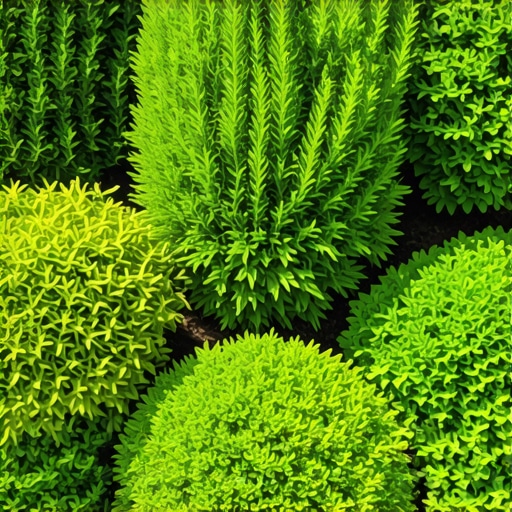
Microclover, Kurapia, and Silver Carpet represent the most durable groundcovers for 2026 due to their high traffic tolerance and ability to maintain soil stabilization under mechanical stress. These species utilize stoloniferous growth to repair damage quickly while resisting the soil compaction typical of heavy footpaths or pet areas.
When we talk about high-traffic areas, we are measuring the PSI (pounds per square inch) resistance of the plant’s cellular structure. In the landscaping industry, we see too many amateurs planting delicate creeping perennials in areas that see daily dog runs or foot traffic. The results are always the same: cellular collapse and crown rot. For 2026, we are looking at specific cultivars that have been bred for high-density growth. These plants don’t just sit on the soil; they weave a biological mat that protects the rhizosphere from the shearing forces of a walking human or a running Labrador.
“A retaining wall doesn’t fail because of the stone; it fails because of the water trapped behind it.” – Hardscape Engineering Axiom
The Physics of Soil Compaction and Root Respiration
Soil compaction in high-traffic areas increases bulk density, which reduces macropore space and limits the availability of oxygen and water to the root zone. Managing this requires mechanical aeration and the introduction of organic matter to maintain a soil structure capable of supporting microbial activity.
You have to understand the Cation Exchange Capacity (CEC) of your soil before you plant. If you are dealing with heavy clay, your compaction risk is 400 percent higher than sandy loam. In high-traffic zones, the weight of a footstep compresses the tiny air pockets between soil particles. Once those pockets are gone, the roots suffocate. I tell my crew: if you can’t push a screwdriver six inches into the ground with one hand, your plants are going to die. You need to address the sub-base. We often use a 70/30 mix of angular sand and compost to create a base that resists compaction while still providing bioavailable nutrients.
“Turfgrass and groundcovers require a bulk density below 1.6 g/cm3 to ensure root penetration and gas exchange.” – USDA NRCS Soil Mechanics Manual
[IMAGE_PLACEHOLDER]
What are the best groundcovers for dogs and heavy foot traffic?
The best options for heavy canine traffic are Microclover and Kurapia because they possess high recovery rates and deep taproots. These plants can handle the high nitrogen content in pet urine and the mechanical shearing forces of paws without developing the bare patches typical of traditional Kentucky Bluegrass or Fescue lawns.
Top 5 Durable Groundcovers for 2026
1. Microclover (Trifolium repens ‘Pipolina’): This is not your grandfather’s clover. ‘Pipolina’ is a micro-cultivar that stays low to the ground and does not clump. It is a legume, meaning it pulls nitrogen from the atmosphere and fixes it into the soil. It is essentially a self-fertilizing mat. It handles shade better than most turf and stays green during heat waves when Cool-season grasses go dormant.
2. Kurapia (Lippia nodiflora): This is the heavyweight champion of the drought-tolerant world. It is a sterile hybrid, so it won’t escape into your neighbor’s yard. Its roots can penetrate ten feet deep, searching for subsurface moisture. It creates a dense, prostrate mat that is virtually impossible to walk through. It is the go-to for utility-grade landscaping where water costs are high.
3. Silver Carpet (Dymondia margaretae): Best for Mediterranean or coastal climates. It is a slow grower but becomes incredibly dense. The leaves are green on top and silver underneath. When you walk on it, the leaves curl slightly to show the silver. It handles heavy foot traffic with ease and is highly resistant to salt spray. Use it between pavers in a hardscape design.
4. Creeping Thyme (Thymus serpyllum): Specifically the ‘Magic Carpet’ or ‘Elfin’ varieties. These are woody perennials that can take a beating. They are aromatic, which adds a sensory layer to the garden, but their real value is in their lignified stems. These stems provide a structural skeleton that prevents the plant from being crushed underfoot.
5. Ruschia Lineata ‘Nana’: A succulent groundcover that is changing the game for arid-zone landscaping. It creates a firm, carpet-like surface that stays green with almost zero irrigation. It is fire-resistant and handles high-alkalinity soils where other groundcovers would suffer from nutrient lockout.
Comparative Analysis of High-Traffic Groundcovers
| Groundcover Species | Traffic Rating (PSI) | Water Needs (In/Week) | Root Depth (Inches) | Growth Habit |
|---|---|---|---|---|
| Microclover | High | 0.75 | 12-18 | Stoloniferous |
| Kurapia | Extreme | 0.25 | 60-120 | Prostrate Mat |
| Dymondia | Medium-High | 0.50 | 8-12 | Tight Clump |
| Creeping Thyme | Medium | 0.50 | 6-10 | Woody Creeping |
| Ruschia Nana | High | 0.10 | 15-20 | Succulent Mat |
How much modified gravel do I need for a patio base?
For a standard pedestrian paver patio, you need a minimum of four inches of compacted 21A or QA modified gravel. For high-traffic or vehicular areas, this depth must increase to six or eight inches. Proper compaction is achieved in two-inch lifts using a vibratory plate compactor to ensure the base reaches 98 percent Proctor density.
Ground-Up Installation Checklist
- Soil Testing: Perform a saturated paste test to determine pH, CEC, and salt levels.
- Grading: Ensure a 2 percent slope away from all structural foundations to prevent hydrostatic pressure buildup.
- Aeration: Use a core aerator to pull 3-inch plugs if bulk density exceeds 1.5 g/cm3.
- Irrigation Check: Install a drip-line system or verify head-to-head coverage for overhead sprinklers.
- Amendments: Top-dress with 1/4 inch of worm castings or high-quality leaf mold to jumpstart the soil food web.
Year-One Maintenance: The Settling-In Period
The first 365 days are critical. Even the most durable groundcover is vulnerable during the establishment phase. You need to keep the root zone consistently moist for the first three weeks. Do not let the soil dry out and crack. After the first month, transition to deep, infrequent watering. This forces the roots to chase the moisture down into the soil profile. If you water every day for five minutes, you are training your plants to be weak. Weak roots mean dead plants. In year one, avoid heavy traffic for the first 90 days. Let the stolon network weave together. Once it is established, you can treat it like a gym floor. But until then, stay off the grass. It will rot if you compress the young crowns before they have developed structural cellulose. This isn’t just gardening; it is biological engineering. Build the base, select the right genetics, and the system will take care of itself. Skip the prep, and you are just throwing money into a hole.
![4 Shade-Tolerant Groundcovers for 2026 Clay Soil [No Grass]](https://lawnmajesty.com/wp-content/uploads/2026/05/4-Shade-Tolerant-Groundcovers-for-2026-Clay-Soil-No-Grass.jpeg)