The Secret to Keeping White Hydrangeas from Turning Brown
The Forensic Autopsy of a Scorched Hydrangea
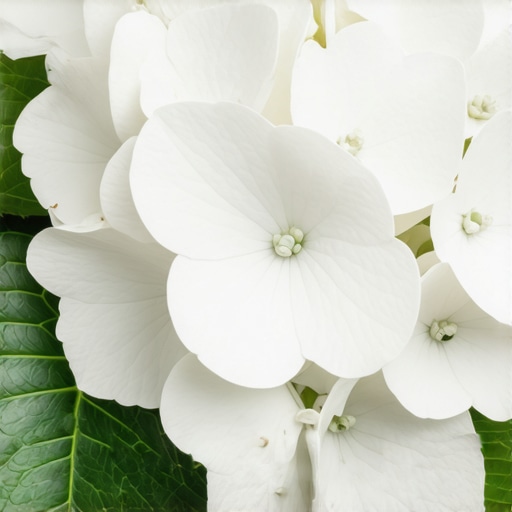
White hydrangea browning is a physiological response to transpiration stress, solar radiation, and hydrostatic imbalances within the plant’s vascular system. Preventing petal necrosis requires managing soil moisture levels, maintaining a neutral pH, and mitigating thermal heat gain from adjacent hardscapes like concrete patios. When you see those edges curling into a brittle, rust-colored mess, you aren’t looking at a ‘natural transition’; you are looking at cellular collapse. I always drill into my new crew members: if you don’t fix the soil grading and hydrological path first, every plant you put in the ground is just expensive compost. I remember a job in a high-wind corridor where a client insisted on ‘Annabelle’ hydrangeas right against a south-facing white stucco wall. Within three weeks, the blooms looked like burnt parchment. They blamed the nursery stock. I showed them the soil thermometer—the root zone was hitting 95 degrees by 2:00 PM because of the reflected heat. We had to excavate the entire bed, install a 4-inch deep drainage layer of modified gravel to break the clay capillary action, and reset the grade. If you ignore the physics of the site, you lose the plant. Every single time.
Why are my white hydrangea flowers turning brown so fast?
The primary culprit is usually a high Vapor Pressure Deficit (VPD). When the air is too dry and hot, the plant loses water through its stomata faster than the xylem can pull it from the roots. In white cultivars, which lack the protective anthocyanins of blue or pink varieties, the petals are essentially thin layers of water-filled cells. When those cells dehydrate, the ‘albedo’ or reflectivity of the white petal fails, and the sun literally cooks the tissue. We are talking about microscopic structural failure. You need to measure your soil moisture with a tensiometer, not your finger. Aim for 20-30 centibars of tension. Anything higher and the plant is fighting for every drop.
“Moisture stress is the leading cause of premature flower senescence in Hydrangea macrophylla. Without consistent soil moisture, the plant’s vascular system cannot maintain the turgor pressure required to keep bracts turgid and reflective.” – Texas A&M AgriLife Extension
The Engineering of Soil and Drainage
Most homeowners think ‘lawn care’ is just about the grass, but the landscaping ecosystem depends on how your lawn’s grade affects the flower beds. If your lawn is graded toward your hydrangeas, you’re drowning them in anaerobic sludge. If it’s graded away too sharply, they’re parched. You need a 2% slope away from the root flare. When we talk about hardscaping, we consider the thermal mass of pavers. A stone patio acts as a heat sink, radiating 120-degree heat long after the sun goes down. This ‘nighttime baking’ prevents the hydrangea from recovering its moisture levels during the cooling period. Stop planting white hydrangeas within 3 feet of dark-colored pavers or concrete. You are creating a convection oven.
| Hydrangea Type | Sun Tolerance (Hours) | Critical Soil Temp | Recommended Mulch Depth |
|---|---|---|---|
| H. arborescens (Annabelle) | 2-4 (Morning Only) | 75°F | 3-4 Inches |
| H. paniculata (Limelight) | 6-8 | 82°F | 2-3 Inches |
| H. macrophylla (White Wedding) | 3-5 | 78°F | 3 Inches |
How often should I water white hydrangeas to prevent wilting?
Forget the ‘every day’ rule. That’s for amateurs. You need deep, infrequent irrigation that reaches the bottom of the root ball, typically 12-18 inches deep. Use a drip irrigation system with 0.9 GPH (gallons per hour) emitters spaced every 12 inches. This ensures the soil microbiology remains active without creating the humid microclimate that favors Botrytis cinerea or Cercospora leaf spot. Overhead watering is a death sentence for white blooms. Water on the petals acts like a magnifying glass for UV rays, leading to focalized scorching. Furthermore, stagnant water in the flower head invites fungal pathogens that turn white petals into a mushy brown mess. Fix your garden design by placing these plants in the ‘shadow footprint’ of the house by 1:00 PM.
“High soil temperatures can inhibit nutrient uptake even when moisture is present. Mulching to a depth of 3 inches with organic matter is critical for maintaining a stable rhizosphere.” – Penn State Extension
The Five-Step Anti-Browning Protocol
- Soil pH Calibration: Maintain a pH between 6.0 and 7.0. While white hydrangeas don’t change color like blue ones, extreme acidity or alkalinity prevents the uptake of phosphorus, which is vital for bloom health.
- Root Flare Visibility: Never bury the crown. If you see a ‘mulch volcano’ against the stems, pull it back. A buried crown suffocates the plant and leads to root rot.
- Mycorrhizal Inoculation: Add beneficial fungi during planting to increase root surface area by up to 1,000%. This is the secret to drought resistance.
- Potassium Loading: Use a fertilizer with a high ‘K’ value (the third number on the bag) in early spring. Potassium regulates the opening and closing of stomata, helping the plant manage its internal water pressure.
- Strategic Deadheading: Once a bloom is 50% brown, cut it back to the first set of healthy leaves. This stops the plant from wasting energy on a dying reproductive structure.
The Interaction Between Lawn Fertilizer and Shrub Health
I see this constantly: a homeowner uses a high-nitrogen ‘weed and feed’ on their lawn, and the runoff hits the hydrangea bed. Excessive nitrogen (the ‘N’ in NPK) forces rapid, weak vegetative growth. These ‘succulent’ stems and leaves are the first to wilt because they lack the structural lignin to withstand heat. If you want white hydrangeas that stay white, you have to be surgical with your lawn care. Use a drop spreader, not a broadcast spreader, near your ornamental beds. Keep that high-nitrogen salt away from the sensitive root systems of your shrubs. It will rot them from the inside out. Real landscaping is about managing the transition zones between the turf and the timber.
How do you revive a sun-scorched hydrangea?
If the damage is done, don’t panic and drown the plant. First, check the stems. If the stems are firm, the plant is alive. Prune away the brown blooms—they aren’t coming back. Apply a 1-inch layer of fresh compost followed by 3 inches of cedar mulch to insulate the roots. Then, implement a deep-soak watering schedule twice a week at dawn. Do not fertilize a stressed plant. You wouldn’t give a marathon runner a steak dinner while they’re mid-collapse; don’t give a heat-stroked plant nitrogen. Let it stabilize. It’s a biology problem, not a chemical one. Fix the environment, and the plant will fix itself. Just keep the mower away from the root zone—mechanical damage to the base of the plant is a one-way ticket to a dead shrub. Use a clean edge, preferably a hand-cut spade edge, to define your beds. It looks better and it’s safer for the biology. No shortcuts.
![4 Fire-Safe 2026 Shrubs for High-Heat Zones [Zone 9]](https://lawnmajesty.com/wp-content/uploads/2026/06/4-Fire-Safe-2026-Shrubs-for-High-Heat-Zones-Zone-9.jpeg)