Stop 2026 Leaf Curl: 3 Fast Fruit Tree Fixes
Stop 2026 Leaf Curl: 3 Fast Fruit Tree Fixes
Leaf curl is a debilitating fungal infection that compromises the photosynthetic capacity of stone fruits, leading to premature leaf drop and reduced crop yields. To stop 2026 leaf curl, you must apply copper-based fungicides during the dormant season before bud swell, ensure the root flare is not buried to prevent secondary stress, and optimize nitrogen-heavy fertilization only after the primary infection window has passed. If you see the blistered, red distortions on your peach or nectarine trees, the infection happened months ago. You are not just looking at a sick leaf; you are looking at a management failure from the previous winter. My job is to ensure you do not repeat that failure in the 2026 growing season.
The Anatomy of a Dying Orchard: A Forensic Autopsy
I always drill into my new crew members: if you don’t fix the soil grading first, every plant you put in the ground is just expensive compost. I remember a job in late 2023 where a client had spent thousands on high-end orchard stock, only to have 40 percent of the trees show severe Taphrina deformans symptoms by spring. They blamed the nursery. I took one look at the base of the trees and saw the problem. The previous contractor had buried the root flares 6 inches deep to make the mulch beds look flat. Those trees were suffocating, and the stress signaled every fungal spore in the county to move in. We had to excavate the root collars with an air spade just to give the cambium a chance to breathe. This is technical wisdom: a tree is a pump, and if you clog the intake, the whole system collapses.
“A fruit tree’s resilience to fungal pathogens is directly proportional to the gas exchange efficiency at the root-soil interface.” – Texas A&M AgriLife Extension
Fix #1: The Dormant Copper Protocol
The first fast fix for 2026 leaf curl is the application of a fixed copper fungicide or lime sulfur during the true dormant period. The fungal spores of Taphrina deformans overwinter in the bark crevices and around the bud scales; once the buds break, the infection is locked in and cannot be cured. You need to hit them when the tree is asleep. This isn’t a light misting. You need 300 PSI of pressure to drive that copper into every microscopic fissure in the bark. We use a metallic copper equivalent (MCE) calculation to ensure we are actually killing spores and not just painting the tree blue. If you miss the window between leaf drop and bud swell, you’ve lost the year. There are no do-overs in arboriculture.
How much copper spray do I need for fruit trees?
For a standard semi-dwarf peach tree, you typically need 1.5 to 2 gallons of mixed solution to achieve total saturation and runoff. Focus specifically on the terminal buds and the undersides of the primary scaffold branches where spores accumulate. I tell my guys to spray until the tree is dripping. If it is not dripping, you didn’t do the job. We use a 50 percent fixed copper powder mixed with a spreader-sticker to ensure the treatment survives the winter rains. Without a surfactant, your $80 bottle of fungicide is just washing into the groundwater.
| Treatment Type | Application Window | Primary Target | Effectiveness |
|---|---|---|---|
| Fixed Copper | Late Fall / Mid Winter | Overwintering Spores | 95% |
| Lime Sulfur | Late Winter (Pre-Bud) | Spores and Scale | 90% |
| Nitrogen Boost | Post-Harvest | Tree Vigor | Indirect |
Fix #2: Mechanical Stress Reduction and Root Flare Excavation
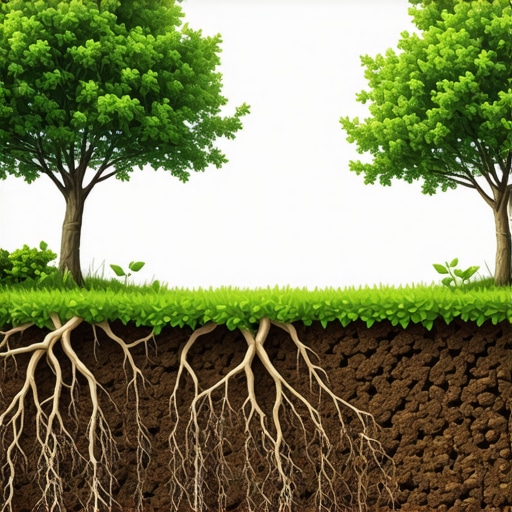
The second fast fix involves the mechanical excavation of the root flare to reduce hydrostatic stress on the tree’s vascular system. When a tree is planted too deep, the bark at the base stays constantly moist, inviting rot and lowering the tree’s immune response to leaf curl. You need to see the buttress roots. If your tree looks like a telephone pole sticking out of the ground, it is buried too deep. We use hand trowels or compressed air to remove the excess soil until the flare is visible. This allows for proper gas exchange and keeps the bark dry. It is a simple engineering fix that prevents a biological disaster.
“Pathogens like Taphrina deformans exploit weakened host defenses often caused by abiotic stressors such as poor soil aeration or improper planting depth.” – Penn State Department of Plant Pathology
How deep should you plant a fruit tree?
A fruit tree must be planted so the graft union is 2 to 4 inches above the soil line and the root flare is exactly at the finished grade. Never follow the soil line in the nursery pot; those are often buried too deep by machines. Measure the root system from the top flare root to the bottom, and dig your hole no deeper than that measurement. Compaction at the bottom of the hole is actually a good thing; it prevents the tree from settling and sinking over time. We use a hand tamper to firm the base before the tree even touches the dirt.
Fix #3: High-Calibrated Pruning and Spore Load Reduction
The third fast fix is the aggressive removal of infected wood and the thinning of the canopy to increase airflow. Fungal spores thrive in stagnant, humid environments. By pruning the center of the tree to an ‘open center’ or ‘vase’ shape, you allow sunlight and wind to dry the leaves faster. This reduces the time spores have to germinate. Every cut must be a clean, 45-degree angle just outside the branch collar. Do not leave stubs. Stubs are just entry points for wood rot and more fungus. We sterilize our shears with 70 percent isopropyl alcohol between every single tree. If you don’t sterilize, you are just a high-speed vector for disease.
Fruit Tree Maintenance Checklist
- Clean all fallen leaves and mummified fruit from the orchard floor to remove spore sources.
- Apply 2 to 3 inches of wood chip mulch, keeping it 6 inches away from the trunk.
- Test soil pH; maintain a range of 6.0 to 7.0 for optimal nutrient uptake.
- Prune out any wood showing “cankers” or oozing sap immediately.
- Calibrate irrigation to avoid wetting the foliage; use drip lines instead.
The 2026 Prevention Roadmap
Stop thinking about 2026 in 2026. You start now. The physics of a healthy orchard depend on the soil chemistry and the structural integrity of the trees. High-nitrogen fertilizers should be avoided in late summer as they produce succulent, soft growth that is highly susceptible to fungal attack. Instead, focus on micronutrients like zinc and boron which strengthen the cell walls of the leaves. If you follow these three fixes copper, excavation, and pruning you aren’t just treating a symptom; you are rebuilding a biological system. Don’t be the homeowner who buys a new tree every three years because they couldn’t be bothered to pick up a sprayer in February. Get the work done. The trees don’t care about your schedule.