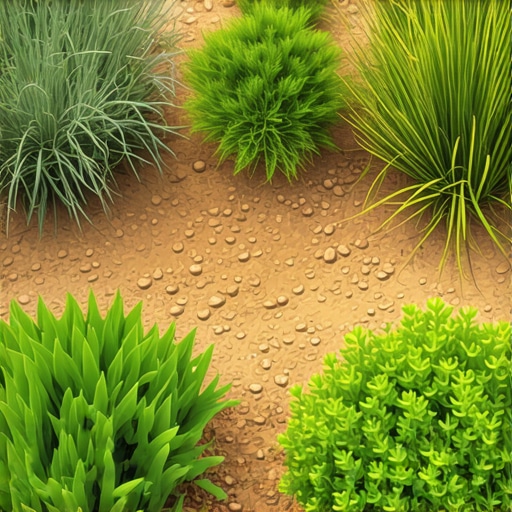
5 Drought-Proof 2026 Groundcovers for Full Sun Yards
The Engineering of a Resilient Landscape
Drought-proof groundcovers are low-growing plant species engineered by nature to survive extreme evapotranspiration rates while maintaining soil stability and aesthetic coverage in full sun environments. These plants replace traditional high-maintenance turf, utilizing deep taproots or succulent water storage to thrive in USDA hardiness zones 4 through 10 with minimal irrigation.
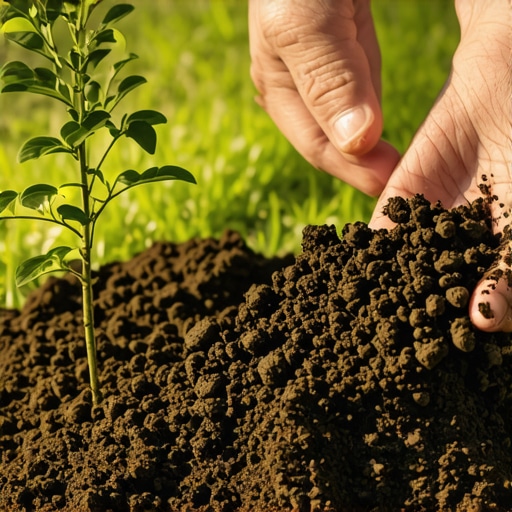
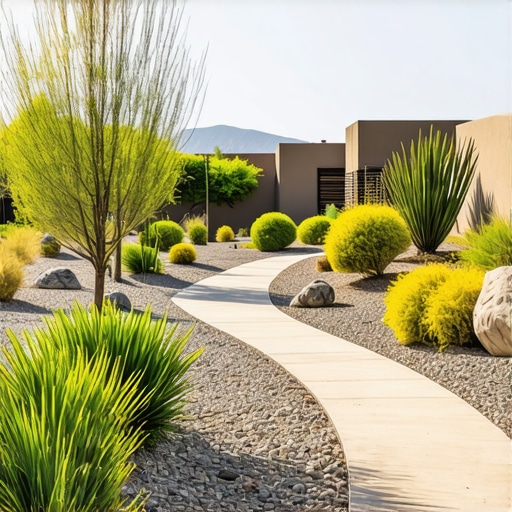
I always drill into my new crew members: if you don’t fix the soil grading first, every plant you put in the ground is just expensive compost. I have seen countless $50,000 garden design projects fail within 18 months because the contractor ignored the bulk density of the soil. In my 20 years of landscaping, the most common mistake is planting high-density groundcovers into compacted clay. Without macropores for oxygen exchange, the roots suffocate. You cannot simply sprinkle seeds and hope for the best. You are building a biological engine. If the fuel (soil) is contaminated or the exhaust (drainage) is clogged, the engine seizes. We are moving into 2026 with a focus on xeriscaping and hardscaping synergy. This means selecting plants that can handle the hydrostatic pressure of nearby retaining walls and the reflected heat from paver stones. [IMAGE_PLACEHOLDER]
“A retaining wall doesn’t fail because of the stone; it fails because of the water trapped behind it.” – Hardscape Engineering Axiom
Understanding Xeric Root Architecture
The success of drought-tolerant plants depends on root architecture, specifically the plant’s ability to access the hygroscopic water bound to soil particles during periods of zero precipitation. Unlike Kentucky Bluegrass, which has a shallow, lazy root system, professional-grade groundcovers for 2026 are selected for their osmotic potential. They literally pull water out of the dirt when other plants have long since wilted. We measure this in megapascals (MPa) of leaf water potential. If you want a yard that doesn’t die when the municipal water ban hits, you need plants that operate at a lower water potential than the surrounding soil.
1. Kurapia (Phyla nodiflora)
Kurapia is a sterile, highly-engineered hybrid groundcover that establishes a prostrate growth habit, reaching depths of up to 10 feet with its root system to ensure survival in full sun and heat. It is the gold standard for lawn care alternatives. It handles foot traffic better than almost any other non-turf option. It doesn’t produce seeds, so it won’t become an invasive weed in your neighbor’s yard. I use it on slopes where erosion control is a priority. It establishes a dense mat that prevents weed germination by sheer competitive exclusion. It requires 60% less water than traditional tall fescue. Don’t skip the initial phosphorus boost during the first 14 days of plug establishment. It needs that energy for root branching.
2. Silver Carpet (Dymondia margaretae)
Dymondia margaretae is a slow-growing, salt-tolerant groundcover that features variegated silver-green foliage, providing a high-albedo surface that reflects solar radiation and keeps the soil temperature lower than dark green turf. It is perfect for garden design patterns between flagstones. The roots are exceptionally tough. I’ve seen this stuff grow in sandy loam with almost zero organic matter. It’s a calciphile, meaning it loves a slightly higher soil pH. If your soil is acidic, hit it with dolomitic lime before installation. It will rot in standing water. If your hardscaping doesn’t have a 1% grade for drainage, Dymondia is a death sentence. It needs to breathe. Keep it dry.
3. Creeping Thyme (Thymus serpyllum)
Creeping Thyme is a woody perennial groundcover that thrives in poor, rocky soils and produces volatile oils that act as a natural deterrent for many common garden pests while providing full sun resilience. This is not the stuff in your spice rack. This is a rugged, low-profile plant that can handle a pH range of 6.5 to 8.5. It thrives on neglect. In fact, if you over-fertilize thyme with high-nitrogen salts, you’ll kill it. It makes the plant grow too fast, resulting in weak cell walls that are susceptible to fungal pathogens. It needs crushed stone or decomposed granite in the planting hole to ensure hydraulic conductivity remains high. It’s about drainage, not nutrients.
4. Dragon’s Blood Stonecrop (Sedum spurium)
Sedum spurium is a succulent groundcover that utilizes Crassulacean Acid Metabolism (CAM) to fix carbon dioxide at night, allowing it to keep its stomata closed during the heat of the day to prevent transpirational water loss. This is biological engineering at its finest. It can survive months without a drop of rain. In hardscaping applications, I use this for green roofs or narrow strips between concrete driveways where the thermal mass of the concrete would cook any other plant. The ‘Dragon’s Blood’ variety turns a deep bronze-red in the winter, providing winter interest without requiring extra maintenance. It’s nearly indestructible unless you plant it in a swamp. Soil saturation is its only enemy.
5. Hardy Ice Plant (Delosperma)
Delosperma is a genus of succulent perennials from South Africa that features cylindrical leaf morphology and a waxy cuticle to minimize surface area exposed to the sun, ensuring survival in arid climates. These plants are built for the 2026 climate reality. They offer a burst of color in mid-summer when everything else is turning brown. We often use them in rock gardens or to cover riprap on steep embankments. They are halophytes, meaning they can tolerate higher salt concentrations, making them ideal for yards near salted winter roads. Do not use wood mulch around these; use pea gravel. Wood mulch holds too much moisture against the crown, leading to crown rot. Gravel reflects heat and keeps the base dry.
“Plants don’t die from lack of water as often as they die from the inability to move nutrients due to collapsed soil structure.” – Agronomy Field Manual
Technical Comparison of 2026 Xeric Groundcovers
| Plant Species | Traffic Tolerance | Water Requirement | USDA Zones | Soil pH Preference |
|---|---|---|---|---|
| Kurapia | High | Very Low | 7-11 | 6.0 – 8.5 |
| Dymondia | Medium | Low | 9-11 | 6.5 – 8.0 |
| Creeping Thyme | Medium-Low | Low | 4-9 | 6.5 – 8.5 |
| Sedum Spurium | Low | Very Low | 3-9 | 5.5 – 7.5 |
| Delosperma | Low | Very Low | 5-10 | 6.0 – 8.0 |
How much water do drought-proof plants really need?
While the internet tells you to water every day, drought-proof groundcovers actually need deep, infrequent watering—exactly 1 inch per week during the establishment phase—to force roots to chase the water down into the subsoil. Once established, most of these species can survive on ambient rainfall or a single deep soak once every 14 to 21 days during the peak of summer. Over-watering is the fastest way to invite Pythium root rot.
What is the best soil for full sun groundcovers?
The best soil for full sun groundcovers is a sandy loam with at least 20% porosity to ensure rapid drainage. If you have heavy clay, you must amend it with expanded shale or coarse sand. Avoid using cheap bagged potting soil that contains high amounts of peat moss, as it becomes hydrophobic when dry and will actually repel the water you try to give your plants. Stick to mineral-heavy mixes for xeric species.
Groundcover Installation Checklist
- Test Soil pH: Ensure the acidity or alkalinity matches your species (e.g., 6.5-7.5 for most).
- Kill Existing Turf: Use a sod cutter or 10% vinegar solution to remove competition.
- Grade for Drainage: Ensure a minimum 2% slope away from any hardscaping structures.
- Amend with Mycorrhizae: Add beneficial fungi to the planting hole to extend the root’s reach.
- Space According to Growth: Do not crowd plants; let the prostrate stems fill in naturally.
- Initial Irrigation: Water daily for the first 10 days, then taper off aggressively.
Landscape success isn’t about the day you plant; it’s about the second year when the root system has fully integrated with the soil microbiome. Don’t be the homeowner who buys ‘drought-proof’ plants and then drowns them. Trust the biology. These species have survived for millennia in the harshest high-UV environments on Earth. They don’t need your help; they just need you to get out of their way. It will grow. Just don’t skip the prep.