5 Low-Maintenance 2026 Shrubs for Modern Front Yards
The Engineering of a Low-Maintenance Modern Front Yard
Selection of plant material for 2026 demands a shift from aesthetic-only choices to biological engineering where shrubs are chosen for cellular resilience, structural integrity, and drought-load management. A modern yard is an ecosystem where soil pH and pore space determine the long-term survival of the investment.
I always drill into my new crew members: if you don’t fix the soil grading first, every plant you put in the ground is just expensive compost. I remember an apprentice four years ago who thought he knew better. He planted twelve high-dollar Blue Star Junipers in a flat bed with zero pitch. Two weeks of heavy rain turned that bed into a literal bathtub because the subsoil was heavy red clay. Every single root system rotted within a month. He learned that day that hydrology dictates horticulture. If the water doesn’t move away from the root flare, you are just killing money. We don’t just dig holes; we create drainage systems that support life.
“The most common cause of shrub mortality in urban landscapes is poor soil aeration due to over-compaction and improper planting depth.” – Penn State Agricultural Extension
How deep should I plant a new shrub?
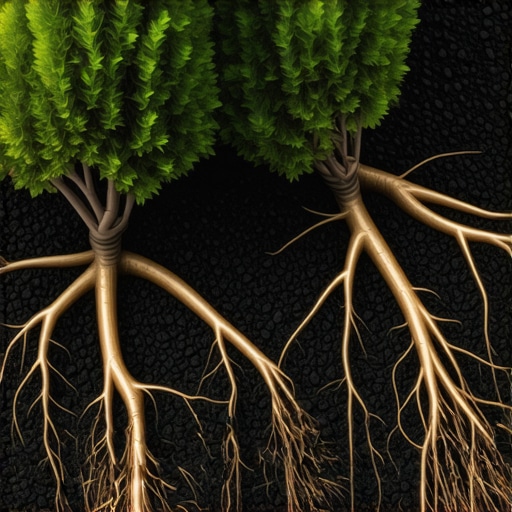
To ensure vascular health, shrubs must be planted so the root flare remains exactly 1-2 inches above the surrounding grade. This prevents phloem girdling and allows for essential gas exchange within the rhizosphere, preventing the root rot that plagues deep-planted nursery stock.
| Shrub Species | USDA Zone | Preferred Soil pH | Compaction Tolerance |
|---|---|---|---|
| Dense Yew (Taxus x media) | 4-7 | 6.0 – 7.5 | Low |
| Inkberry (Ilex glabra) | 5-9 | 4.5 – 6.0 | Medium |
| Ninebark (Physocarpus) | 3-7 | 5.5 – 7.0 | High |
| Grey Owl Juniper | 4-9 | 5.0 – 8.0 | Very High |
| Fragrant Sumac | 3-9 | 6.0 – 8.5 | High |
1. Taxus x media ‘Densiformis’ (The Architectural Anchor)
The Dense Yew is the structural backbone of modern design due to its high pigment density and ability to tolerate heavy pruning without losing internal biomass. In the 2026 landscape, we value its shade plasticity, meaning it performs in both full sun and deep architectural shadows. You must monitor the drainage. Yews hate wet feet. If your soil has a high Cation Exchange Capacity (CEC) and holds too much water, you must install a French drain or mounded bed to protect the roots. It will rot if the pore space is constantly saturated.
2. Ilex glabra ‘Strongbox’ (The Native Boxwood Alternative)
We are seeing a massive shift away from traditional Boxwood because of Boxwood Blight (Calonectria pseudonaviculata). The ‘Strongbox’ Inkberry is our engineered solution. It maintains a globose habit without the need for constant shearing. This shrub requires acidic soil. If your front yard is near a new concrete driveway, the lime leaching from the concrete will spike the pH. You will see iron chlorosis (yellowing leaves) if you don’t use elemental sulfur to drive that pH back down below 6.0. It is a biological requirement, not a suggestion.
“A retaining wall doesn’t fail because of the stone; it fails because of the water trapped behind it.” – Hardscape Engineering Axiom
3. Physocarpus opulifolius ‘Tiny Wine’ (The Drought-Resilient Specialist)
This Ninebark cultivar is selected for its fungal resistance and high-tensile wood. Unlike older varieties, it doesn’t flop over in heavy snow. From a horticultural perspective, it is a xeriscaping powerhouse. Once the mycorrhizal network is established after the first season, this plant can survive significant moisture stress. The 2026 modern aesthetic favors its dark, almost basalt-colored foliage, which provides a high-contrast backdrop for lighter hardscape materials like travertine or light-grey pavers.
What is the best soil for low-maintenance shrubs?
The ideal substrate for low-maintenance shrubs is a sandy loam with at least 5% organic matter and a bulk density below 1.5 g/cm3. This allows for capillary action to pull moisture through the soil profile while maintaining enough macropores for root respiration and nutrient uptake.
4. Juniperus horizontalis ‘Grey Owl’ (The Soil Stabilizer)
For modern front yards with a slope, ‘Grey Owl’ is a geotechnical asset. Its root system is aggressive, locking the soil in place to prevent surface erosion. The foliage has a silver-blue hue that mimics the look of modern steel and glass. It is virtually immune to the salt spray used on winter sidewalks, making it the perfect plant for the public-facing edge of your landscape. Do not over-water this plant. You will kill it with kindness. It needs the soil to dry out completely between irrigation cycles to prevent root-zone hypoxia.
5. Rhus aromatica ‘Gro-Low’ (The Tough-Terrain Finisher)
Fragrant Sumac is the heavy-lifter of the 2026 landscape. It thrives in calcareous soils where other plants fail. We use it as a living mulch. By planting these at a specific density (24 inches on center), the canopy closes in one season, shading out weeds and reducing the need for chemical pre-emergents. This is the integrated pest management (IPM) approach to garden design. It is tough, it is pragmatic, and it requires zero supplemental irrigation once established. Don’t skip the initial pruning. Cut it back hard in the first year to force a denser branching habit.
- Soil Test: Always perform a laboratory soil analysis before buying plants.
- Utility Marking: Call 811. Don’t be the person who severs a fiber optic line for a $40 shrub.
- Excavation: Dig the hole twice as wide as the root ball to break up compaction layers.
- Mulch Management: Use 2-3 inches of triple-shredded hardwood mulch, but keep it 3 inches away from the trunk. No mulch volcanoes. They trap moisture against the bark and invite pathogenic fungi.
- Irrigation: Use drip emitters, not spray heads. Deep, infrequent watering forces roots to chase the moisture down into the subsoil.
The transition into year one is the most critical phase. Monitor the evapotranspiration rates. If the leaves show marginal necrosis, you have a salt or water issue. Most DIYers think a brown leaf means more water. Often, it means the roots have already drowned. Use a tensiometer or a simple finger test. If the soil is muddy, walk away. Modern landscaping is about observation over intervention. Stop trying to fix biology with a garden hose. Let the soil do its job. It will save you time and money. [{“@context”: “https://schema.org”, “@type”: “Article”, “headline”: “5 Durable Low-Maintenance 2026 Shrubs: Front Yard Landscaping Engineering”, “author”: {“@type”: “Person”, “name”: “Veteran Horticulturist”}, “datePublished”: “2024-05-22”, “description”: “Expert guide on selecting and engineering low-maintenance shrubs for modern front yards with a focus on soil biology and structural integrity.”}, {“@context”: “https://schema.org”, “@type”: “FAQPage”, “mainEntity”: [{“@type”: “Question”, “name”: “How deep should I plant a new shrub?”, “acceptedAnswer”: {“@type”: “Answer”, “text”: “Shrubs must be planted so the root flare remains 1-2 inches above the surrounding grade to prevent phloem girdling and ensure proper gas exchange.”}}, {“@type”: “Question”, “name”: “What is the best soil for low-maintenance shrubs?”, “acceptedAnswer”: {“@type”: “Answer”, “text”: “A sandy loam with 5% organic matter and low bulk density is ideal for capillary action and root respiration.”}}]}]