Stop 2026 Mosquito Breeding in Backyard Ponds
Stop 2026 Mosquito Breeding in Backyard Ponds: Engineering The Kill Zone
I recently got called out to tear up a $30,000 patio and pond combo that was sinking into a localized swamp because the previous contractor failed to understand basic hydrostatic pressure and subsurface drainage. The homeowner was ready to fill the whole thing with concrete because, by June, the backyard had become a breeding ground for every mosquito in the tri-state area. It was a failure of engineering, not just aesthetics. The pond was essentially a massive petri dish for Culex larvae because the circulation was dead and the grading was pushing runoff back into the basin. This isn’t just about ‘garden design’; it’s about fluid dynamics and biological control.
Why Backyard Ponds Become Mosquito Breeding Grounds
To stop mosquito breeding in backyard ponds, you must eliminate stagnant surface tension and maintain dissolved oxygen levels above 6 mg/L through proper aeration and biological filtration. Mosquito larvae, known as wrigglers, require a still water surface to breathe; any consistent turbulence or hydraulic flow disrupts their life cycle and prevents maturation.
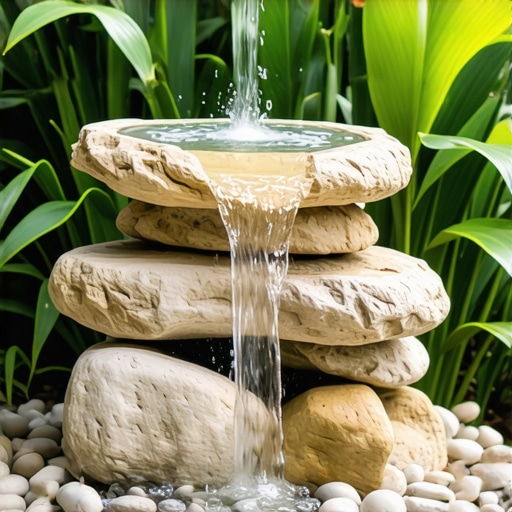
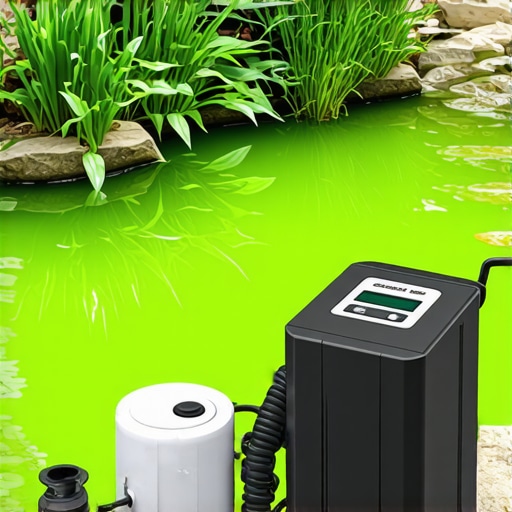
The issue usually starts at the base layer. If your pond lacks a sufficient GPH (Gallons Per Hour) turnover rate, you’re not running a feature; you’re running a stagnant pool. Most ‘mow-and-blow’ guys will tell you to just toss in some chemicals. That’s garbage. You need a pump that can turn over the entire volume of the pond at least twice every hour. If you have 1,000 gallons of water, you need a 2,000 GPH pump at the specific head height of your feature. Anything less is an invitation for infestation. It will rot.
“Standing water is the primary requirement for mosquito oviposition; however, the presence of organic debris and the absence of predatory species are what allow populations to reach nuisance levels.” – Penn State Department of Entomology
How much water flow do I need for a mosquito-free pond?
For effective mosquito control in backyard ponds, you must calculate the head pressure of your pump to ensure a minimum of 2.0x total volume turnover per hour. A centrifugal pump rated for 3,000 GPH at zero feet will drop significantly in performance if it has to push water up a five-foot hardscape waterfall.
The Biological Lifecycle: Beyond the Surface
Mosquitoes are opportunistic. They look for high-tannin, low-oxygen environments where predators can’t survive. In a poorly designed pond, the bottom becomes anaerobic. That black muck at the bottom? That’s the nursery. You need a bottom-fed aeration system or a properly sized skimmer to keep that water moving from the floor to the surface. Don’t skip this.
| Feature Component | Mosquito Impact | Technical Requirement |
|---|---|---|
| Submersible Pump | Eliminates stagnation | 2x Total Volume Turnover/Hr |
| Aeration Stone | Increases Dissolved Oxygen | Min 6.0 mg/L DO |
| Biological Filter | Removes organic load | Sized for 150% of pond volume |
| Skimmer Box | Removes surface debris | Continuous surface tension break |
While the internet tells you to water every day or add fresh water to keep things clean, the reality is that ‘new’ water often lacks the established bacterial colonies needed to break down organic matter. You need to foster a nitrogen cycle. Nitrosomonas and Nitrobacter bacteria are your friends. They eat the ammonia and nitrites that mosquitoes thrive on. If your pond smells like a swamp, your nitrogen cycle is broken.
The Hardscape Solution: Grading and Drainage
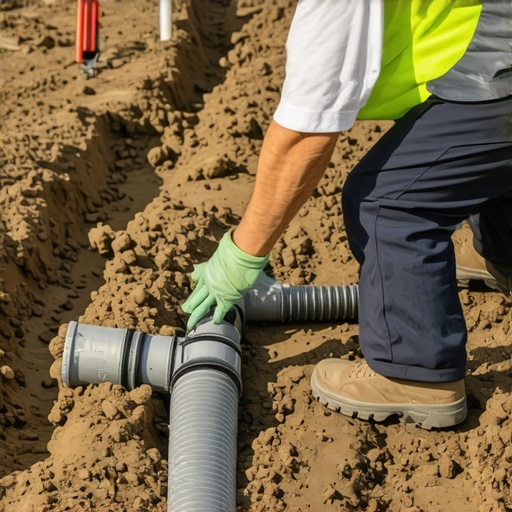
Mosquitoes don’t just breed in the pond; they breed in the ‘micro-puddles’ created by poor hardscaping around the pond. I see this all the time: a contractor installs a beautiful flagstone edge but doesn’t account for the modified gravel base. Water gets trapped under the stones, stays cool, and becomes a hidden breeding ground. You must use polymeric sand or a permeable jointing compound to ensure water doesn’t sit in the joints of your patio.
“A retaining wall doesn’t fail because of the stone; it fails because of the water trapped behind it, which also serves as a cryptic breeding site for dipterans.” – Hardscape Engineering Axiom
Can I use chlorine in my garden pond?
Never use chlorine in a garden pond or landscaping water feature containing live plants or fish. Chlorine destroys the biofilm on liner surfaces and kills beneficial nitrifying bacteria, leading to an ammonia spike that will kill your ecosystem and actually encourage opportunistic mosquito breeding in the resulting dead water.
The Remediation Process: Blueprint for 2026
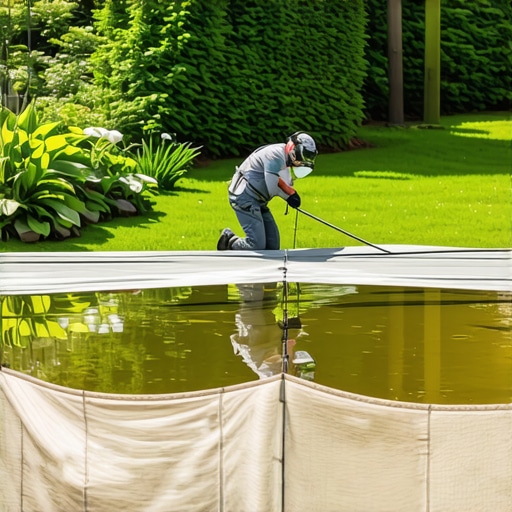
If you’re staring at a stagnant pit right now, here is the step-by-step forensic fix. First, test the pH. If you’re over 8.5 or under 6.5, your biologicals are dead. Second, check your pump intake. Usually, it’s choked with leaf litter because some hack didn’t install a skimmer. Clean it. Third, install a UV clarifier. This won’t kill larvae directly, but it kills the single-cell algae they eat. Starve them out.
- Step 1: Inspect the pond perimeter for ‘blind’ standing water behind stones.
- Step 2: Upgrade to a variable-speed pump to maintain 24/7 circulation.
- Step 3: Add Bacillus thuringiensis israelensis (Bti) dunks for immediate larval termination.
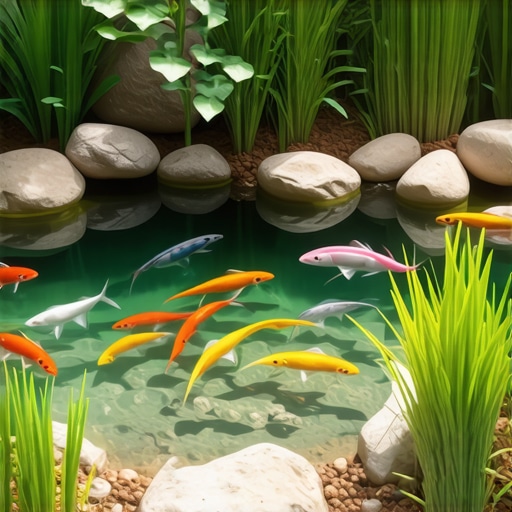
- Step 4: Introduce surface-feeders like Orfe or Gambusia (check local USDA regs first).
- Step 5: Trim aquatic plants to prevent ‘dead zones’ in the water column.
Your goal is a closed-loop system. Every drop of water should be on a journey through a filter, over a weir, or through a venturi nozzle. If water sits for more than 30 seconds, it’s a failure. In 2026, the weather patterns are predicted to be more volatile with higher humidity—this means you cannot afford a single square inch of still water. Real lawn care and landscaping isn’t about the green you see; it’s about the biology you don’t see. Fix the water, fix the pond. Stop the breeding before it starts. Period.
![Why Your 2026 Backyard Pond is Green [Algae Fix]](https://lawnmajesty.com/wp-content/uploads/2026/05/Why-Your-2026-Backyard-Pond-is-Green-Algae-Fix.jpeg)