Stop 2026 Scale Insects on Your Indoor Palms
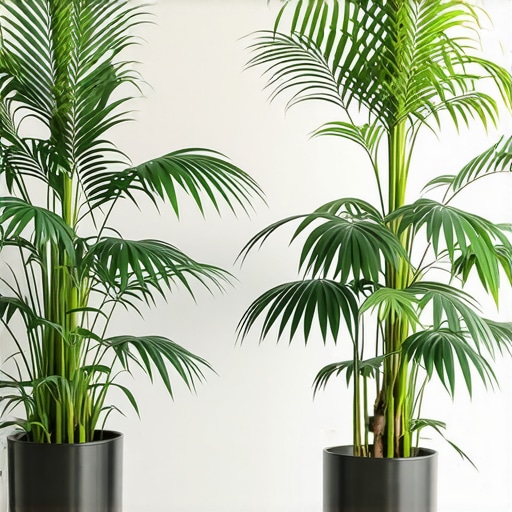
I have spent twenty years in the dirt, fixing the mistakes of low-bid contractors and homeowners who think a bag of big-box fertilizer solves everything. When you walk into a room and see your 12-foot Kentia palm looking lackluster, your first instinct is to water it. That is your first mistake. Most of the time, the plant is not thirsty; it is being eaten alive by a microscopic army. Scale insects are the silent killers of the interior landscape world. They do not fly. They do not crawl fast. They simply sit there, protected by a waxy dome, and drain the life out of your investment. This is not about aesthetics; it is about biological warfare.
The Forensic Autopsy of a Dying Palm
To stop 2026 scale insects on indoor palms, you must identify the waxy armored or soft scale species early and apply horticultural oils or systemic imidacloprid treatments. These pests thrive in dry indoor air, sucking sap and secreting honeydew that leads to sooty mold growth on fronds. A homeowner called me in a panic after they completely torched their front lawn by applying a high-concentrate agricultural herbicide to ‘kill weeds,’ and then they used that same sprayer, without cleaning it, to mist their indoor palms for scale. Within 48 hours, the palms were melting. The chemical burn was irreversible. They destroyed $4,000 worth of nursery stock because they did not understand the basic chemistry of the products they were using. You cannot treat an indoor palm like a patch of fescue. These plants are sensitive to salts, oils, and high-PSI applications.
“Armored scales do not produce honeydew and are often more difficult to control than soft scales because of their protective waxy cover.” – University of Florida IFAS Extension
The Microscopic Enemy: Soft vs. Armored Scale
You need to know what you are fighting before you pull the trigger on a sprayer. Soft scale (Coccidae) produces a sticky residue called honeydew. This is literally insect excrement, and it attracts black sooty mold. Armored scale (Diaspididae) is a different beast. It builds a hard, plate-like shell that is not actually part of its body. Most contact sprays bounce right off that shell. It is a biological shield. If you see brown bumps that you can scrape off with a fingernail, you have an infestation. Don’t ignore it. It will rot the vascular system of the frond.
| Treatment Type | Best For | Application Frequency | Risk Level |
|---|---|---|---|
| Horticultural Oil | Crawlers (Young Scale) | Every 7-10 days | Low (Watch for leaf burn) |
| Systemic Granules | Long-term Prevention | Every 60-90 days | Moderate (Root uptake) |
| Isopropyl Rubbing Alcohol | Spot Treatments | As needed | Low (Labor intensive) |
| Neem Oil | Organic Control | Every 14 days | Low (Slow acting) |
How do I get rid of scale insects on indoor plants permanently?
Eliminating scale insects permanently requires breaking their reproductive cycle by targeting the crawler stage with a combination of systemic insecticides and mechanical removal. You must isolate the infected palm, prune heavily infested fronds, and treat the soil with imidacloprid granules to ensure the plant becomes toxic to any remaining sap-sucking pests. Consistency is the only way. You cannot spray once and walk away. You have to be relentless.
What is the best pesticide for palm tree scale?
The most effective pesticide for palm tree scale is a systemic insecticide containing dinotefuran or imidacloprid, which is absorbed through the roots. For a topical approach, refined paraffinic horticultural oils work by smothering the insects and their eggs, though they must be applied at the correct dilution ratio to avoid phytotoxicity on palm leaves. Avoid cheap ‘all-purpose’ bug sprays. They are useless against the waxy shield of an adult scale. Use professional-grade materials or do not bother at all.
“Successful scale management requires targeting the crawler stage, as adult scales are largely protected from contact insecticides by their waxy secretions.” – Clemson University Cooperative Extension
The Step-by-Step Remediation Process
First, get a 70% isopropyl alcohol solution and a microfiber cloth. You are going to wipe down every single leaflet. It is tedious. Do it anyway. This removes the adults and the sticky honeydew. Second, apply a systemic soil drench. This goes into the roots and travels up into the sap. When the scale bites the plant, the plant bites back. Third, increase the humidity. Scale loves dry, stagnant air. Use a humidifier. Don’t just mist the leaves; that does nothing but create a playground for fungus. Fourth, check the root flare. I see it every day: palms planted three inches too deep. This stresses the plant and makes it a magnet for pests. If you can’t see the top of the root ball, you are killing the palm from the bottom up.
- Step 1: Physical removal using alcohol-soaked pads to reduce the immediate population.
- Step 2: Apply systemic granules to the top 2 inches of soil and water in thoroughly.
- Step 3: Spray a 2% horticultural oil solution, ensuring coverage on the underside of every frond.
- Step 4: Repeat the oil spray every 14 days for three cycles to catch emerging crawlers.
- Step 5: Improve air circulation with a fan set on low to prevent sooty mold spores from settling.
Landscaping inside the home is still horticulture. It requires the same attention to drainage and soil microbiology as a $100,000 backyard install. If you treat your palms like furniture, they will fail. They are living organisms with specific requirements for gas exchange and nutrient uptake. Stop using municipal water straight from the tap if you can help it; the fluoride and chlorine levels in some cities will cause tip burn, further stressing the plant and inviting scale back for a second round. It is a cycle of neglect that you must break. Monitor the pH of your potting media. Palms prefer a slightly acidic range of 5.5 to 6.5. If your soil is too alkaline, the plant cannot take up micronutrients like manganese, leading to frizzle top, which makes the plant defenseless. Use your head. Follow the science. Kill the bugs.
![Why Your 2026 Hydrangeas Won't Bloom [Soil Fix]](https://lawnmajesty.com/wp-content/uploads/2026/07/Why-Your-2026-Hydrangeas-Wont-Bloom-Soil-Fix.jpeg)