5 Reasons Your Lawn Has Brown Spots in the Middle of Summer
The Forensic Autopsy of a Dying Lawn: Identifying Summer Brown Spots
You step outside and the lawn doesn’t just look bad; it feels brittle, crunching under your work boots like dried kindling. To the untrained eye, it is just a brown spot, but to a veteran horticulturist, it is a crime scene where the culprit could be anything from soil compaction to fungal pathogens. Identifying the root cause requires looking past the surface and analyzing the microbiology and hydrology of your specific site. Most homeowners see brown and immediately reach for the hose, often making the problem worse by encouraging root rot or anaerobic soil conditions. Understanding the biological mechanics of turfgrass is the only way to remediate these failures permanently.
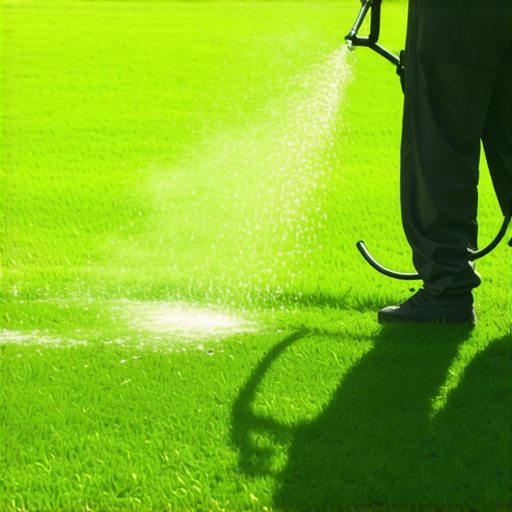
I recently got called out to a property where the homeowner had completely torched their front lawn by applying a high-nitrogen quick-release fertilizer in the middle of a 100-degree July heatwave. They thought they were feeding the grass; instead, they caused chemical desiccation. The salts in the fertilizer drew moisture directly out of the root tissue through osmotic pressure, leaving the yard looking like it had been hit with a blowtorch. I had to explain that you cannot force growth on a plant that is trying to go into dormancy. We had to perform a massive soil flush and then wait for the microbial activity to stabilize before we could even think about overseeding. It was an expensive lesson in agronomy.
1. Drought Stress and the Physiology of Dormancy
Lawn dormancy is a biological defense mechanism where cool-season grasses like Kentucky Bluegrass or Tall Fescue cease photosynthesis and vertical growth to protect the crown. This transition occurs when evapotranspiration rates exceed moisture uptake, causing the plant to prioritize the survival of the root system over the leaf blades. Unlike dead grass, dormant turf remains resilient at the base.
When the soil temperature hits 80 degrees Fahrenheit, cool-season turf begins to struggle. It is not just about the heat; it is about the transpiration pull. The plant is losing water through its stomata faster than the rhizosphere can provide it. If the grass turns a grayish-blue before turning brown, that is your 48-hour warning. If you see footprints that stay visible long after you have walked across the yard, the turgor pressure in the cells has dropped. To fix this, you need a deep soak. Not a daily sprinkle. A daily sprinkle keeps the top half-inch of soil wet, which encourages shallow rooting. You want the roots to chase the moisture down at least 6 inches into the subsoil. If you do not have a 6-inch root zone, your lawn will fail every single July. No exceptions.
“Turfgrass dormancy is a survival strategy, not a death sentence. The plant enters a state of metabolic rest until soil moisture and temperatures return to a sustainable range.” – Penn State Center for Turfgrass Science
How long can a lawn stay dormant before it dies?
Most healthy cool-season lawns can handle 4 to 6 weeks of dormancy without significant crown mortality. However, if the drought extends beyond this without at least half an inch of water every two weeks to keep the crowns hydrated, the grass will transition from dormancy into permanent desiccation. Once the crown—the white, fleshy part where the blade meets the root—turns brown and shrivels, that plant is dead. It will not recover in the fall. It will rot.
2. Fungal Pathogens: The Brown Patch Epidemic
Brown Patch (Rhizoctonia solani) is a devastating fungal disease that thrives when nighttime temperatures stay above 65 degrees and the leaf blades remain wet for more than 10 consecutive hours. This pathogen attacks the leaf sheath, creating circular brown patches that can range from a few inches to several feet in diameter. It is often exacerbated by over-watering at night.
If you see a dark, smoky ring around the edge of the brown spot in the early morning, you are looking at active mycelium. This is the fungus literally eating the grass. This usually happens because homeowners set their irrigation clocks to run at 10:00 PM. That is a recipe for disaster. When you water at night, the water sits on the blade until the sun comes up. That 8-hour window of moisture is the perfect incubation period for fungi. You must water between 4:00 AM and 8:00 AM. This allows the sun to dry the blades quickly while the water soaks into the root zone. Also, check your nitrogen levels. Too much nitrogen in the summer creates soft, succulent growth that is essentially a buffet for Rhizoctonia. Keep your NPK ratio lean on the nitrogen side during the peak of summer.
| Symptom | Likely Cause | Visual Identifier |
|---|---|---|
| Circular Patches | Fungal Disease | Smoky gray ring at edges in the morning |
| Irregular Straw Patches | Drought/Dormancy | Blades fold or curl, uniform brown color |
| Mottled/Yellow Spots | Chinch Bugs | Small insects visible at the soil line |
| Sudden Wilting | Fertilizer Burn | Defined edges matching the spreader path |
3. Soil Compaction and Hydrophobic Barriers
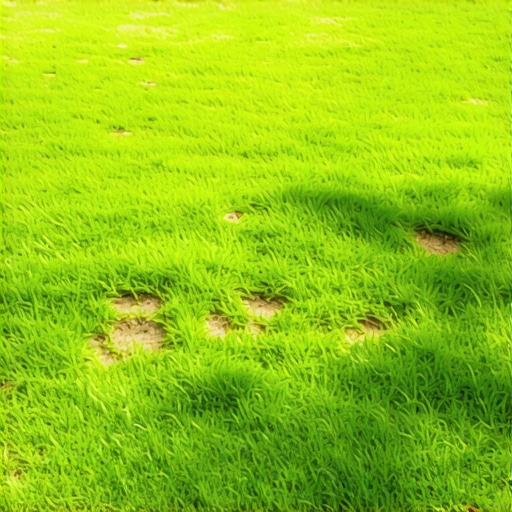
Soil compaction occurs when the pore space between soil particles is crushed, preventing the movement of oxygen, water, and nutrients to the root system. In high-traffic areas or heavy clay soils, the ground becomes so dense that it reaches a high bulk density, effectively suffocating the turf and creating localized brown spots that resist irrigation. This is a structural failure of the soil profile.
I have seen patios and hardscaping projects fail because the contractor didn’t account for hydrostatic pressure and drainage, and the same logic applies to your lawn. If your soil is compacted, the water just runs off the surface like it is hitting concrete. This is called a hydrophobic condition. You can pour a gallon of water on a spot, and the dirt underneath stays bone dry. You need to perform a core aeration. Do not use those spike aerators that look like golf shoes; they actually increase compaction by pushing soil to the side. You need a machine that pulls a 3-inch plug out of the ground. This breaks the surface tension and allows the roots to breathe. If you can’t push a screwdriver into the ground with your thumb, your soil is too compact. Fix it or the brown spots will return every year.
How much modified gravel do I need for a patio base?
While this seems unrelated to lawn spots, grading around hardscape is crucial. For a standard paver patio, you need a minimum of 4 to 6 inches of compacted modified gravel (2A or CR6). If the base is too thin or the pitch is wrong, water will shed off the patio and pool in the lawn, causing anaerobic conditions that kill the grass. Your landscape engineering must account for where that water goes once it hits the stone.
4. Insect Infestation: The Silent Root Killers
Grub worms and chinch bugs are the primary entomological threats that cause summer browning by destroying the vascular system of the lawn. White grubs (the larvae of Japanese beetles) live in the soil and consume the fibrous root system, while chinch bugs use their piercing mouthparts to suck the fluid out of the grass blades and inject a toxin that blocks water movement.
To test for grubs, grab a handful of the brown grass and pull. If it rolls up like a piece of carpet with no resistance, you have a grub problem. The roots are gone. They have been eaten. For chinch bugs, they love the hottest, sunniest parts of the lawn, especially near concrete driveways or patios where the radiant heat is highest. You can use the “tin can method” to find them: cut both ends off a can, push it into the soil, fill it with water, and see if the bugs float to the top. If you have more than 10 bugs per square foot, you need a targeted insecticide. But don’t just spray the whole yard. Only treat the infestation zone to preserve the beneficial predatory insects like spiders and ground beetles.
“A retaining wall doesn’t fail because of the stone; it fails because of the water trapped behind it.” – Hardscape Engineering Axiom
5. Mechanical Error: Mower Height and Scalping
Scalping occurs when the mower deck is set too low, removing more than one-third of the leaf tissue in a single pass. This shocks the plant and exposes the crown to direct UV radiation, leading to rapid desiccation. Maintaining a high cutting height is essential for shading the soil and reducing the evapotranspiration rate of the lawn.
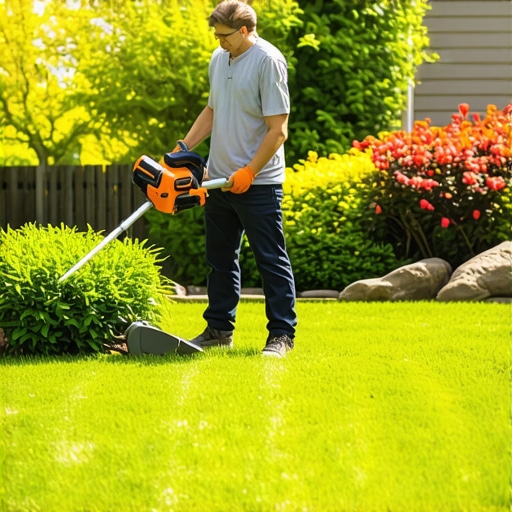
Stop cutting your grass at 2 inches. In the summer, you should be at 3.5 or 4 inches. Why? Because leaf height is directly proportional to root depth. If you keep the grass short, the roots stay short. Deep roots find water; shallow roots die. Also, tall grass blades shade the soil, keeping the micro-climate at the ground level significantly cooler. If you scalp the lawn on a 90-degree day, you are basically stripping the insulation off your house in the middle of a blizzard. It is horticultural suicide. Keep your blades sharp, too. A dull blade tears the grass, leaving a jagged edge that loses moisture 50% faster than a clean cut. Sharp blades save water. It is that simple.
Summer Lawn Care Audit Checklist
- Probe the Soil: Use a soil probe or screwdriver to check moisture depth (Target: 6 inches).
- Check Mower Height: Set deck to at least 3.5 inches.
- Morning Irrigation: Ensure water cycles finish by 8:00 AM.
- Tug Test: Pull on brown patches to check for root loss from grubs.
- Sharpen Blades: Ensure mower blades are clean to prevent jagged, moisture-leaking tears.
- N-P-K Review: Avoid high-nitrogen fertilizers when temps exceed 85 degrees.
Fixing summer brown spots isn’t about more chemicals; it’s about better cultural practices. If you manage the organic matter, the soil density, and the irrigation timing, your lawn will survive the heat. If you continue to treat it like a plastic rug, it will continue to die. Get your pH levels tested, stop the night watering, and let the grass grow tall. That is the only way to beat the summer heat.