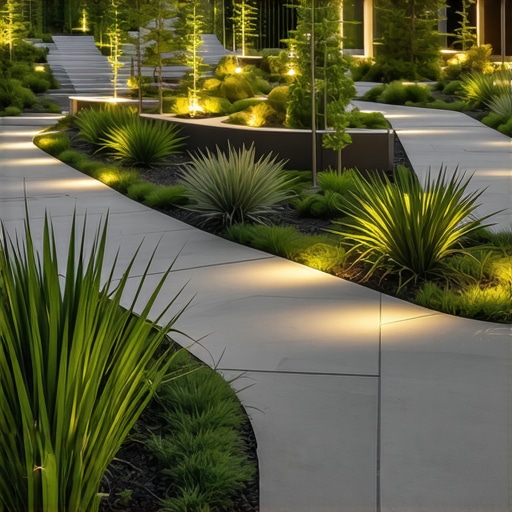
Ever spent hours trying to design a garden, only to end up with something that feels flat, uninspired, and just… okay? I remember the lightbulb moment when I realized I was stuck in old habits, ignoring the exciting innovations that could transform my outdoor space into a true haven. It’s frustrating, isn’t it? Especially when you see those breathtaking gardens online and wonder how they did it.
Why Landscaping Innovation Matters Now More Than Ever
In 2025, the gardening world is buzzing with fresh ideas that blend technology, sustainability, and artistic expression. But here’s the kicker: many of us are hesitant to jump into these trends, fearing they’re too complex, expensive, or just a passing fad. Believe me, I’ve been there. Early on, I made the mistake of copying what everyone else was doing without understanding what truly suited my space. That’s why I want to help you cut through the noise and focus on what works.
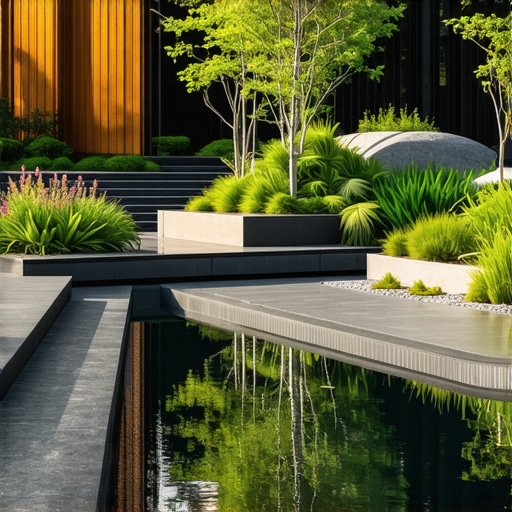
Research shows that incorporating innovative hardscaping techniques can boost your garden’s appeal and even increase property value. For instance, new materials and designs are making outdoor spaces more durable and visually stunning. To get started, I recommend exploring some of the best hardscaping ideas to modernize your outdoor space in 2025. This way, you’ll learn how to combine practicality with beauty, creating a garden that’s both functional and inspiring.
Is All This Technology and Design Hype Really Worth It?
I used to think that staying traditional was safer and easier. But I learned a hard lesson early on: sticking only to familiar methods limits your garden’s potential. When I first experimented with modern landscaping design tips, it was intimidating—yet incredibly rewarding. For example, integrating smart irrigation systems or using innovative materials for pathways can save time and money in the long run. If you’re skeptical, I get it. That’s why I encourage you to check out resources like best hardscaping ideas to modernize your outdoor space in 2025. They’re packed with practical advice and real examples that prove these techniques are more accessible than you think.
So, have you faced the challenge of updating your garden with the latest trends? Or are you still hesitant about trying new techniques? Either way, this post will guide you through the most effective, innovative landscaping design trends for 2025—no fluff, just real strategies that will help you craft a stunning garden that stands out.
Break Down Your Design into Manageable Sections
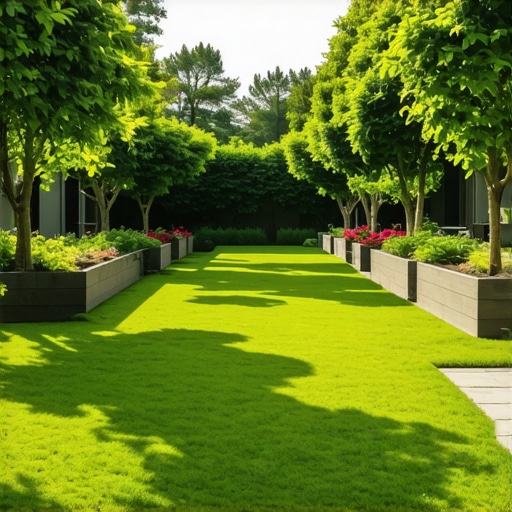
When you start upgrading your garden, don’t try to overhaul everything at once. Instead, divide your space into zones—like a cozy seating area, a lush flower bed, or a sleek pathway. I remember when I tackled my backyard, I focused on creating a modern patio first, which gave me a sense of progress and clarity. Use resources like landscape design tips for stunning modern gardens in 2025 to guide your zoning process.
Select Durable, Aesthetic Hardscaping Materials
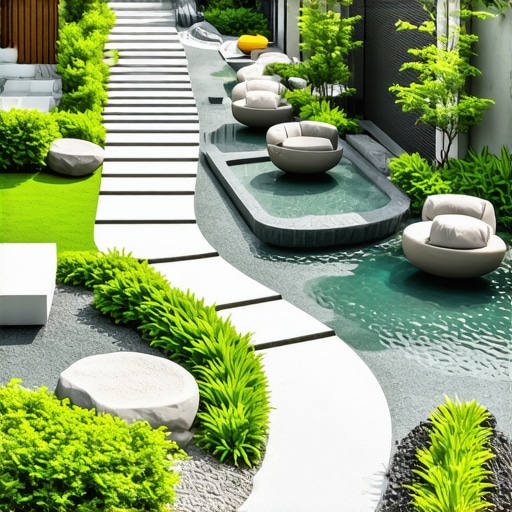
Choosing the right hardscaping materials is like picking the foundation of a house—crucial for stability and style. I recommend exploring options such as permeable pavers, which are eco-friendly and sleek. During my last project, I experimented with these and was amazed by how they combined durability with modern appeal. Check out top hardscaping ideas to elevate your outdoor space in 2025 for inspiration.
Implement Smart Irrigation and Lighting Systems
Technology plays a huge role in modern landscaping. Installing smart irrigation ensures your plants get the right amount of water without waste. I installed a system that adapts based on weather conditions—saving me hours every week. Similarly, smart lighting can highlight your garden’s best features after dark. Think of it as giving your garden a stylish outfit—functional yet eye-catching. For detailed tips, visit modern landscaping ideas for stunning outdoor spaces in 2025.
Use Vertical Gardening to Maximize Space
If your yard is small, vertical gardening is a game-changer. Think of it as turning your walls into living art—climbing plants, wall-mounted planters, or trellises. I added a vertical herb garden on my patio, which not only saved space but also added a charming focal point. This technique is highlighted in landscaping design tips for stunning modern gardens in 2025. It’s a simple way to add greenery without sacrificing ground space.
Incorporate Native and Low-Maintenance Plants
Choosing native plants reduces water and maintenance needs. I swapped out some of my exotic plants for local species, which thrived with minimal care. Plus, native plants attract local pollinators, making your garden eco-friendly. Use modern garden design landscaping tips for 2025 results to select the best native options for your region.
Personalize with Artistic Elements
Finally, add personal touches like sculptures, water features, or custom furniture. These elements make your garden uniquely yours and elevate the overall aesthetic. I once added a modern sculpture that became a conversation starter, blending art and nature seamlessly. Check out ultimate hardscaping ideas for a contemporary garden makeover for more ideas on artistic landscaping.
Many gardening enthusiasts believe that simply following the latest trends guarantees a beautiful landscape. However, the truth is that most people get wrong the importance of nuance and understanding their specific space. One widespread myth is that adopting every new hardscaping or planting idea will automatically elevate your garden. In reality, blindly copying trends without considering your climate, soil, and personal style can lead to costly mistakes and lackluster results. For example, installing a high-maintenance water feature in a drought-prone area can drain your resources and frustrate your efforts.
Another common misconception is that innovative materials and technology are always the best choice. While smart irrigation systems and permeable pavers are game-changers, they require proper planning and installation. An improperly laid hardscape or an ill-suited plant selection can diminish your garden’s aesthetic and functionality. It’s vital to understand that innovation should serve your unique needs, not just follow a shiny new trend. For inspiration, check out best hardscaping ideas to modernize your outdoor space in 2025.
What Advanced Garden Design Techniques Are Often Overlooked?
Many gardeners overlook the importance of layering and creating focal points that draw the eye naturally. Techniques like strategic lighting, multi-level planting beds, and textured hardscapes add depth and personality. These details demand a nuanced understanding of visual balance and scale, which can be daunting for beginners. Experts recommend focusing on harmony and contrast, ensuring every element complements the overall design. This approach not only elevates your garden but also prevents it from feeling cluttered or disjointed. For more on elevating your landscape, explore landscape design tips for stunning modern gardens in 2025.
Be cautious of the trap of over-planting. More isn’t always better. A cluttered garden can detract from its beauty and make maintenance a nightmare. Instead, aim for a curated look, choosing plants and features that enhance each other. Native plants are often overlooked but are vital for creating sustainable, low-maintenance landscapes. They attract local pollinators and thrive with minimal intervention, saving time and money. For tailored native plant ideas, see modern garden design landscaping tips for 2025 results.
Finally, don’t forget that the devil is in the details. Maintaining a balance between hardscape and softscape, integrating artistic elements, and understanding your environmental context are subtle skills that separate good gardens from great ones. Have you ever fallen into this trap? Let me know in the comments.
Keeping your garden vibrant and healthy over time requires more than just planting the right flora; it demands consistent maintenance and the right tools. As my garden has evolved, I’ve discovered that investing in the right equipment and adopting efficient methods can dramatically extend the beauty and functionality of your outdoor space.
How do I maintain my landscaping investments over the long haul?
First and foremost, I rely on a combination of smart technology and traditional manual tools. For example, I use a cordless electric hedge trimmer from DeWalt because of its lightweight design and powerful motor, which makes trimming bushes less tiring and more precise. Its battery life is impressive, allowing me to handle extensive pruning sessions without interruption. This tool has become indispensable, especially during seasonal cleanups.
For lawn care, I prefer a robotic mower like the Husqvarna Automower. It keeps my grass trimmed evenly every day, reducing the need for manual mowing and ensuring my lawn stays lush and neat. Automated systems like this are the future of sustainable gardening, minimizing waste and saving time. As the trend toward automation continues, I predict more gardeners will embrace these smart devices for seamless maintenance.
Beyond power tools, I recommend software solutions like LMN (Landscape Management Software). This platform helps me schedule, track, and optimize my maintenance routines. It ensures I don’t overlook tasks like fertilization or pest control, which are crucial for long-term plant health. Using such tools means my garden receives consistent care, leading to better results and less stress.
What equipment do I swear by for ongoing garden health?
One piece of equipment I can’t live without is a high-quality soil tester, such as the Rapitest. Regular testing informs me about pH levels and nutrient deficiencies, guiding me to amend my soil accurately. Proper soil health is the foundation of a thriving garden, and investing in a reliable tester saves me money and guesswork over time.
Additionally, I use a weather station like Netatmo to monitor local climate conditions. Knowing when rain is coming or when temperatures fluctuate helps me adjust watering schedules and protect sensitive plants. This proactive approach prevents overwatering or dehydration, which can be detrimental in the long run.
Looking ahead, I believe the integration of IoT (Internet of Things) devices will become even more sophisticated, enabling real-time monitoring and automated responses to environmental changes. This will make maintenance even more effortless and precise, freeing up more time for creative garden design.
Try this tip to keep your garden in top shape
One advanced tip I recommend is setting up a smart irrigation system that adapts to weather forecasts and soil moisture levels. For example, combining a smart controller with a soil moisture sensor ensures your plants only receive water when needed, conserving resources and promoting healthier growth. Implementing this can be as simple as connecting a smart irrigation system today and watching your garden thrive with minimal effort.
Remember, the key to long-lasting beauty is consistent, informed maintenance. By investing in the right tools and embracing emerging technologies, you can enjoy a lush, healthy garden for years to come. So, why not start by upgrading one aspect of your maintenance routine today? Your future self will thank you!
Ever wondered why some gardens turn heads while others look a bit tired? The secret often lies in the lessons learned from past mistakes and embracing innovative ideas that truly elevate your outdoor space. In 2025, the landscape design world is full of opportunities, but only those willing to learn and adapt will create truly breathtaking gardens.
The Hardest Lesson I Learned About Landscaping Innovation
- Overcrowding Plants: I used to think more was better, filling every inch with lush foliage. Turns out, less is more. Strategic spacing and focusing on native plants created a more harmonious and sustainable garden.
- Ignoring the Power of Hardscaping: I underestimated how well-designed pathways, patios, and walls could transform a space. Now I know investing in quality hardscaping ideas, like permeable pavers, adds both beauty and functionality. For inspiration, check out top hardscaping ideas for 2025.
- Neglecting Technology: I used to avoid smart irrigation and lighting systems, thinking they were complicated. Now I see how these tools save time and resources, making maintenance easier and garden more vibrant. Dive into modern landscaping ideas for 2025 for practical tips.
My Essential Toolkit for a Modern Garden
- Smart Irrigation Controllers: Devices that adapt to weather help conserve water and keep plants healthy. I trust brands like Rachio because they’re reliable and easy to set up.
- Quality Power Tools: Cordless hedge trimmers from DeWalt and robotic mowers like Husqvarna Automower have revolutionized how I maintain my yard. They’re efficient and reduce manual effort.
- Soil Testing Kits: A good soil tester, like Rapitest, ensures your plants thrive by providing essential data for amendments. It’s a small investment with big returns.
- Landscape Management Software: Tools like LMN help plan, schedule, and track maintenance tasks, ensuring consistent care and healthier plants.
Take Action and Transform Your Garden Today
Designing a garden that wows in 2025 isn’t just about following trends; it’s about making informed choices, embracing innovation, and adding your personal touch. Whether you’re starting small or going all-in, remember that every great garden begins with a single step. So, why not try incorporating a smart irrigation system or exploring the latest hardscaping ideas today? Your future lush, modern garden awaits—just take that first step. What’s one change you’re excited to try in your outdoor space? Share your thoughts below and let’s grow together!
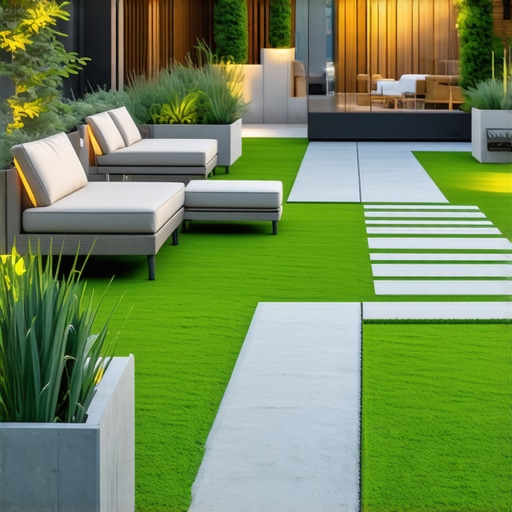
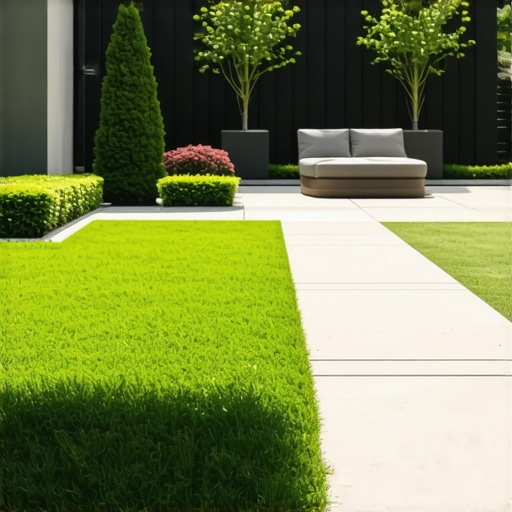
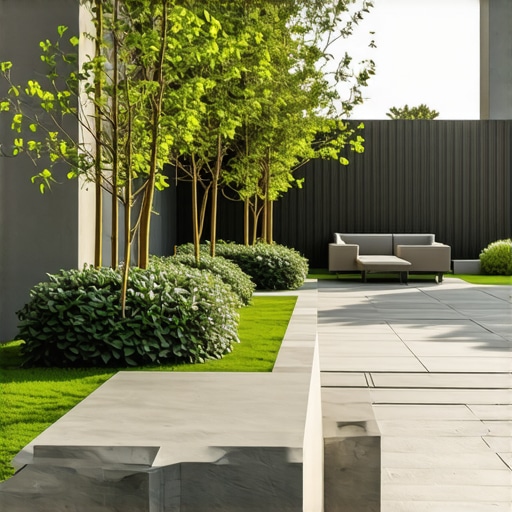
Reading through this post really resonated with me, especially the part about not trying to overhaul your entire garden at once. I’ve learned from my own experience that breaking a project into manageable zones makes a huge difference in staying motivated and seeing progress. Incorporating native plants was a game-changer for my low-maintenance garden, saving water and attracting bees and butterflies. I also experimented with vertical gardening on my small patio, which added lushness without sacrificing space. What I find most exciting about these trends is how accessible they are—things like smart irrigation and permeable pavers don’t have to be intimidating or costly if you plan carefully. Has anyone else found budget-friendly ways to integrate innovative hardscaping or smart tech without breaking the bank? I’d love to hear tips from other gardeners who started small but achieved big results.
Your post really hits home for me, especially the idea of breaking down garden upgrades into manageable zones. I started with just a small patio extension using affordable permeable pavers and felt overwhelmed initially, but it turned out to be a great way to test the waters with hardscaping. I also found that using native plants native to my region drastically reduced water bills and maintenance time, making the whole process more enjoyable.
One challenge I faced was finding cost-effective smart irrigation options that aren’t overly complicated or expensive. I ended up installing a simple, programmable timer with butterfly valves I bought online, which has been a game-changer in maintaining my garden’s efficiency. From your experience, what are some of the best budget-friendly technology solutions you’ve come across that balance ease of use and functionality? I’m curious as many of us want to incorporate smart tech without overspending or complicating our lives.