Why Native Wildflowers Belong in Your Suburban Front Yard
I always drill into my new crew members: if you don’t fix the soil grading first, every plant you put in the ground is just expensive compost. I have seen guys spend ten thousand dollars on nursery stock only to watch it drown in a week because they didn’t understand how water moves through a site. This is the technical reality of land management. When we talk about hardscaping or landscaping, we are talking about engineering a living system. Moving away from the high-maintenance monoculture of turf grass toward a native wildflower ecosystem is not a cosmetic choice. It is a structural upgrade for your property. Most homeowners are fighting a losing battle against biology. They spend hundreds on lawn care chemicals to keep a non-native grass species alive in a climate it was never meant for. This is inefficient. It is expensive. It is bad engineering. If you want a yard that performs like a high-end machine, you need to understand the rhizosphere, the nitrogen cycle, and the hydrological benefits of deep-rooted perennials.
The Engineering Logic of Native Perennials
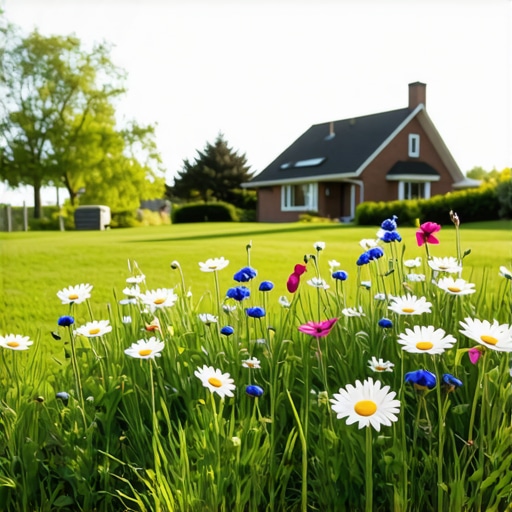
Native wildflowers establish deep root systems that improve soil structure and stormwater infiltration. Unlike turf grass, these plants require no synthetic fertilizers or supplemental irrigation once established, providing a resilient landscaping solution that supports local biodiversity and reduces long-term maintenance costs. It is about efficiency. Turf grass is a biological desert. It offers zero ecological gain. It has a root system that barely reaches three inches deep. In contrast, species like Asclepias tuberosa or Baptisia australis push roots down three to six feet. This creates macropores in the soil. These pores allow water to penetrate the subsoil rather than sheeting off the surface and causing erosion or basement flooding. You are building a living sponge. This is civil engineering with biology. If your yard has a slope, turf is your enemy. Native roots are your anchor. They hold the soil in place with a tensile strength that plastic netting cannot match.
“Native plants have evolved over millennia to thrive in local soil and climate conditions without the need for human intervention.” – Texas A&M AgriLife Extension
How do I prepare my yard for a wildflower meadow?
To prepare a yard for a wildflower meadow, you must first eliminate all existing cool-season grasses and invasive weeds using methods like solarization or sheet mulching. Once the site is clear, perform a soil test to determine the cation exchange capacity and pH before sowing native seeds at a shallow depth. Preparation is 80 percent of the work. If you skip the site prep, you are just planting weeds. I have seen homeowners throw seeds over a dead lawn and wonder why nothing grew. The soil needs to be bare. It needs to be firm. You are not tilling. Tilling is for amateurs. Tilling wakes up the weed seed bank that has been dormant for twenty years. You want to kill the surface growth and leave the soil profile undisturbed. We use heavy black plastic for solarization. It cooks the weed seeds. It takes six weeks. It is worth the wait. Don’t rush it.
| Plant Species | Root Depth (Feet) | Soil Type Preference | Maintenance Level |
|---|---|---|---|
| Little Bluestem | 5-8 | Well-drained/Sandy | Low |
| Purple Coneflower | 3-5 | Clay/Loam | Moderate |
| Butterfly Weed | 4-12 | Sandy/Rocky | Very Low |
| Switchgrass | 10-12 | Heavy Clay | Low |
The table above shows the physical reality of these plants. Look at those root depths. While your neighbor is running his sprinklers for two hours a day, these plants are pulling moisture from six feet underground. They are tapping into the water table. This is why native yards don’t turn brown in August. They are built for the heat. They are built for the drought. They use garden design to solve environmental problems. Most big-box store plants are pampered in greenhouses. They are weak. They have never felt the sun or a real wind. When we source from local nurseries, we are getting plants that have survived local winters. They have the genetics to last. I tell my crew to look for the root flare on any woody natives. If you bury that flare, the plant will die. It is a slow death, but it is certain. Plant it high, it won’t die. Plant it deep, it won’t keep. Simple rules for complex systems.
“The hydrological benefit of a prairie-style planting is measured in its ability to absorb 90 percent more runoff than a standard lawn.” – National Resource Conservation Service
Will native wildflowers decrease my property value?
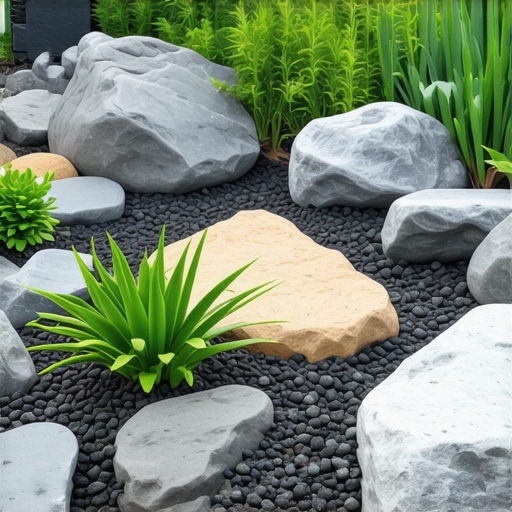
Integrating native wildflowers into a professional landscaping plan increases curb appeal and property value by reducing utility costs and offering a unique, high-end aesthetic. A well-designed wildflower garden using hardscaping elements like stone borders or steel edging signals intentionality and professional garden design to appraisers. The key word is intentionality. A mess is not a meadow. You need a frame. You use a hardscape edge. A crisp stone line or a mown strip tells the neighbors this isn’t a neglected yard. It is a managed habitat. This is where the engineering comes back in. You need to understand the height of the plants at maturity. Don’t put six-foot-tall Silphium in the front of the border. You put the shorter species like Penstemon or Coreopsis near the sidewalk. This is the blueprint for success. Use mass plantings. Groups of three or five. It looks cleaner. It looks professional. It doesn’t look like a weed patch.
- Conduct a 12-inch deep soil core sample to check for compaction layers.
- Identify the USDA Hardiness Zone to ensure species survivability.
- Select a seed mix with a 50:50 ratio of forbs to grasses for structural stability.
- Install a permanent hardscaping border to prevent rhizomatous grass encroachment.
- Commit to a three-year establishment phase with monthly invasive monitoring.
The first year, they sleep. The second year, they creep. The third year, they leap. This is the lifecycle of a native installation. In year one, you will think I sold you a field of dirt. You won’t see much. All the work is happening underground. The plants are building their engines. They are pushing roots down. In year two, you see the first blooms. In year three, the system is fully operational. You can stop watering. You can stop weeding. The plants have filled the space. They are shaded out the competition. They have built their own mulch. This is the goal of landscaping: a self-sustaining system. Most people are stuck in a cycle of intervention. They mow, they spray, they water. It is a hamster wheel. Break the wheel. Use the biology of the region. It works. It survives. It performs. Forget the fluff. Focus on the soil. The rest is just biology doing its job.