How to Fix a Muddy Patch Under Your Kids’ Swing Set
The Hard Science of the Swing Set Sinkhole
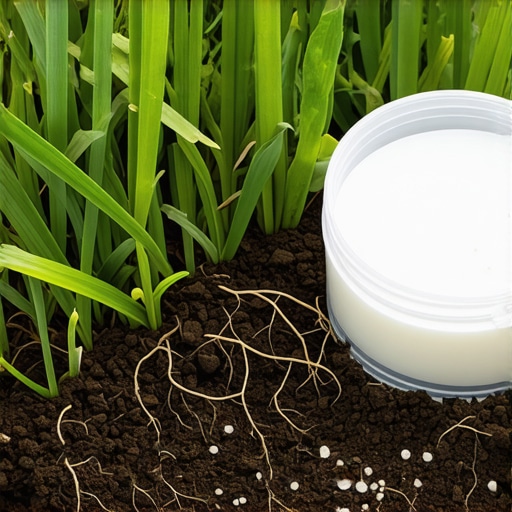
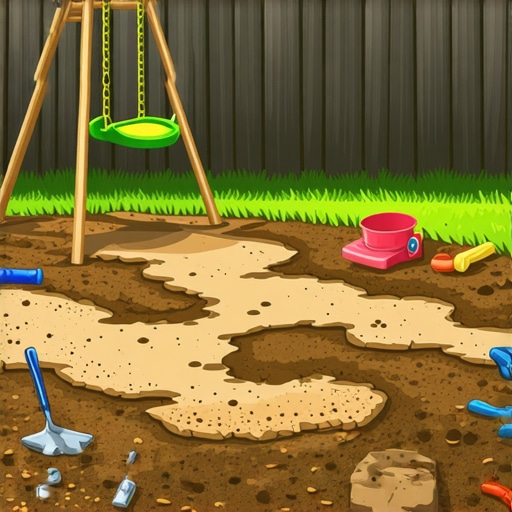
A muddy patch under a swing set occurs when repetitive impact compacts the soil, destroying its structure and preventing water infiltration. This creates an anaerobic bowl where turf dies and water stagnates. Fixing it requires grading for positive drainage, installing a sub-base of clean stone, and using a permeable surfacing material. I always drill into my new crew members: if you don’t fix the soil grading first, every plant or paver you put in the ground is just expensive compost. The same logic applies to that muddy pit under the swings. I have seen contractors dump ten bags of mulch over a puddle. Three weeks later, you have mulch-flavored mud. It is a waste of time. We look at the hydrology. If the water has nowhere to go, it stays. Gravity is the only contractor that never takes a day off. When kids jump off a swing, they exert a force that exceeds 100 PSI on the ground. In wet conditions, this pressure collapses the macro-pores in the soil. Once those pores are gone, the soil becomes a biological concrete that cannot breathe or drain.
“Soil compaction is the most common cause of poor turf performance in high-traffic areas, leading to reduced infiltration rates and increased runoff.” – Penn State Extension: Center for Turfgrass Science
The Forensic Autopsy: Why Your Lawn Failed
The failure of turf under a play set is rarely about the grass variety and always about the bulk density of the soil. When soil bulk density reaches 1.6 grams per cubic centimeter for clay or 1.8 for sand, root growth stops. Water sits on top because the capillary action is broken. You are left with a swamp. We need to look at the soil texture. Use the ribbon test: squeeze a handful of moist soil. If it forms a long, shiny ribbon, you are dealing with high clay content. This means you have zero natural drainage once compacted. You are essentially building a bathtub. To fix this, we have to stop thinking like gardeners and start thinking like civil engineers. The solution involves excavation, sub-grade stabilization, and moisture management. [IMAGE_PLACEHOLDER]
The Remediation Blueprint: From Muck to Dry Ground
Effective drainage in a play area requires a multi-layered approach that includes a 1/4-inch-per-foot slope and the use of non-woven geotextile fabrics. You cannot just dig a hole; you must create a path for the water to exit. We use a French drain system if the surrounding grade does not allow for natural runoff. This involves 4-inch perforated HDPE pipe wrapped in a silt sock, buried in 2B clean crushed stone. Do not use 2A modified stone here; the ‘fines’ in modified stone will clog your drainage layer and turn it back into a swamp. You need clean, washed aggregate.
“A retaining wall or drainage system doesn’t fail because of the stone; it fails because of the water trapped behind or within it.” – ICPI Hardscape Engineering Axiom
How do I stop mud from forming under my swing set?
To stop mud formation, you must remove the organic material, install a permeable aggregate base, and cover it with engineered wood fiber or rubber mulch. This system allows water to pass through the surface into the sub-base and away from the play area, keeping the surface dry.
How much modified gravel do I need for a patio base?
For a standard play area or hardscape base, you need 6 inches of compacted aggregate. To calculate the volume, multiply the square footage by 0.5, then divide by 27 to get the cubic yardage. Always add 10 percent for compaction loss during the tamping process.
Material Selection and Comparison
Choosing the right infill is the difference between a ten-year solution and a yearly headache. Engineered Wood Fiber (EWF) is the industry standard for a reason. It knits together to form a stable surface that still allows for high-velocity drainage. Rubber mulch is excellent for safety but can be a nightmare if your drainage layer underneath is not perfect, as it can float during heavy rain events.
| Material | Drainage Rating | Safety Factor (ASTM F1292) | Cost | Lifespan |
|---|---|---|---|---|
| Engineered Wood Fiber (EWF) | High | Excellent | Moderate | 3-5 Years |
| Rubber Mulch | Moderate | Superior | High | 10+ Years |
| Pea Gravel | Very High | Fair | Low | Permanent |
| Play Sand | Low | Good | Low | Medium |
The Step-by-Step Installation Protocol
Follow this checklist to ensure the project does not fail by next spring. Every measurement matters.
- Mark Utilities: Call 811 before you dig. Striking a shallow gas line will ruin your weekend.
- Excavate: Remove 9 to 12 inches of soil. The depth depends on the ‘critical fall height’ of your swing set.
- Grade: Create a 1 percent to 2 percent slope toward a lower point in the yard.
- Geotextile: Lay down 4oz non-woven geotextile. This keeps the stone from sinking into the mud.
- Base Layer: Add 4 inches of clean 3/4-inch stone. Tamp it until the plate compactor bounces.
- Infill: Add 6 to 9 inches of your chosen play media.
- Border: Use 6×6 pressure-treated timbers or heavy-duty poly-borders to contain the material.
This is not a ‘mow-and-blow’ project. It is an infrastructure upgrade. If you skip the geotextile, the mud will eventually consume your expensive gravel. If you skip the grading, you will have a subsurface pond. Do it right the first time. Your kids will stay clean, and your lawn will stop looking like a construction site.