How to Stop Slugs from Eating Your Garden in One Night
The Anatomy of a Garden Massacre: Identifying Slug Damage
Slug damage manifests as irregular, ragged holes in foliage and shimmering slime trails left by gastropods like Deroceras reticulatum. To stop them, you must disrupt their moisture-dependent lifecycle by altering the microclimate of your landscape through proper drainage engineering and strategic chemical barriers applied at dusk.
I recently got called out to a property where a homeowner had effectively created a chemical nightmare. They had torched their front lawn by applying three different types of high-nitrogen fertilizer in a single week, thinking it would kill the slugs. Instead, they just forced the gastropods into the protected root zones of their hostas. The soil pH was a wreck, the grass was yellowing from nitrogen burn, and the slugs were thriving in the resulting rot. It was a forensic lesson in why you never treat the symptom without understanding the biology. Slugs aren’t just pests; they are biological indicators of excess moisture and poor airflow.
“Slugs require a moist environment to survive and move. Effective management must focus on reducing humidity in the plant canopy and eliminating cool, damp hiding places during the day.” – Oregon State University Extension Service
How do I identify slug damage versus caterpillar feeding?
Look for the trail. Slugs produce a mucoid secretion consisting of 90 percent water and a complex matrix of hygroscopic glycoproteins. This leaves a silver, dried film that caterpillars cannot replicate. Furthermore, slugs use a radula, a chitinous tongue with thousands of microscopic teeth, to rasp away at plant tissue. This creates thin spots in leaves before they eventually break through, whereas many caterpillars leave clean, scalloped edges from the leaf margin inward. If you see holes in the middle of a leaf and a silver streak, it is a gastropod strike.
The Engineering of a Slug-Proof Garden Design
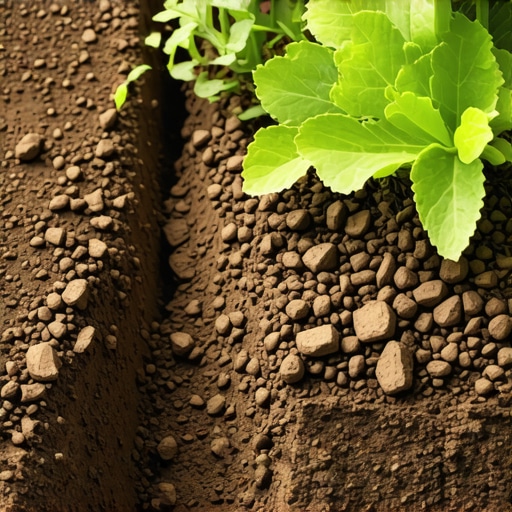
A professional garden design should prioritize soil grading and hydrostatic pressure management to ensure that surface water exits the planting bed within two hours of a rain event. Slugs thrive in saturated soil, so installing French drains or adjusting the pitch of your hardscaping can eliminate the damp microclimates where they congregate.
Most people ignore the physics of their yard. If your patio was installed with a 1 percent slope instead of 2 percent, water is lingering. That 1 percent difference creates a breeding ground. When I build a retaining wall, I am looking at the drainage stone behind the block. If that 57-stone is clogged with fines, water builds up. This doesn’t just threaten the structural integrity of the wall; it creates a perpetually damp environment that acts as a highway for slugs. You need a 4-inch perforated pipe wrapped in a silt sock, bedded in clean gravel. This keeps the wall dry and the slugs away.
| Control Method | Mechanism of Action | Duration of Effect | Cost per 100 Sq Ft |
|---|---|---|---|
| Copper Flashing | Electrolytic Reaction | Multi-Year | $45.00 |
| Iron Phosphate | Digestive Disruption | 2-3 Weeks | $12.00 |
| Diatomaceous Earth | Mechanical Desiccation | Until Wet | $8.00 |
| Beer Traps | CO2/Ethanol Lure | 48 Hours | $5.00 |
Chemical Warfare: Iron Phosphate vs. Metaldehyde
Modern landscaping professionals have moved away from metaldehyde due to its high toxicity to domestic animals and focus instead on iron phosphate pellets. These pellets are more resilient to rain and trigger a starvation response in slugs by interfering with their calcium metabolism in the digestive gland. Once they ingest the bait, they stop feeding immediately and crawl away to die underground, avoiding the unsightly slime trails associated with older baits.
Don’t fall for the home remedies like crushed eggshells. A slug can crawl over a razor blade without being cut because of the protective properties of its mucus. Eggshells are a waste of time. If you want a physical barrier, you use 12-gauge copper wire or flashing. When the slug’s mucus touches the copper, it triggers a minute electrical charge. It is essentially an invisible electric fence. It is a one-time install that works for years.
“Metaldehyde is a potent molluscicide, but its lack of selectivity makes it a risk in integrated pest management systems where beneficial predatory beetles are present.” – Journal of Economic Entomology
Is iron phosphate safe for dogs and local wildlife?
Iron phosphate is generally recognized as safe for pets and wildlife when applied according to the label. Unlike older carbamate baits, it breaks down into iron and phosphate, which are naturally occurring soil nutrients. However, ingestion of large quantities should still be avoided. Always broadcast the bait thinly rather than leaving it in piles, which reduces the risk of accidental consumption by non-target species.
The Nightly Eradication Checklist
To stop slugs in one night, you must combine environmental modification with direct action. Follow this protocol to secure your perimeter:
- Inspect the drip line of all plants at 10:00 PM with a headlamp.
- Apply a 2-inch wide strip of copper tape to the base of all raised beds and planters.
- Ensure lawn care practices like core aeration have reduced the thatch layer to less than 0.5 inches.
- Remove all decaying organic matter and uncomposted mulch from the base of vulnerable perennials.
- Deploy iron phosphate bait in a 6-inch perimeter around the most affected plants.
Cultural Practices to Prevent Future Infestations
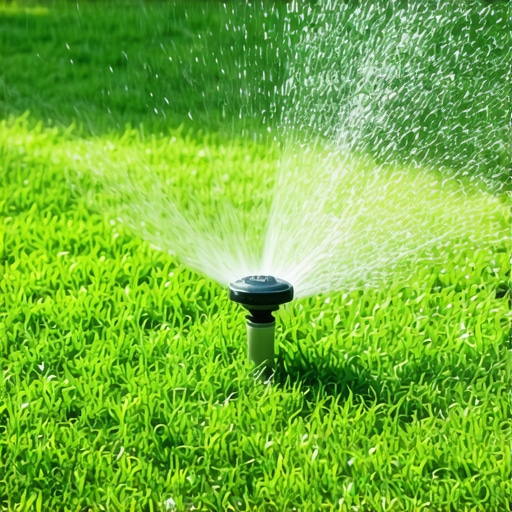
Stop watering your garden in the evening. This is the biggest mistake homeowners make. By watering at 6:00 PM, you ensure the foliage and soil surface remain wet all night long. This is an invitation for every slug in the neighborhood. Water at 5:00 AM instead. This allows the sun to dry the soil surface and the plant canopy, making the environment hostile to soft-bodied mollusks. You also need to look at your mulch. If you have 4 inches of shredded hardwood mulch, you have a slug apartment complex. Keep mulch layers to 2 inches and keep it away from the crown of the plant. Airflow is your best friend in the fight against pests.