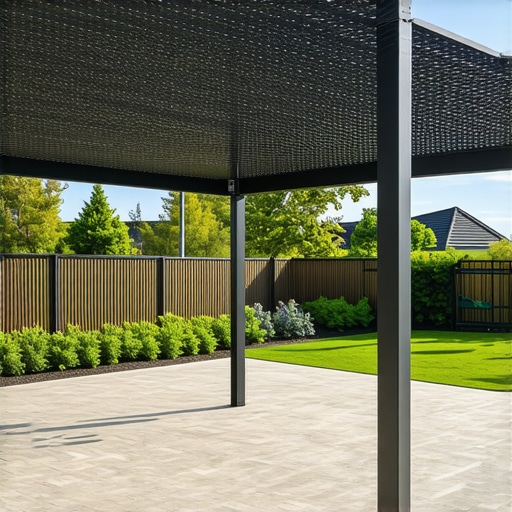
3 Ways to Keep 2026 Fire Pits Smoke-Free [Fix]
The Physics of the Fire Pit “Choke Point”: Why Smoke Happens
Smoke-free fire pits in 2026 require a precise balance of oxygen intake, combustion temperature, and fuel moisture content. By optimizing the Venturi effect through cross-ventilation and using wood with less than 20% moisture, you eliminate the incomplete combustion that creates thick, acrid smoke plumes.
I recently got called out to tear up a $30,000 patio that was sinking because the previous contractor didn’t understand hydrostatic pressure, but the real disaster was the fire pit. It was a massive, custom-built stone behemoth that looked like a king’s throne but functioned like a Victorian-era factory chimney. The homeowner spent five figures on a focal point that they couldn’t stand to be within ten feet of because the smoke was so thick. The previous ‘pro’ had built the pit directly on a solid concrete slab with no drainage and absolutely no air intake vents. It was essentially a stone bucket. When we tore it out, we found two inches of stagnant, black water sitting at the bottom and half-burnt logs that had turned into sponges. This is what happens when you treat hardscaping as a cosmetic project rather than an engineering challenge. Fire is not a decoration; it is a rapid chemical oxidation process. If you don’t feed it air from the bottom, it will suck air from the top, creating a turbulence zone that traps smoke and pushes it into your guests’ faces. We replaced it with a properly engineered unit featuring a 4-inch gravel drainage base and six perimeter air intakes. It burned clean within fifteen minutes. It’s physics, not magic.
“A retaining wall doesn’t fail because of the stone; it fails because of the water trapped behind it.” – Hardscape Engineering Axiom
Step 1: Engineering the Cross-Ventilation System (The Hardscape Fix)
A smoke-free hardscape fire pit relies on structural airflow vents at the base of the unit to feed the fire oxygen from beneath. Without these intake points, the fire starves, temperatures drop, and the wood smolders instead of combusting cleanly. You need to understand the relationship between the fuel bed and the air source. In a standard DIY stone ring, oxygen only enters from the top. As the fire heats up, the rising hot air creates a vacuum, but because the only entrance is the same place where the heat is exiting, you get a ‘choked’ flow. To fix this, you must install at least three to four vent points at the very first or second course of your wall stone. These vents should be at least 2 inches by 4 inches. This creates a chimney effect. Cool, dense air is pulled into the base, heated by the embers, and pushed upward through the logs. This increased velocity ensures that smoke particles (unburned carbon) are consumed before they can escape the pit.
How much modified gravel do I need for a fire pit base?
For a standard 48-inch fire pit, you need approximately 0.5 to 0.75 cubic yards of 2A modified gravel to create a stable, 6-inch deep compacted base. This base must extend at least 12 inches beyond the outer wall of the pit to manage hydrostatic pressure and prevent the stone from settling unevenly over time. Don’t use pea gravel; it doesn’t compact. Use a plate compactor and run it in 2-inch lifts. If the base moves, your vents will crack. Fix the base first. [IMAGE_PLACEHOLDER]
Step 2: The Seasoning Standard: Controlling Fuel Moisture
To ensure a smoke-free burn, you must use kiln-dried or well-seasoned hardwoods with a moisture content monitored by a digital moisture meter. High moisture levels (above 25%) force the fire to waste energy boiling water, resulting in low heat and heavy smoke. When you throw a log on the fire and it hisses or bubbles at the ends, you’ve already lost the battle. That sound is water turning to steam. This steam cools the fire’s core. A cool fire is a smoky fire. Most homeowners buy ‘seasoned’ wood from a guy with a truck who cut it three months ago. That’s not seasoned. Real seasoning takes 12 to 24 months of airflow and protection from rain. In 2026, we are seeing a shift toward kiln-dried birch and oak as the industry standard for high-end residential pits. It’s more expensive, but it’s the only way to guarantee a clean burn.
“Wood moisture content above 20% significantly increases particulate matter emissions and reduces thermal efficiency in residential combustion.” – USDA Forest Service Research Manual
| Wood Type | Burn Temperature | Smoke Level | Coals Quality |
|---|---|---|---|
| White Oak | High | Very Low | Excellent |
| Hickory | Very High | Low | Excellent |
| Red Pine | Medium | High | Poor |
| Green Maple | Low | Extreme | Moderate |
Step 3: Hybrid Gas-Assist and Smokeless Insert Retrofits
Retrofitting an existing pit with a dual-walled smokeless insert or a gas-assist burner creates a secondary combustion zone. This process re-burns smoke particles before they leave the pit, utilizing convection currents to pull cool air through the outer walls and ejecting it as pre-heated oxygen. These inserts are the gold standard for 2026. They feature a double-wall construction where air is heated in the cavity between the walls. This super-heated air exits through small holes at the top of the interior rim. When this hot oxygen hits the smoke, it ignites the carbon particles a second time. This is called secondary combustion. It can reach temperatures over 1,200 degrees Fahrenheit. At that heat, smoke simply disappears. If you have an existing stone pit that is a smoker, don’t tear the whole thing down. Measure the internal diameter and drop in a stainless steel X-series or similar insert. It will save your lungs and your reputation with the neighbors.
Does wood species affect smoke output in 2026 fire pits?
Yes, wood species radically impacts smoke because of resin content and cellular density. Conifers like pine and cedar contain high amounts of sap and resin which volatilize quickly, creating heavy soot and popping sparks. Hardwoods like oak, ash, or hickory have a tighter grain structure and lower resin, providing a consistent, clean-burning fuel source that produces more heat and less particulate matter. Stick to hardwoods. Period.
- Check soil drainage: Ensure the pit isn’t sitting in a low spot where water collects.
- Clear the ash: More than 2 inches of ash blocks the bottom air intake.
- Use the top-down method: Place large logs on the bottom and the kindling on top to heat the flue area quickly.
- Verify 811: Always call before digging your fire pit base to avoid utility lines.
- Monitor the wind: Orient your primary air vents toward the prevailing wind direction.
Stop listening to the big-box store employees who tell you that a bag of charcoal and some wet logs will give you a ‘vibe.’ They won’t. They will give you a headache and a yard that smells like a forest fire for three days. Landscaping is about managing the elements through engineering. If you want a fire pit that doesn’t smoke, you have to build for airflow, select the right fuel, and maintain the structural integrity of the base. Check your pH levels in the surrounding soil too; ash is highly alkaline and will kill your turf if you let it blow around. Keep it contained. Keep it hot. Keep it clean.
![Build a $80 Gravel Fire Pit Area [2026 Budget]](https://lawnmajesty.com/wp-content/uploads/2026/07/Build-a-80-Gravel-Fire-Pit-Area-2026-Budget.jpeg)