Stop 2026 Lawn Compaction with This $20 Tool
Diagnosing the Concrete Beneath Your Turf
Lawn compaction occurs when soil particles are pressed together, reducing the pore space necessary for oxygen, water, and nutrient movement to the root zone. To stop 2026 lawn compaction, the $20 tool you need is a stainless steel soil probe, which allows you to extract a core and visually inspect the soil profile for density, thatch buildup, and moisture penetration. This diagnostic step prevents the failure of expensive fertilizers and seed by identifying the physical barrier of bulk density before you waste money on inputs. If your lawn feels like a parking lot in July, you aren’t looking at a nutrient deficiency; you’re looking at a structural failure of the soil matrix.
The Apprentice Lesson: Why Soil Physics Beats Chemistry
I always drill into my new crew members: if you don’t fix the soil grading and density first, every plant you put in the ground is just expensive compost. I remember a job back in 2014 where a homeowner spent four figures on high-end fescue seed and 10-10-10 fertilizer, only to have it wash away in a light rain. The soil was so compacted it had the infiltration rate of a sidewalk. We pulled a core and found the root system was pancaked into the top half-inch. No amount of nitrogen fixes a gas exchange problem. If the roots can’t breathe, the plant dies. Period. This is the difference between a landscaper and a guy with a mower.
The Science of Bulk Density and Gas Exchange
Soil is supposed to be 50% solid matter and 50% pore space. When you drive a mower over wet clay or let the kids run a regular path across the yard, you collapse those macropores. This increases the bulk density. High bulk density stops the nitrogen cycle. Nitrifying bacteria need aerobic conditions to function. When soil is compacted, it becomes anaerobic, leading to denitrification where your expensive fertilizer literally turns into gas and disappears into the atmosphere. You are burning money because your soil is too tight.
“Soil compaction is a hidden thief of yield and health in turfgrass systems. It restricts root elongation and reduces the diffusion of oxygen to the roots, which is critical for ATP production and nutrient uptake.” – Penn State Center for Turfgrass Science
How to Use the $20 Soil Probe for Professional Results
A soil probe isn’t fancy, but it is the most honest tool in my truck. You push it 6 to 12 inches into the ground and pull out a vertical slice of your life. Step 1: Wait until the soil is slightly moist. Step 2: Drive the probe in with consistent pressure. If it stops at 2 inches, you’ve found your compaction layer. Step 3: Examine the core. Look for horizontal shearing or roots that are turning sideways rather than growing down. This is called root girdling or J-rooting. It’s a death sentence for turf in a drought. Step 4: Check the thatch. If you have more than half an inch of spongy organic matter at the top, your soil is suffocating.
Comparing Compaction Remediation Methods
| Method | Cost Factor | Efficacy | Recovery Time |
|---|---|---|---|
| Manual Core Aerator | Low ($20-$40) | High (Spot Treatment) | 48 Hours |
| Liquid Aerator (Surfactants) | Medium | Low (Temporary) | Immediate |
| Power Core Aerator | High (Rental) | Very High (Full Yard) | 7-10 Days |
| Spike Aerator | Low | Negative (Increases Compaction) | N/A |
How do I know if my lawn is compacted?
The easiest way to identify compaction without a probe is the screwdriver test. Try to push a 6-inch screwdriver into the turf with one hand. If it doesn’t sink to the handle, your bulk density is too high. Other signs include standing water after a light rain, thinning grass in high-traffic areas, and birds pecking at the surface because worms can’t migrate through the hardpack. If you see moss, it’s often a sign that the soil is too tight and wet for grass but perfect for bryophytes.
Can I fix soil compaction without a machine?
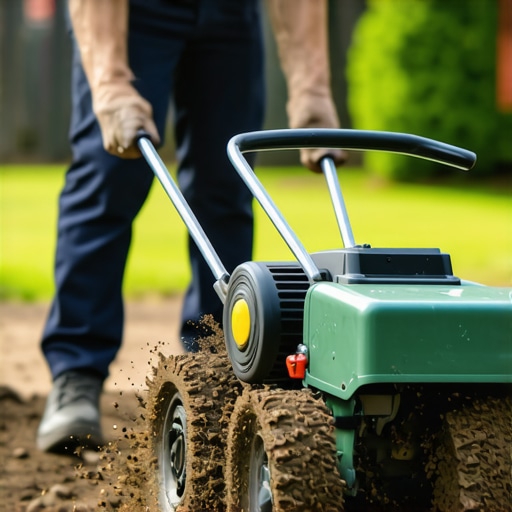
You can remediate minor compaction using a manual coring tool to pull plugs in the worst areas. Focus on the drip line of trees and along walkways. After pulling plugs, top-dress the area with a quarter-inch of screened compost or biochar. These organic materials fall into the holes and provide a structural skeleton that prevents the soil from collapsing back into its previous state. This is a long-game strategy. It takes a full growing season to see the biological shift. Never use spike shoes; they just push the soil sideways, increasing the density around the hole. You need to physically remove the core.
“Mechanical aeration via hollow-tine cultivation is the industry standard for reducing soil strength and improving gas exchange in high-traffic turf areas.” – ICPI Tech Spec 2
The 2026 Compaction Prevention Checklist
- Monitor Moisture: Never mow or walk on the lawn when the soil is saturated; this is when the most damage occurs.
- Vary Mowing Patterns: Change your direction every week to prevent wheel-rut compaction.
- Top-Dress Annually: Add 1/8 to 1/4 inch of compost to feed the microbes that naturally aerate the soil.
- Check Soil pH: Acidic soil (below 6.0) can slow down the decomposition of thatch, leading to surface sealing.
- Core Depth: Ensure your manual or power aerator is pulling plugs at least 3 inches deep.
Maintaining the Pore Space Matrix
Once you’ve opened up the soil, don’t let it settle back. The goal is to encourage deep rooting. Deep roots act like biological rebar, keeping the soil structure open. Switch from frequent, shallow watering to deep, infrequent irrigation. Aim for 1 inch of water once a week. This forces the roots to chase the moisture down into the subsoil, naturally breaking up compaction layers as they grow. If you keep the surface wet, the roots have no reason to dive. You’re essentially training your grass to be lazy and fragile. Don’t do it. Treat your soil like the engineering marvel it is, and the grass will take care of itself.