Stop 2026 Lawn Yellowing with This Iron Hack
Why Your Lawn is Turning Yellow (It’s Not Always Nitrogen)
Lawn yellowing, or iron chlorosis, occurs when your turf lacks the bioavailable iron necessary for chlorophyll production, even if the soil contains elemental iron. This 2026 iron hack focuses on using chelated iron supplements combined with soil pH adjustment to unlock nutrient uptake and restore deep green pigments without causing surge growth.
The Chemical Nightmare: A Case Study in Fertilizer Mismanagement
A homeowner called me in a panic last season after they completely torched their front lawn by applying a massive dose of granular ferrous sulfate they bought at a big-box warehouse. They thought more was better. Instead of a green lawn, they had a graveyard of crispy, orange-stained blades and soil that looked like it had been through a chemical fire. They ignored the most basic rule of soil chemistry: if your pH is off, you aren’t feeding the grass; you’re just poisoning the dirt. I had to spend three weeks flushing the soil and applying humic acids just to get the microbes back to a baseline level of activity. It was an expensive lesson in why you don’t play chemist without a soil test. The soil was sitting at a pH of 7.8, which meant that the iron they poured on was instantly locked up and became unavailable to the roots. It sat on the surface, oxidized, and burned the tissue. Don’t be that guy. Understand the science before you pull the spreader out of the garage. It will rot if you don’t fix the drainage first.
“Iron is essential for chlorophyll synthesis, but its availability to the plant decreases rapidly as soil pH increases above 7.0, leading to interveinal chlorosis.” – Penn State Agricultural Extension
The Science of Iron Chlorosis and Soil pH
Iron chlorosis is a physiological condition where a plant cannot move enough iron into its leaves. In turfgrass, this manifest as a pale yellow or lime-green color while the veins may stay slightly darker. It is not a nitrogen deficiency. If you add nitrogen to a chlorotic lawn, you will force growth that the plant cannot support, leading to a total collapse of the root system. This is about micronutrient density, not just biomass production. Most soil in suburban developments is heavily compacted and alkaline due to the limestone used in construction backfill. This alkalinity is the enemy. At a pH of 7.5 or higher, iron ions become insoluble. You can have ten pounds of iron in the soil, but the grass is starving to death. The hack isn’t just adding iron; it is about the delivery mechanism. You need to use EDDHA chelates if your pH is high, or foliar applications to bypass the soil chemistry altogether. Check your levels. Do it now.
How much iron do I need for my lawn?
To fix yellowing, apply 2 to 4 ounces of liquid chelated iron per 1,000 square feet using a calibrated sprayer. This dosage provides an immediate green-up by allowing the iron to be absorbed through the leaf stomata, avoiding the nutrient lock found in alkaline or compacted soils.
Can I apply iron in the summer?
Yes, you can apply iron in the heat of summer because, unlike nitrogen, it does not promote heat-stress-inducing growth. However, you must avoid applying it when temperatures exceed 90 degrees Fahrenheit to prevent foliar burn from the carrier salts in the liquid solution.
| Iron Type | Soil pH Compatibility | Uptake Method | Best Use Case |
|---|---|---|---|
| Ferrous Sulfate | 4.5 – 6.5 | Root/Soil | Low-cost, acidic soils |
| Iron EDTA | 6.0 – 7.0 | Root/Foliar | General maintenance |
| Iron EDDHA | 7.0 – 9.0 | Root/Soil | High alkalinity/Calcareous soil |
| Citric Acid Chelate | N/A | Foliar Only | Quick 48-hour green-up |
The 2026 Iron Hack Protocol
Stop guessing. Start measuring. The first step is a soil test that includes micronutrient analysis. If your pH is over 7.2, granular iron is a waste of money. Use the following checklist to ensure success. Every step matters. Don’t skip one.
- Test Soil pH: If above 7.0, pivot to foliar liquids or EDDHA chelates.
- Calibrate Your Sprayer: Ensure you are delivering exactly 0.1 to 0.2 lbs of actual iron per 1,000 sq ft.
- Use a Non-Ionic Surfactant: This breaks the surface tension of the water, allowing the iron to coat the leaf blade evenly.
- Mow Before Application: You want the maximum surface area of the grass blade exposed.
- Time the Application: Apply in the early morning so the product dries before the midday sun hits.
“Chelated iron sources such as Fe-EDDHA remain stable and available to plant roots in highly alkaline soils where standard ferrous sulfate would precipitate and become useless.” – Agronomy Manual: Soil Fertility and Fertilizers
Hardscaping and Drainage: The Silent Killers of Soil Health
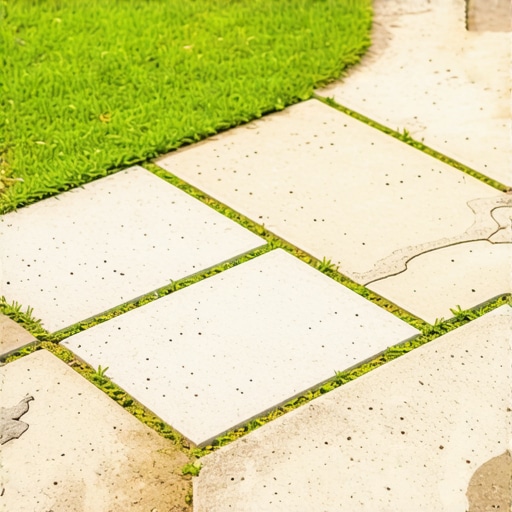
I’ve seen dozens of garden designs ruined because the hardscaping was done without a thought for hydrostatic pressure or drainage. When water sits against a patio or a retaining wall because of poor landscaping grading, it creates anaerobic conditions in the soil. Anaerobic soil stops iron uptake dead in its tracks. The roots drown, the microbes die, and the grass turns yellow. If you have a low spot near a walkway that is always yellow, it isn’t a nutrient deficiency; it’s a drainage failure. You need a French drain or a modified gravel base to move that water away. In lawn care, the chemistry is only as good as the physics of the site. I tell my crew: if the grade is wrong, the grass is gone. We use a 1% minimum slope for a reason. Soil compaction from heavy machinery during hardscaping can also cause iron issues. The roots can’t breathe, so they can’t eat. Use a core aerator to break that compaction. Go deep. At least three inches. Anything less is just poking holes in the dirt for no reason. Professional work requires professional depth.
The Long-Term Maintenance Schedule
Year-one results are easy; year-five results are hard. To keep a lawn deep green through 2026 and beyond, you must manage the thatch layer. Thatch acts like a sponge that traps your iron applications before they ever hit the soil or the lower leaf tissue. If your thatch is over half an inch, you need to power rake. This isn’t just about aesthetics; it’s about gas exchange. A healthy lawn needs oxygen at the root zone to facilitate the ion exchange necessary for nutrient absorption. Keep your blades sharp. Dull blades tear the grass, creating entry points for pathogens and increasing the stress on a chlorotic lawn. One inch of water per week, delivered in two deep sessions, is the standard. Daily light watering is for hacks. It keeps the roots shallow and the iron out of reach. Force those roots to chase the moisture down into the mineral-rich subsoil. That is where the real iron lives. “