
Stop 2026 Leaf Rust on Your Rose Garden [Step-by-Step Fix]
Diagnosing the 2026 Rose Leaf Rust Outbreak
Rose leaf rust is a fungal infection caused by the Phragmidium pathogen, manifesting as distinct orange, powdery pustules on the leaf undersides and yellow chlorotic spots on the upper surface. This moisture-dependent disease thrives in high humidity and requires a specific 10 to 12-hour leaf wetness period to germinate and colonize your garden’s Rosaceae family members.
I have spent two decades digging in the dirt and managing crews who think they can fix everything with a splash of Miracle-Gro. It does not work that way. A homeowner called me in a panic last season after they completely torched their front lawn and a $5,000 rose collection by applying a high-nitrogen lawn fertilizer in the heat of a July afternoon. They thought more food would help the roses fight the rust. Instead, the nitrogen triggered a flush of soft, succulent growth that the Phragmidium spores feasted on like a buffet. The lawn turned brown from chemical burn, and the roses looked like they had been dipped in orange Cheeto dust within a week. This is what happens when you ignore the biology of the yard. Leaf rust is not just an aesthetic blemish. It is a structural threat to the plant’s photosynthetic capacity. When those orange pustules (uredinia) appear, they are already pumping out thousands of wind-borne spores. If you do not break the cycle, the plant will defoliate by August. It will die. Don’t let it happen.
“A fungal pathogen does not require a weak host; it requires a hospitable environment where moisture and temperature align for spore germination.” – Agricultural Plant Pathology Manual
Why Your Current Rose Care Is Failing
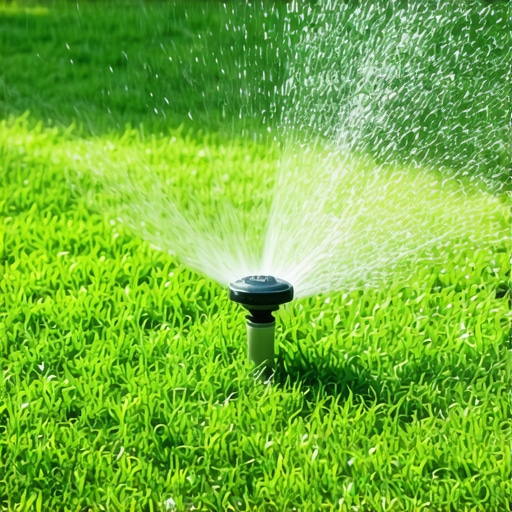
If your roses are covered in orange spots, you are likely failing at basic environmental management. Most hacks tell you to just spray a fungicide and walk away. That is garbage advice. Rust happens because of poor air exchange and improper irrigation timing. If you are watering your roses at 8:00 PM with an overhead sprinkler, you are basically hand-delivering the disease to the foliage. The water sits on the leaves all night, providing the exact incubation period the spores need. Stop it. You need to focus on the horticultural physics of the garden bed. This includes soil pH, which should sit between 6.0 and 6.5 for optimal nutrient uptake, and the physical spacing of the canes. If the center of your rose bush is a tangled mess of stems, air cannot move. Stagnant air equals high humidity. High humidity equals rust.
How much air circulation do roses need to prevent rust?
Rose bushes require at least 12 to 18 inches of clearance between the outer canopy and any adjacent hardscaping or plant material to facilitate laminar air flow. This movement of air reduces the boundary layer of humidity around the leaf, significantly lowering the infection pressure from fungal spores.
| Control Method | Action Mechanism | Best Use Case |
|---|---|---|
| Sulfur Dust/Spray | Lowers surface pH to inhibit spore germination | Preventative early spring application |
| Neem Oil (70%) | Physical suffocation of spores and mycelium | Organic management for minor outbreaks |
| Myclobutanil | Systemic disruption of ergosterol biosynthesis | Severe infections requiring curative action |
| Potassium Bicarbonate | Alkaline shift that bursts fungal cell walls | Low-toxicity curative for active rust |
The Step-by-Step 2026 Remediation Process
1. The Forensic Prune. Grab your bypass pruners. Do not use anvils; they crush the vascular tissue. Sanitize the blades with 70% isopropyl alcohol between every single cut. Remove any leaf showing signs of orange or black spots. If a cane is crossing into the center, cut it. Open the plant up. It should look like a skeletal vase. 2. Soil Sanitization. The spores live in the leaf litter. Rake every single dead leaf out of that bed. Do not compost them. Put them in a heavy-duty trash bag and get them off your property. 3. The Mulch Barrier. Apply a 3-inch layer of triple-shredded hardwood mulch. Do not pile it against the root flare. This creates a physical barrier that prevents spores from splashing from the soil back onto the lower leaves during rain events. 4. Targeted Nutrition. Stop the high-nitrogen inputs. Switch to a fertilizer with a higher potassium (K) ratio to thicken the cell walls of the leaves. Thick leaves are harder for the fungal hyphae to penetrate.
What is the best fungicide for rose leaf rust in 2026?
The most effective fungicidal treatment for rose rust is a rotation of myclobutanil and tebuconazole, applied every 7 to 14 days during the high-pressure spring season. Rotating these chemical classes prevents the Phragmidium fungus from developing resistance to a single mode of action.
“Effective disease management in perennial ornamentals relies on the integration of sanitation, host resistance, and the strategic application of protective barriers.” – Horticultural Science Extension Bulletin
- Check your drainage: Standing water near the base increases ambient humidity.
- Calibrate your shears: A jagged cut is an entry point for pathogens.
- Test your soil: High phosphorus can block iron uptake, weakening the plant.
- Monitor the weather: If a 3-day rain event is coming, spray your preventative before the first drop hits.
Landscape engineering is not about making things look pretty for a weekend. It is about building a system that can withstand biological pressure. If you build a rose garden without considering the prevailing wind direction or the proximity to heat-retaining hardscapes like concrete patios, you are setting yourself up for a $300-a-month chemical bill. I have seen $30,000 patios ruined because the designer didn’t think about how the water runoff would create a swamp in the adjacent rose beds. Water must move. Air must move. If you fix the grading and the air exchange, the rust goes away. It is physics. It is biology. Don’t be a hack. Do the work correctly the first time.
![Stop Killing Your 2026 Azaleas: 3 Clay Soil Drainage Hacks [Zone 7]](https://lawnmajesty.com/wp-content/uploads/2026/05/Stop-Killing-Your-2026-Azaleas-3-Clay-Soil-Drainage-Hacks-Zone-7.jpeg)
![Stop 2026 Boxwood Blight with These 3 Pruning Rules [Zone 7]](https://lawnmajesty.com/wp-content/uploads/2026/05/Stop-2026-Boxwood-Blight-with-These-3-Pruning-Rules-Zone-7.jpeg)
![Why Your 2026 Drip Emitters Keep Clogging [Fix]](https://lawnmajesty.com/wp-content/uploads/2026/06/Why-Your-2026-Drip-Emitters-Keep-Clogging-Fix.jpeg)
![Stop 2026 Leaf Rust on Your Rose Bushes [Fix]](https://lawnmajesty.com/wp-content/uploads/2026/07/Stop-2026-Leaf-Rust-on-Your-Rose-Bushes-Fix.jpeg)