Stop 2026 Boxwood Blight with This One Pruning Technique
The Pathological Reality of Boxwood Blight in Modern Landscaping
Boxwood Blight is a devastating fungal infection caused by the pathogen Calonectria pseudonaviculata that effectively liquefies the leaf tissue of Buxus species within days of initial contact. To stop this in 2026, professional landscaping requires a shift from aesthetic shearing to aggressive internal thinning to facilitate rapid leaf surface drying.
I always drill into my new crew members: if you don’t fix the soil grading and airflow first, every plant you put in the ground is just expensive compost. Last season, I walked onto a property where a ‘mow-and-blow’ crew had been ‘shaping’ the boxwoods for five years using electric hedge trimmers. From the outside, they looked like green gumdrops. I reached my hand into the center of a three-foot Buxus sempervirens and pulled out a handful of grey, rotting slime. The interior was a dead zone of trapped humidity and fungal hyphae. That is the result of prioritizing shape over biology. We had to rip out $12,000 worth of English Boxwoods because nobody bothered to let the plant breathe. This is why specialized garden design must account for the microscopic movement of spores, not just the visual symmetry of the hedge.
“Boxwood blight is a major threat to the nursery and landscape industry because the fungus produces sticky spores that are easily moved by tools, clothing, and splashing water.” – Penn State Extension
The Forensic Diagnosis: Why Your Hedges are Dying
The lawn care industry often ignores the correlation between irrigation timing and fungal sporulation, leading to systemic failures in high-end shrubbery. Most homeowners see brown spots and think ‘water.’ They increase the irrigation, which is exactly what Calonectria wants. The fungus thrives in temperatures between 64 and 77 degrees Fahrenheit. When you have a dense canopy, the interior stays wet for 12 to 24 hours after a rain or irrigation cycle. That moisture window is the kill zone. Look for black, diamond-shaped cankers on the stems. If you see those, the plant is already a walking corpse. You need to understand the hardscaping relationship here too: if your patio isn’t graded to move water away from the planting beds, the hydrostatic pressure keeps the root zone saturated, stressing the plant and making it a primary target for infection.
| Symptom | Boxwood Blight | Boxwood Leafminer | Winter Bronzing |
|---|---|---|---|
| Leaf Color | Dark brown/black spots | Yellow/Orange swelling | Reddish-brown/Bronze |
| Stem Cankers | Black longitudinal streaks | None | None |
| Defoliation | Rapid and severe | Minor/Localized | Leaves stay attached |
| Cause | Fungal Pathogen | Insect Larvae | Environmental Stress |
The One Technique: Internal Thinning (Plucking)
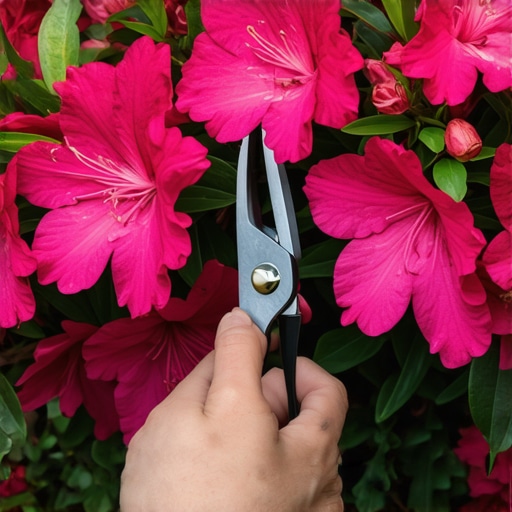
To prevent blight, you must abandon the hedge trimmers and adopt the ‘plucking’ method, which involves removing 10 to 15 percent of the internal branches to create air tunnels throughout the shrub. This isn’t about thinning the top. It’s about reaching into the guts of the plant. Use bypass pruners to take out small, 4-inch sections of growth. You want ‘windows’ of light hitting the main stems. If a bird can’t fly through your boxwood, it’s too dense. This technique forces the plant to dry out in 30 minutes instead of six hours. It stops the spores from germinating. It is a biological engineering solution to a pathological problem.
How do I identify boxwood blight early?
Early identification of boxwood blight requires inspecting the lower interior of the canopy for circular brown lesions with dark borders and black stem streaks. Use a jeweler’s loupe to check the underside of leaves for white, fuzzy sporulation during periods of high humidity. [IMAGE_PLACEHOLDER] Early detection allows for immediate quarantine before the ‘sticky’ spores spread via landscaping tools to the rest of the property.
Pruning Checklist for 2026 Blight Prevention
- Sterilize tools with 70 percent isopropyl alcohol between every single plant. No exceptions.
- Avoid pruning during rain or when the foliage is wet from morning dew.
- Remove the top 2 inches of leaf litter/mulch and replace it with fresh, hardwood mulch to bury resting spores.
- Thin the canopy until you can see the internal branch structure from a distance of three feet.
- Direct irrigation only to the root zone; never use overhead sprinklers on boxwoods.
How much modified gravel do I need for a patio base?
While discussing the environment around your boxwoods, remember that drainage is king. For a standard 10×10 patio, you need approximately 4 to 5 tons of 21A or CR-6 modified gravel to create a 6-inch compacted base. This ensures water moves vertically through the soil profile and doesn’t sit against the root flare of your foundation plantings, which is the number one cause of root rot and subsequent blight vulnerability. If your hardscaping isn’t right, your garden design will never survive a wet spring.
“Effective drainage systems are the first line of defense in protecting structural masonry and ornamental horticulture from water-borne pathogens.” – ICPI Technical Manual
I have seen it a thousand times. A homeowner spends $50,000 on a new backyard but skips the drainage. Then they wonder why their lawn care costs triple when the fungus takes over. Stop thinking about your yard as a static picture. It is a fluid system. High-nitrogen fertilizers (like the cheap stuff from big-box stores) cause a flush of ‘succulent’ growth. This soft, new growth is like candy to blight. Use slow-release organic fertilizers that build cell wall strength rather than just forcing green height. It’s about the thickness of the leaf cuticle. A thick cuticle is a physical barrier the fungus can’t easily penetrate. Be precise. Be aggressive with your thinning. Keep your tools clean. That is how you win in 2026.