The Secret to a Crystal Clear Koi Pond Without Chemicals
The Biological Reality of Crystal Clear Koi Ponds
Establishing a crystal clear koi pond without chemicals requires the precise engineering of a biological nitrogen cycle where nitrifying bacteria (Nitrosomonas and Nitrobacter) neutralize ammonia and nitrites, while aquatic plants and bog filters strip nitrates from the water column to prevent algal blooms. Success depends on surface area colonization and dissolved oxygen levels rather than synthetic additives.
I always drill into my new crew members: if you don’t fix the soil grading and the biological load first, every plant you put in the ground is just expensive compost. I remember an apprentice, eager to please, who thought a ‘bigger pump’ was the answer to a tea-colored pond. He didn’t realize that the pump was just circulating toxic sludge faster. I had to sit him down and explain that a pond is not a pool; it is a digestive system. If the ‘stomach’—the bio-filter—is undersized for the ‘input’—the fish waste—the system fails. Period. We don’t use chemicals to fix a broken stomach; we fix the diet and the digestion. That means calculating the exact square footage of biological media needed to handle the specific protein intake of the koi. Anything less is just amateur hour.
“A natural pond ecosystem relies on the balance of nutrient inputs and outputs; when the biological filter’s surface area exceeds the waste production of the fish population, water clarity is achieved through competitive inhibition of algae.” – Agricultural Extension Water Quality Manual
The Engineering Logic of Bog Filtration
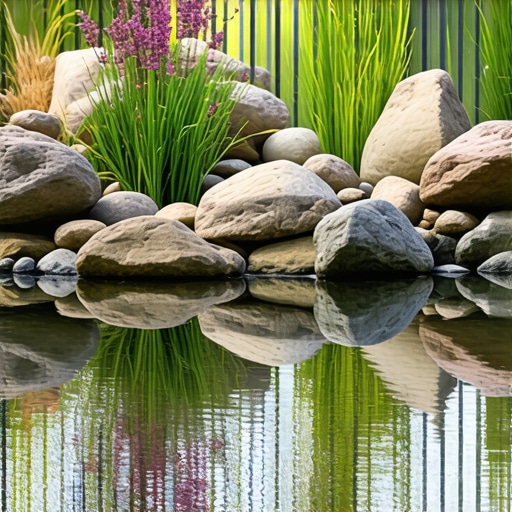
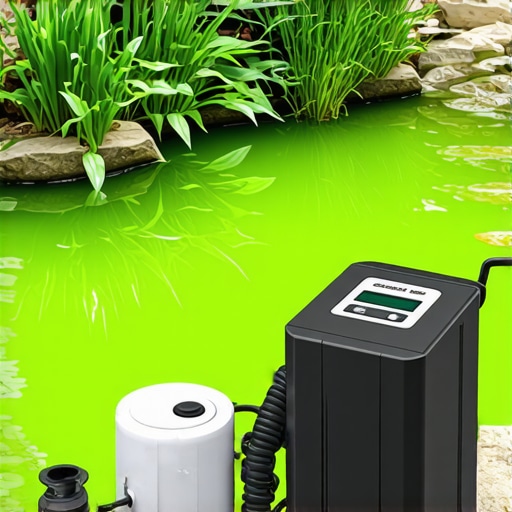
A bog filter acts as the primary nutrient sink for a koi pond by forcing water through a permeable gravel substrate where macrophytes (plants) and aerobic bacteria remove nitrogenous waste and phosphorus. This upflow system ensures that debris is trapped and broken down before it can fuel unicellular algae growth.
Most ‘mow-and-blow’ outfits will tell you to just throw in some barley straw or a bottle of blue dye. That’s garbage. To get real results, you need to understand hydrostatic pressure and the flow-through rate. A proper bog filter should be roughly 10% to 15% of the surface area of the main pond. We use a modified gravel base, typically 3/8-inch pea gravel, layered over a distribution manifold of 2-inch PVC. This creates a low-velocity zone where solids settle out and the roots of species like Iris pseudacorus or Typha can go to work. It’s civil engineering applied to a backyard. The pump shouldn’t just move water; it should move water through a microbial furnace. If your pump isn’t turning over the total pond volume at least once every hour through that bog, you’re just wasting electricity.
How do I clear up green pond water naturally?
Natural clearance of green water requires starving the algae of nutrients by increasing floating plant coverage to 60% of the surface and installing a high-surface-area bio-filter. This creates a nutrient-deficient environment for the algae while providing a carbon source for beneficial microbes.
| Filter Media Type | Surface Area (Sq. Ft. per Cu. Ft.) | Maintenance Frequency | Primary Function |
|---|---|---|---|
| Lava Rock | 30 – 50 | High (Clogs easily) | Biological Colonization |
| Matala Mats | 150 – 250 | Low | Mechanical & Biological |
| Bio-Balls | 100 – 160 | Medium | Aerobic Nitrification |
| Pea Gravel (Bog) | Variable | Very Low | Nutrient Uptake & Sequestration |
The Physics of Oxygen and Water Flow
Maintaining high dissolved oxygen (DO) levels is critical because the nitrification process is highly aerobic, requiring roughly 4.3 mg of oxygen for every 1 mg of ammonia oxidized. Without venturi injectors or waterfall aeration, the biological filter will shift to an anaerobic state, producing toxic hydrogen sulfide.
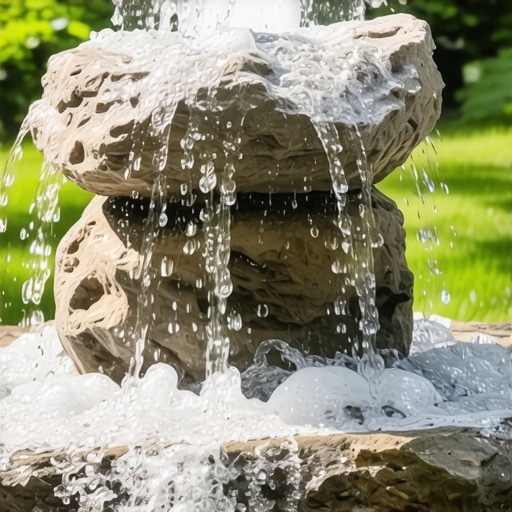
It will rot. If you don’t have enough gas exchange, the bottom of your pond becomes a dead zone. I’ve seen $50,000 installations ruined because the designer thought a quiet trickle was enough. You need turbulence. You need the water to literally smash against the rocks to break the surface tension and allow for oxygen diffusion. We measure this in PSI and GPH. A koi pond isn’t a static feature; it’s a dynamic machine. If you aren’t seeing bubbles at the surface, your bacteria are suffocating, and your koi will follow suit. This is why we use 45-mil EPDM liners and never skip the underlayment. Any shift in the ground that causes a leak drops the water level, reduces the volume, and spikes the ammonia concentration instantly. Don’t skip the structural prep.
What is the best depth for a koi pond to maintain water quality?
The ideal depth for a stable koi pond is 3 to 4 feet, as this thermal mass prevents rapid temperature fluctuations that stress the fish’s immune systems. Deeper water also creates a stratification layer that helps maintain water clarity by keeping cooler, denser water at the bottom.
- Test Water Weekly: Use a liquid reagent kit for ammonia, nitrite, and pH.
- Clean Skimmer Baskets: Do this daily to prevent organic load buildup.
- Prune Aquatic Plants: Remove dead leaves before they sink and turn into muck.
- Monitor Fish Behavior: Gasping at the surface indicates low oxygen levels.
- Check Pump Pressure: A drop in flow means the mechanical filter is bypassed or clogged.
“Structural failure in pond retaining walls is almost always a result of hydrostatic pressure from improper backfilling rather than the weight of the water itself.” – Hardscape Engineering Axiom
Chemical-Free Maintenance Protocol
Long-term clarity is maintained through sludge management and the reduction of organic inputs, meaning you must avoid overfeeding and ensure that lawn fertilizer runoff never enters the pond perimeter. This is achieved through peripheral grading and berm construction to redirect nitrogen-heavy rainwater away from the basin.
While the internet tells you to water every day, turf grass actually needs deep, infrequent watering—exactly 1 inch per week—to force roots to chase the water down. The same logic applies to your pond’s perimeter. If you saturate the ground around the pond, you’re just pushing minerals into the water. We build a ‘hardscape barrier’—usually a mix of 6-inch fieldstone and polymeric sand—to ensure that the yard and the pond stay separate. It’s about containment. If you let your lawn care habits dictate your pond health, you’ve already lost. Use a dedicated pond vacuum once a season to pull out the ‘fines’ that the filter missed. It’s hard work. It’s dirty. But it’s the only way to avoid the chemical cycle that kills fish and ruins the ecology. Don’t be lazy with the mechanical extraction. It won’t disappear on its own.