Build a $300 Rain Garden to Stop 2026 Yard Flooding
Engineering the Perfect Stormwater Solution on a Budget
I always drill into my new crew members: if you don’t fix the soil grading first, every plant you put in the ground is just expensive compost. Most homeowners see a puddle and think they need a bigger drain pipe, but pipes just move the problem. A rain garden solves it. It is not a pond; it is a biological sponge designed to handle the hydraulic load of your specific roofline. When we talk about 2026 weather patterns, we are looking at increased flash-rain events where three inches of water fall in sixty minutes. Your lawn cannot handle that. It will drown.
The Science of Infiltration and Site Selection
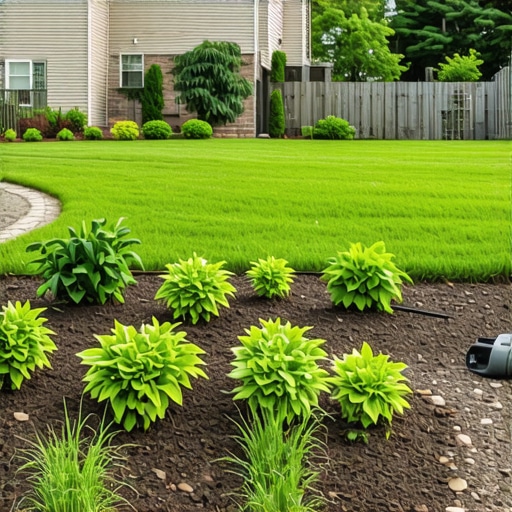
A rain garden is a strategic depressed landscape feature designed to capture, filter, and infiltrate stormwater runoff from impervious surfaces like roofs and driveways. By utilizing engineered soil mixes and deep-rooted native plants, it prevents localized flooding and reduces nonpoint source pollution in residential zones.
How do I know if my soil can handle a rain garden?
You cannot guess at drainage. You must perform a percolation test. Dig a hole 12 inches deep and 12 inches wide. Fill it with water and let it saturate overnight. The next day, fill it again and measure the drop. If it drains less than half an inch per hour, your soil is too compacted or heavy in clay for a standard install. You will need to excavate deeper and replace the subgrade. Dirt is not just dirt. It is a matrix of minerals and pore space. If those pores are collapsed, the water stays on top. Physics wins every time.
“Rain gardens are effective at removing up to 90% of nutrients and chemicals and up to 80% of sediments from rainwater runoff.” – Mid-Atlantic Field Guide to Rain Gardens
The $300 Budget: Where to Spend and Where to Scrimp
Building an effective system for $300 requires tactical resource allocation. You do not buy five-gallon pots. You buy plugs. You do not hire a machine; you use a sharp spade and your back. The bulk of your budget goes to the engineered soil mix and the overflow stone. The rest is sweat equity.
| Material | Purpose | Estimated Cost |
|---|---|---|
| Hardwood Mulch | Moisture retention and weed suppression | $45 (Bulk delivery) |
| Native Plant Plugs | Root depth and water absorption | $120 (30-40 plugs) |
| Engineered Soil | Sand/Compost/Topsoil mix for infiltration | $80 (2 cubic yards) |
| River Rock (2-4″) | Energy dissipation at the inflow/overflow | $35 (5 bags) |
| PVC/Flexible Pipe | Directing downspout to the basin | $20 |
Do not buy dyed mulch. It is trash. It leaches chemicals into the very water you are trying to clean. Use double-shredded hardwood. It knits together and will not float away when the basin fills. If your mulch floats, your design failed.
The Ground-Up Build: Excavation and Grading
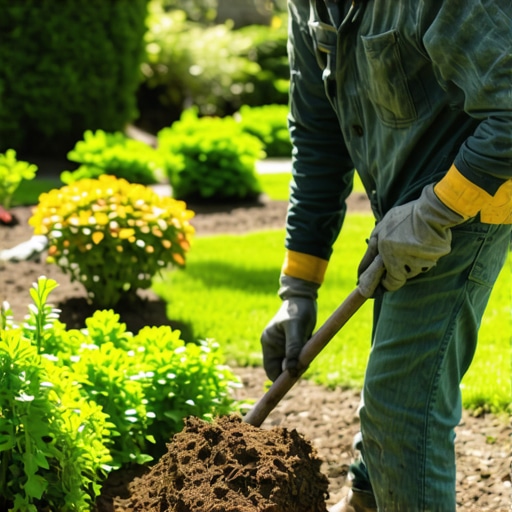
The garden must be at least ten feet from your foundation. Any closer and you are just inviting hydrostatic pressure to crack your basement walls. You are looking for a gentle depression, not a canyon. The bottom must be level. Not “close enough,” but dead-on level. If one side is lower, the water overflows before the basin is full. It creates a gully. Then you have an erosion problem instead of a drainage solution. You are an engineer here, not a gardener.
How much modified gravel do I need for a patio base?
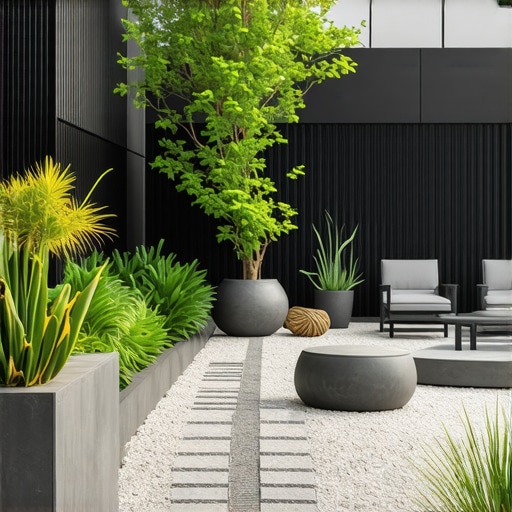
While a rain garden is biological, the surrounding hardscape needs support. For a standard 10×10 patio area adjacent to a garden, you need approximately 2.5 tons of 2B modified gravel to create a 4-inch compacted base. Do not skip the plate compactor. Hand-tamping is for amateurs. If the base moves, the pavers move. It is that simple.
Plant Selection and Biological Load
You need plants that can handle “wet feet” for 24 hours but also survive a two-week August drought. This is where native sedges and deep-rooted perennials come in. Native plants like Asclepias incarnata or Carex species have root systems that go five feet deep. These roots create macropores in the soil. They are the conduits that pull the water down. Turf grass roots are three inches deep. They are useless in a flood. Use the following checklist to ensure your garden survives the first year:
- Post-Storm Check: Ensure the basin drains within 24-48 hours. If water stands for 3 days, you have a mosquito nursery, not a rain garden.
- Sediment Removal: Clear out the debris at the inflow pipe every month. Silt will clog your soil pores.
- Weed Management: Keep the area clear until the native plugs fill in. Once they canopy over, your work is mostly done.
- Berm Integrity: Check the downhill side of your garden for leaks or weak spots after every major rain event.
“A rain garden is a functional landscape, not just an aesthetic one; its primary job is the management of hydraulic head and nutrient sequestration.” – ASLA Sustainable Design Manual
The 2026 Outlook: Why Maintenance Matters Now
A rain garden is a living system. It takes two seasons to reach full maturity. If you build it now, by 2026, the root systems will be robust enough to handle those massive spring deluges. The first year is about survival. The second year is about performance. Do not over-fertilize. You want the plants to search for nutrients in the runoff. If you feed them, they get lazy. Lazy roots do not drain water. Keep it lean. Keep it functional. Stop the flooding at the source. It is your property; own the water that falls on it.