Stop 2026 Mulch Mold with This Vinegar Spray Hack
Stop 2026 Mulch Mold with This Vinegar Spray Hack: A Professional’s Guide to Slime Mold and Fungal Control
You wake up, walk out to the driveway, and see it: a bright yellow, viscous blob sitting on top of your premium hardwood mulch. It looks like a stray dog had a rough night on your flower bed. This is Fuligo septica, commonly known as ‘dog vomit slime mold.’ While homeowners panic, thinking their soil is toxic, a veteran landscaper sees a symptom of poor gas exchange and excessive moisture. It is not a death sentence for your garden, but it is a sign that your ‘mow-and-blow’ crew or your DIY instincts have failed the basic laws of soil physics. Dealing with mulch mold requires more than just a rake; it requires a chemical intervention that resets the pH balance of the surface layer without nuking your soil microbiology. That is where the vinegar spray hack comes in. It is cheap, effective, and scientifically sound when applied with precision.
What is Mulch Mold and Why Does it Grow?
Mulch mold and fungal blooms are caused by high moisture levels, low airflow, and a carbon-to-nitrogen imbalance in decomposing organic matter. These organisms, ranging from slime molds to the predatory artillery fungus, thrive in environments where the mulch is too thick, typically exceeding three inches in depth. I always drill into my new crew members: if you don’t fix the soil grading and mulch depth first, every plant you put in the ground is just expensive compost. I’ve seen guys dump fresh mulch over old, decaying layers until the root flares of the trees are buried six inches deep. That is a recipe for root rot and a breeding ground for Sphaerobolus stellatus. When you create a hydrophobic mat of decomposing wood, you trap heat and moisture. Nature sends in the fungi to break it down. You aren’t just fighting a ‘look,’ you are fighting the natural decomposition cycle of the earth. If you want to stop it, you have to change the environment.
“Mulch that remains saturated for extended periods encourages the growth of nuisance fungi, including slime molds and bird’s nest fungi, which thrive on the high-carbon content of wood-based mulches.” – Penn State Extension Agronomy Manual
The Vinegar Spray Hack: The Science of Acetic Acid
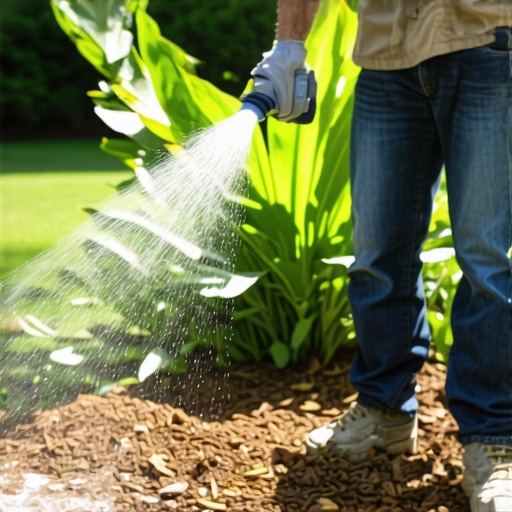
The vinegar spray hack works by utilizing 5% to 10% acetic acid to drastically lower the surface pH, which kills the fruiting bodies of slime molds and common fungi on contact. This localized acid bath disrupts the cellular membranes of the mold without the need for toxic commercial fungicides that can leach into the groundwater. However, do not spray this blindly. Vinegar is a non-selective desiccant. If you get it on your hostas or your prized boxwoods, it will burn the foliage. You are targeting the mold, not the garden. Use a targeted spray bottle and apply it during the heat of the day. The combination of acetic acid and UV radiation from the sun accelerates the desiccation process. It will turn the mold from a vibrant, scary yellow to a brittle, brown crust in hours. Once it’s dry, you can rake it out and dispose of it. Do not leave the dead mold in the bed; its spores are resilient and will wait for the next rain to reboot the colony.
How do you kill fungus in garden mulch permanently?
Permanent control requires reducing the mulch depth to a maximum of two inches and switching to a larger-nugget bark which allows for better gas exchange. Most people buy finely shredded mulch because it looks ‘clean,’ but it mats down like felt. This felt layer prevents the soil from breathing. When the soil can’t breathe, anaerobic conditions develop at the base, and fungi move in to colonize the top. I recommend a yearly ‘fluffing’ of the mulch with a pitchfork. This breaks up the mycelial mats before they can send up fruiting bodies. If you have a recurring problem, you likely have a drainage issue or a broken irrigation head that is constantly saturating the area. Fix the leak, fix the mold.
Is vinegar safe for plants when killing mulch mold?
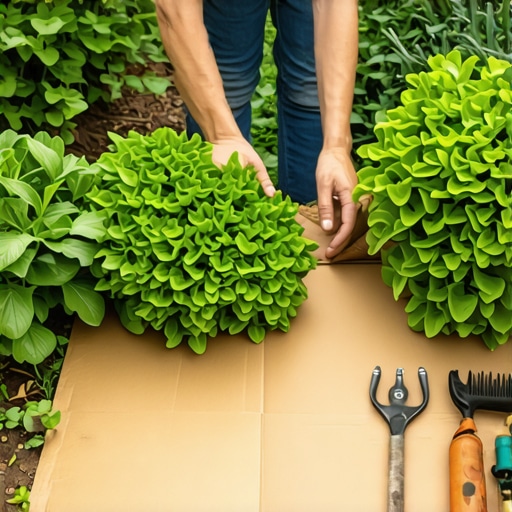
Vinegar is only safe if it does not touch the green tissue of your plants. It is an acid. In the world of landscaping, we use high-strength vinegar as an organic herbicide. To protect your plants while treating mulch mold, use a cardboard shield or a plastic barrier to isolate the mold colony. Spray only enough to saturate the fungal growth. If you accidentally hit a plant, drench it with water immediately to dilute the acid and wash it into the soil where it will be neutralized by the soil’s natural buffering capacity. Precision is the difference between a clean garden and a dead one.
| Mulch Type | Fungal Resistance | Decomposition Rate | Best Use Case |
|---|---|---|---|
| Shredded Hardwood | Low | Fast | Sloped areas (it sticks) |
| Cedar Bark | High | Slow | Natural pest/fungal repellant |
| Pine Nuggets | Medium | Moderate | Large garden beds with high airflow |
| Cypress Mulch | High | Very Slow | Wet areas (resists rot) |
The Engineering of a Healthy Garden Bed
Proper garden bed engineering involves maintaining a 2% slope away from the house and ensuring mulch layers do not exceed two inches in depth to prevent moisture entrapment. When I walk a site, the first thing I check is the grade. If the bed is bowl-shaped, it will hold water like a bathtub. No amount of vinegar will save you from a bathtub garden. You need to excavate, re-grade, and perhaps even install a French drain if the hydrostatic pressure is high enough. In 2026, we are seeing more extreme weather patterns. Heavy rain followed by intense heat is the ‘fungal window.’ If your mulch is a dense, five-inch-thick mat of dyed wood chips, you are basically building a fungal incubator. Switch to a high-quality pine bark or a triple-ground cedar. These materials have natural resins that slow down the fungal colonization. They cost 30% more at the nursery, but they save you $2,000 in labor and plant replacement costs down the line. Quality isn’t expensive; it’s an investment in not having to do the job twice.
- Inspect irrigation: Check for broken heads or over-spray that keeps the mulch constantly wet.
- Measure depth: Use a ruler. Anything over 3 inches must be thinned out.
- Monitor pH: Keep soil pH in the range appropriate for your plants; highly acidic soil can sometimes favor specific fungal types.
- Remove ‘Volcanoes’: If mulch is piled against tree trunks, pull it back 4 inches. Root flares must be visible.
“A retaining wall doesn’t fail because of the stone; it fails because of the water trapped behind it. The same logic applies to your mulch beds; trapped water is the enemy of stability and health.” – Hardscape Engineering Axiom
The Maintenance Schedule for 2026
Don’t wait for the mold to appear. In early spring, before the first heavy rains, apply a light dusting of horticultural lime to areas that have historically seen slime mold. This raises the surface pH and makes the environment less hospitable for fungal spores. If you see the mold starting to form, hit it with the vinegar spray immediately. Do not wait for it to ‘go to seed.’ Artillery fungus is particularly nasty; it shoots black, tar-like spores onto your house siding that are nearly impossible to remove without damaging the paint. By the time you see the black dots, the battle is lost. Prevention through moisture management and the occasional acidic ‘reset’ is the only way to maintain a high-end landscape. It requires calloused hands and a willingness to get down in the dirt to check the moisture levels at the soil-mulch interface. Don’t be the homeowner who ignores the ‘dog vomit’ until it’s a yard-wide epidemic. Take action now. Use the vinegar. Control the water. Win the season.
![Why Your 2026 Hydrangeas Won't Bloom [Soil Fix]](https://lawnmajesty.com/wp-content/uploads/2026/07/Why-Your-2026-Hydrangeas-Wont-Bloom-Soil-Fix.jpeg)