How to Fix 2026 Flagstone Gaps with Stone Dust
The Visual Failure of the Flagstone Joint
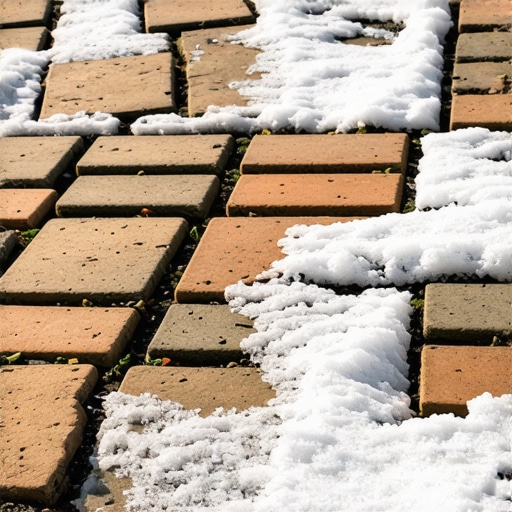
You see it every spring: the once-tight joints of a flagstone walkway have turned into ragged trenches of mud and opportunistic weeds. The stones might even rock slightly when you step on them. This isn’t just a cosmetic issue; it is a structural warning. When gaps open in your hardscaping, they act as funnels for surface water, directing it straight into your base layers. Once that moisture hits the subgrade, the freeze-thaw cycle begins its slow-motion demolition of your investment. Fix it now, or you will be replacing the whole patio by 2027.
The Hardscape Autopsy: Why Patios Fail
I recently got called out to tear up a $30,000 patio that was sinking because the previous contractor used a ‘mow-and-blow’ approach to hardscaping. They laid expensive Pennsylvania Bluestone over a thin layer of uncompacted topsoil and filled the gaps with cheap playground sand. Within two seasons, the sand washed out, the soil saturated, and the entire 800-square-foot surface looked like a topographical map of the Himalayas. We had to excavate the entire mess. The failure wasn’t the stone; it was the interface. If you don’t understand the relationship between particle angularity and compaction, you shouldn’t be touching a shovel. It is a lesson I drill into my crew every Monday morning.
How to Fix 2026 Flagstone Gaps with Stone Dust
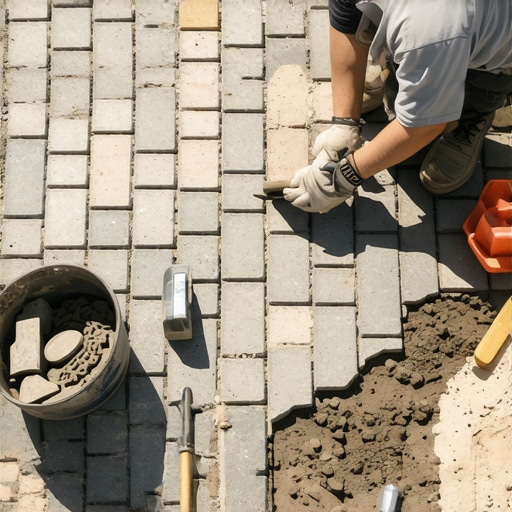
To repair flagstone gaps with stone dust, you must first remove all organic debris and loose old filler to a depth of at least 2 inches. Fill the voids with clean, angular stone screenings (stone dust) in 1-inch increments, and mechanically compact the material or hand-tamp it to 95% density to prevent future washout and shifting. Using stone dust, specifically #10 screenings, provides the angular interlocking necessary to resist the lateral forces of foot traffic and heavy rains.
“A retaining wall doesn’t fail because of the stone; it fails because of the water trapped behind it.” – Hardscape Engineering Axiom
The Engineering of Stone Dust vs. Polymeric Sand
Not all ‘dust’ is created equal. In the world of hardscaping, we distinguish between limestone screenings and granite dust. Limestone is often preferred for its slightly alkaline nature, which can inhibit certain types of moss growth, though it can also ‘set up’ almost like weak concrete if it contains enough fines. Granite dust is more inert and offers superior drainage. The key is the ‘fines’ content. If there is too much flour-like dust, the joint becomes impermeable and will crack. If there is too little, the particles won’t lock together. We are looking for a specific gradation that allows for microscopic drainage while maintaining a high friction angle between the particles.
| Material Type | Interlocking Strength | Drainage Rating | DIY Difficulty |
|---|---|---|---|
| Stone Dust (#10) | High (Angular) | Moderate | Medium |
| Polymeric Sand | Very High (Chemical) | Low | High |
| Masonry Sand | Low (Round) | High | Low |
| Pea Gravel | None | Excellent | Very Low |
How much stone dust do I need for my patio?
Calculating material for gaps is trickier than calculating for a base. For a standard flagstone patio with 1-inch joints, you can expect to use approximately 0.5 to 0.75 pounds of stone dust per square foot of patio surface, assuming a 2-inch repair depth. Always buy 20% more than you think you need. Stone dust compacts significantly. If you aren’t seeing the volume drop as you tamp it down, you aren’t compacting it enough. Compacted stone dust should feel like a solid floor, not a soft beach.
Will stone dust stop weeds from growing?
Stone dust does not inherently kill weeds, but it creates a hostile environment for them. Weeds in flagstone joints usually don’t come from the soil below; they come from wind-blown seeds that find a home in the organic matter (dirt and leaf litter) that collects on top of loose filler. By using a compacted stone dust, you eliminate the soft ‘bedding’ where seeds can germinate. Furthermore, the high mineral content and lack of organic nutrients in clean screenings make it difficult for root systems to establish. If you keep the joints clean of debris, the weeds won’t stand a chance.
The Step-by-Step Remediation Process
Don’t just pour dust into the cracks and call it a day. That is how hacks work. Follow this protocol to ensure the repair lasts a decade.
- Excavation: Use a narrow trowel or a pressure washer (carefully) to clear out the gaps. You need a clean vertical edge on the stone for the dust to grip.
- Moisture Check: Ensure the base is damp but not saturated. Bone-dry stone dust is harder to compact, while slurry-wet dust will just smear and stain your flagstone.
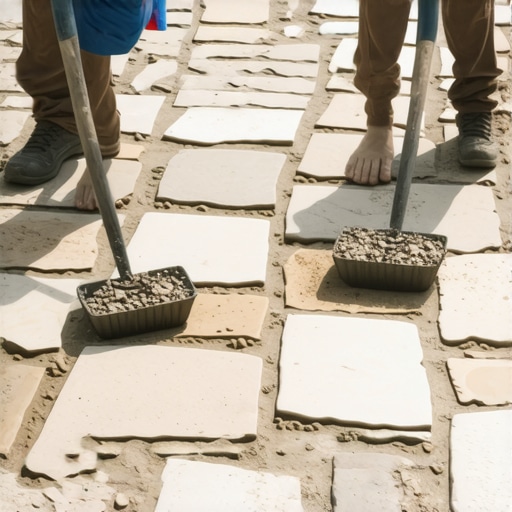
- The First Lift: Add 1 inch of stone dust. Spread it with a stiff broom.
- Compaction: This is where most people fail. For small repairs, use a hand tamper. For large areas, use a plate compactor with a protective mat to avoid cracking the flagstone.
- The Final Lift: Add the remaining material until it is 1/8th of an inch below the stone surface.
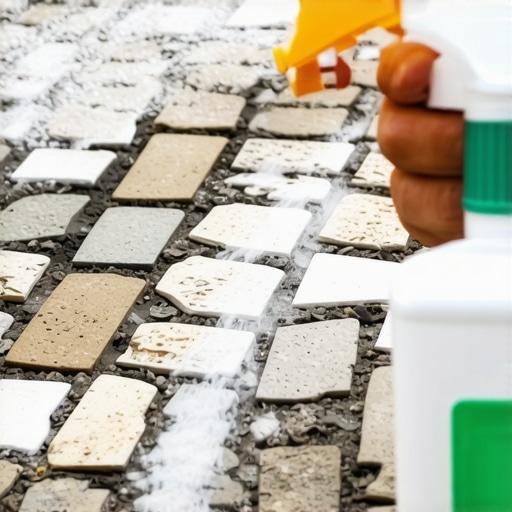
- Hydration: Lightly mist the joints. You aren’t trying to wash it away; you are ‘setting’ the fines.
“Properly graded aggregate bases are the foundation of all sustainable pavement systems; without compaction, the system is merely a pile of loose rock.” – ICPI Tech Spec 2
Biological Realities of Garden Design
When we talk about garden design, we often forget that the hardscape is the ‘skeleton’ of the space. If the skeleton is weak, the rest of the design collapses. In high-traffic areas, stone dust is a superior choice because it is ‘self-healing.’ Unlike mortar, which cracks and stays cracked, stone dust can be re-compacted or topped off easily. This is vital in regions with heavy freeze-thaw cycles. The ground is going to move; you need a jointing material that moves with it rather than fighting it and losing.
The Long-Term Maintenance Schedule
Your work isn’t done once the dust is down. Hardscaping requires an annual audit. Every spring, inspect the joints for ‘pumping’—this is when water has gotten underneath and is forcing fines up to the surface. If you see white crusting (efflorescence) or significant settling, it means your drainage has failed elsewhere. Clean the surface with a leaf blower weekly to prevent organic buildup. If you let leaves rot in the gaps, you are creating compost. Compost grows weeds. It is that simple. Keep it clean. Keep it dry. Keep it compacted. That is the secret to a professional-grade landscape. [image placeholder]