The Best Way to Transition Your Garden from Sun to Shade
Professional Strategies for Transitioning Garden Zones from Sun to Shade
I always drill into my new crew members: if you don’t fix the soil grading first, every plant you put in the ground is just expensive compost. You see it every day. A contractor buys a high-end Japanese Maple, digs a hole in heavy clay without checking the percolation rate, and wonders why it is dead in three weeks. It did not die from lack of water; it drowned because the hole became a bucket. When you transition from a sun-exposed area to a shaded one, the evapotranspiration rates change completely. You cannot treat the soil or the irrigation the same way. Proper landscaping requires understanding how energy moves through the site. Light is the engine, but soil is the fuel. If you ignore the hydrostatic pressure or the soil microbiology in those cooler, darker zones, your garden design will fail before the first frost. Fix the grade. Measure the light. Only then do you pull the shovel off the truck.
Understanding the Photometric Transition in Landscape Design
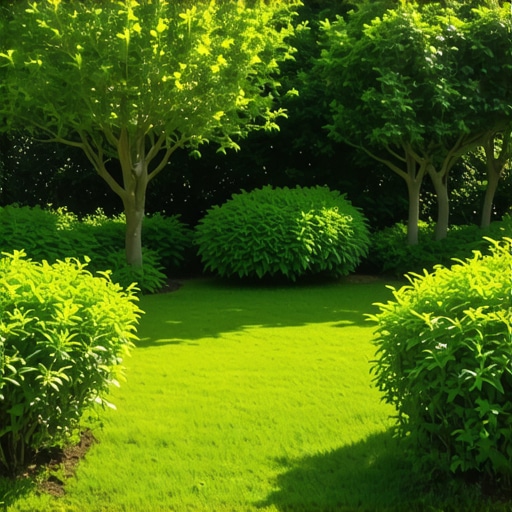
Transitioning from sun to shade requires measuring Photosynthetically Active Radiation (PAR) levels across your site to identify the light-compensation point for specific species. Most gardeners fail because they ignore the micro-climate shifts in soil temperature and moisture retention that occur as light intensity drops from 10,000 foot-candles in full sun to less than 500 in deep shade. This is not just about moving from sun to shade; it is about managing the metabolic rate of the plants. In full sun, plants are high-performance machines requiring heavy nitrogen and frequent water. In the shade, those same processes slow down. If you keep the same lawn care routine in the shade as you do in the sun, you will end up with Pythium blight or Powdery Mildew. It is simple biology. You must adjust your hardscaping and planting to match the reduced energy availability of the site.
| Light Exposure | Foot-Candle Range | Recommended Species | Soil Moisture Requirement |
|---|---|---|---|
| Full Sun | 10,000+ | Turf Grass, Sedum | High Drainage |
| Dappled Shade | 2,500 – 5,000 | Hydrangea, Azalea | Moderate |
| Deep Shade | < 500 | Ferns, Moss | High Organic Matter |
“Light is the primary limiting factor in shade environments, but soil moisture and competition for nutrients from overstory trees often dictate the ultimate success of the understory.” – Penn State Extension, Department of Plant Science
How do I know if my garden is full shade or partial shade?
To determine light levels accurately, you must observe the area at 10:00 AM, 1:00 PM, and 4:00 PM during the peak growing season. Full sun is defined as 6+ hours of direct light, while partial shade receives 3 to 6 hours. Anything less than 3 hours is deep shade. Do not guess. Use a light meter or a SunCalc device to get the actual data before you invest in expensive nursery stock. Shadows move. A spot that is sunny in May might be in total darkness by July when the oak canopy fills in. This is why garden design requires a four-dimensional view of the property.
What are the best plants for a dry shade garden?
Dry shade is the hardest environment to manage because you have low light and high root competition from existing trees. Focus on species with high drought tolerance and low nutrient requirements like Epimedium, Helleborus, and Carex pensylvanica. Avoid planting high-moisture species like Astilbe unless you are prepared to run drip irrigation lines directly to their root zones. In these areas, soil preparation is your only defense against plant failure. You must incorporate organic matter to increase the water-holding capacity without creating a saturated anaerobic environment.
Soil Chemistry and Grading in Shaded Environments
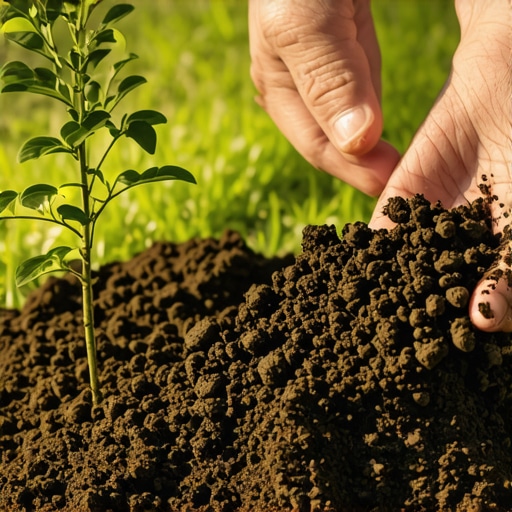
Successful landscaping transitions depend on the Cation Exchange Capacity (CEC) and the bulk density of the soil in the transition zone. Shaded soils often have higher relative humidity at the surface, which slows the nitrogen cycle and can lead to soil acidification over time. You need to test the pH at a 6-inch depth. If your soil is below 6.0, your plants will struggle to uptake phosphorus and magnesium. This is where lawn care hacks fail. They throw down a 10-10-10 fertilizer and wonder why the grass is yellow. It is a pH lock-out. You must balance the chemistry first. Furthermore, soil grading is critical. Water must move away from the shade garden. Because shade reduces evaporation, any low spot becomes a swamp that breeds fungal pathogens. You need a minimum 2% slope to ensure surface drainage works effectively.
“Proper site preparation for shade gardens must account for the fact that shaded soils often stay cooler and wetter for longer periods, increasing the risk of fungal pathogens like Phytophthora if drainage is not optimized.” – Texas A&M AgriLife Extension
- Conduct a 24-hour light audit to map PAR levels across the transition zone.
- Test soil pH and NPK levels at both 6-inch and 12-inch depths to understand the soil profile.
- Install French drains or catch basins if the area shows signs of standing water.
- Size the root ball hole to 3x the container width to allow for lateral root expansion.
- Set drip emitters at the root flare, avoiding direct contact with the trunk to prevent basal rot.
- Apply only 2 inches of double-shredded hardwood mulch; avoid the root flare entirely.
Engineering the Hardscape-to-Softscape Transition
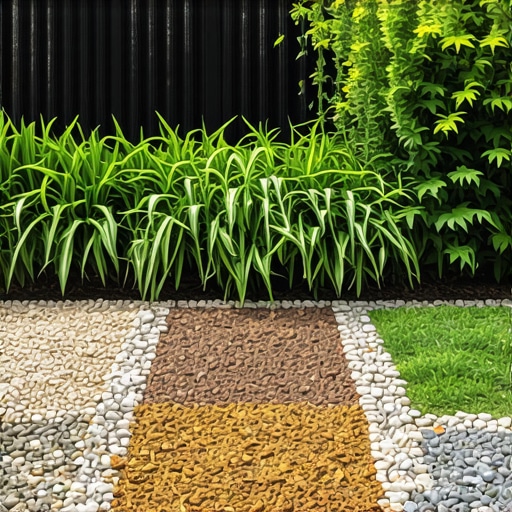
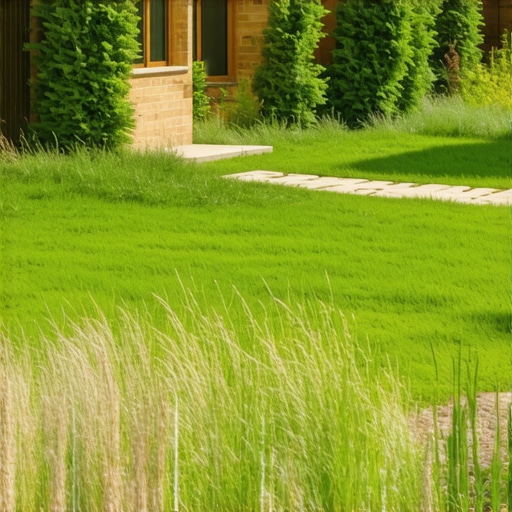
When your hardscaping meets a shaded garden, you must account for hydrostatic pressure and thermal mass. Stone patios hold heat, which can cook the roots of shade-loving plants at the edge of the transition. We use a modified gravel base compacted to 98% Proctor density to ensure the patio stays level, but we also install a separation fabric between the gravel and the garden soil. This prevents the fines from the garden soil from clogging the drainage gaps in the gravel. If you are building a retaining wall in a shaded area, you must use perforated pipe and a gravel chimney. Water is the enemy of all structures. In the shade, that water stays around longer. It freezes. It thaws. It heaves your stone. If you do not engineer for water movement, your $40,000 project will be a pile of rubble in five years. Don’t skip the geotextile. Don’t skip the drainage stone. Every inch of hardscaping must serve the hydrology of the site. [IMAGE_PLACEHOLDER] Shaping the garden design around these technical requirements is what separates a professional from a hobbyist. Your goal is a stable, aerated soil environment that supports the biological needs of the plants while maintaining the structural integrity of the stone features.
{“@context”:”https://schema.org”,”@type”:”HowTo”,”name”:”How to Transition a Garden from Sun to Shade”,”step”:[{“@type”:”HowToStep”,”text”:”Conduct a 24-hour light audit using a light meter to map the specific PAR levels at various times of the day.”},{“@type”:”HowToStep”,”text”:”Perform a soil test to check pH, CEC, and nutrient levels, adjusting with lime or sulfur as needed to hit a target pH of 6.5.”},{“@type”:”HowToStep”,”text”:”Correct the soil grading to ensure a 2% minimum slope away from the shaded area to prevent water stagnation.”},{“@type”:”HowToStep”,”text”:”Select plant species based on the light audit, focusing on dry-shade tolerant varieties for areas with root competition.”},{“@type”:”HowToStep”,”text”:”Install drip irrigation with individual emitters sized for the specific water requirements of each plant zone.”}],”totalTime”:”P2D”}