The problem with using plastic weed barriers
The Death of Soil Health Under Plastic Barriers
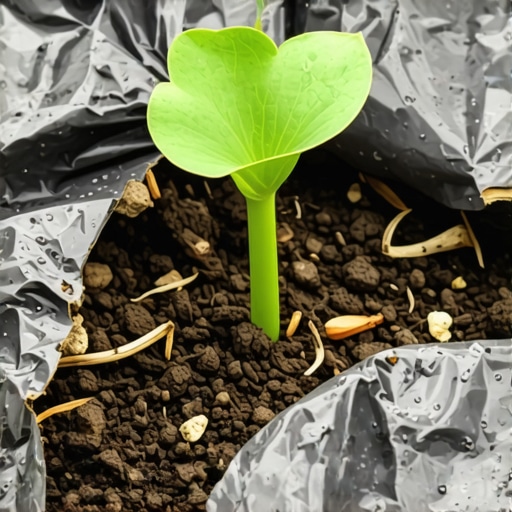
Plastic weed barriers create a biological desert by suffocating the soil, preventing vital gas exchange, and trapping moisture that leads to anaerobic conditions. While marketed as a labor-saving shortcut for garden design and landscaping, these non-porous membranes eventually lead to root rot, nutrient lock-out, and the proliferation of weeds on top of the fabric. It is a fundamental engineering failure at the ground level.
I always drill into my new crew members: if you don’t fix the soil grading and biological health first, every plant you put in the ground is just expensive compost. I remember a job in the suburbs where the homeowner had spent five figures on high-end nursery stock—Japanese Maples, Pieris japonica, the works. They had covered every square inch of the beds in thick, 6-mil black plastic before mulching. Two years later, the Maples were flagging. I pulled back a corner of that plastic and the smell hit me like a punch to the gut: the sour, metallic stench of anaerobic decomposition. The soil was a grey, slimy mess. The earthworms were gone. The roots weren’t diving deep; they were matted in a desperate, 1-inch layer right against the plastic, suffocating for oxygen. We had to rip it all out, air-spade the trees, and rebuild the soil from scratch. It was an expensive lesson in why you don’t fight biology with poly sheeting.
The Engineering Failure of Non-Porous Membranes
Landscape fabric and plastic liners fail because they ignore the fundamental physics of soil pore space and hydrostatic pressure. Soil is not a static substrate; it is a living lung that requires the movement of oxygen and carbon dioxide to sustain the microbial life necessary for lawn care and plant health. When you seal that surface with plastic, you create a thermal trap. During the summer, soil temperatures under black plastic can spike 20 to 30 degrees higher than bare or naturally mulched soil. This heat literally cooks the beneficial mycorrhizal fungi that plants depend on for phosphorus uptake. Furthermore, water cannot move vertically through the profile. It sits on the surface, creating a perched water table that drowns the root flare of your shrubs.
“Soil compaction and the use of impermeable barriers significantly reduce the diffusion of oxygen to the root zone, leading to a decline in root respiration and eventually plant death.” – Penn State Extension, Horticultural Engineering Standards
How much mulch do I need to cover landscape fabric?
You should never apply more than 2-3 inches of mulch over any barrier, but the reality is that mulch on plastic eventually decomposes into a thin layer of compost. This creates the perfect seedbed for wind-blown weeds. The weeds don’t grow from the soil up through the plastic; they grow from the top down. Their roots penetrate the weave of the fabric or the gaps in the plastic, anchoring themselves so firmly that you cannot pull them without ripping the entire system apart. It is a self-defeating cycle.
The Microscopic Reality: Fungal vs. Bacterial Ratios
A healthy landscape depends on a specific balance of bacteria and fungi. Most woody ornamental plants prefer a fungal-dominant soil. However, the wet, stagnant conditions under plastic favor anaerobic bacteria. This shift in the microbiome changes the soil pH and makes nutrients like iron and manganese unavailable to the plant. You will see interveinal chlorosis—yellowing leaves with green veins—and wonder why your fertilizer isn’t working. It’s not a lack of nutrients. It’s the plastic blocking the biology that unlocks those nutrients. Don’t skip the soil test. It will show you the damage.
| Material Type | Permeability Rating | Durability (Years) | Impact on Soil Biology |
|---|---|---|---|
| 6-Mil Black Plastic | Zero | 10+ | Destructive / Anaerobic |
| Woven Landscape Fabric | Low to Moderate | 5-8 | Reduces Microbial Diversity |
| Corrugated Cardboard | High | 1 (Biodegradable) | Beneficial / Earthworm Food |
| Wood Chip Mulch (3″) | High | 2-3 | Optimal / Fungal Support |
What is the best alternative to landscape fabric?
The most effective alternative to plastic is a combination of wood chip mulch and a biodegradable base layer like non-glossy cardboard or heavy brown builder’s paper. This method, often called sheet mulching, suppresses weeds while allowing for gas exchange and moisture penetration. As the cardboard breaks down, it adds carbon to the soil and encourages earthworm activity, which naturally aerates the ground. It builds soil instead of killing it.
The Remediation Process: Fixing a Smothered Yard
If you have inherited a yard choked by plastic, you cannot just pull it up and walk away. The soil is likely compacted and depleted of life. You must follow a forensic remediation protocol to restore the hardscaping and planting beds to a functional state. First, excavate all inorganic barriers. If the soil is grey or smells sour, it needs oxygen immediately. Use a broadfork or a vertical aerator to crack the surface without flipping the soil profile. This introduces air without destroying what little fungal structure remains.
- Remove all plastic and staples immediately.
- Test soil pH and organic matter levels.
- Apply 1 inch of high-quality compost to reintroduce biology.
- Inoculate the area with mycorrhizal fungi.
- Top with 3 inches of arborist wood chips.
- Ensure the root flare of all trees is visible and not buried.
“The primary cause of failure in urban landscapes is the lack of adequate soil volume and the interruption of natural water infiltration cycles.” – International Society of Arboriculture (ISA)
Stop looking for a permanent solution to a biological process. Weeding is part of the job. But if you build a healthy, thick canopy of plants and use proper organic mulching techniques, the weeds won’t have the light or the space to germinate. You don’t need a chemical or plastic shield if the ecosystem is balanced. It will thrive. Plastic is a shortcut to a dead yard. Don’t use it. Spend the money on better plants or a better irrigation controller instead.