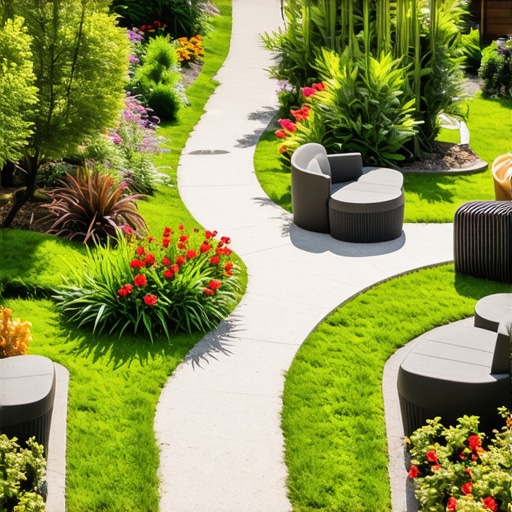
I’ll admit it; I once spent a whole summer frustrated with my garden, trying to force a traditional landscape into a modern home, only to end up with a space that felt more chaotic than peaceful. That lightbulb moment when I realized I was copying trends instead of creating a space that truly reflected my style transformed how I approach garden design today.
Why Settling for Ordinary Gardens Is a Thing of the Past
In the past, garden design was often about following set rules—symmetry, uniform lawns, and predictable plantings. But as we step into 2025, the landscape world is buzzing with fresh ideas that challenge the old notions and prioritize personalization, sustainability, and innovation.
There’s no denying that a well-designed garden can boost your home’s curb appeal, improve mental health, and even increase property value. According to recent research, homes with thoughtfully designed outdoor spaces sell faster and for a higher price. However, many enthusiasts, including myself early on, fall into the trap of copying generic ideas without considering their own unique environment or personal taste.
Have you ever sprayed a landscape with a spray-and-prune approach, only to find some plants look lost, or your hardscaping feels disconnected? That was me, neglecting the importance of tailored, innovative solutions. If you’re tired of cookie-cutter gardens and want to craft something truly remarkable—you’re in the right place. Today, we’ll explore practical tips to elevate your outdoors with the latest trends, from modern hardscaping to eco-friendly plant choices.
Is Following Garden Trends Really Worth It
Many skeptics worry that chasing trends might make their gardens look more like showrooms than personal sanctuaries. I hesitated at first, thinking, “Will this be just a passing fad?” I understand that fear. But the truth is, innovative trends—like integrating sustainable materials or embracing low-maintenance designs—are here to stay and can significantly enhance your outdoor experience. My early mistake was overlooking local climate considerations, which led to expensive plant failures. That’s a common pitfall to avoid. For a comprehensive approach, check out this guide on masterful garden design tips that emphasizes contemporary yet practical ideas.
Now, let’s dive into how you can revitalize your garden this year, starting with understanding what modern design really involves and how it can transform your outdoor space from dull to dazzling.
Define Your Style and Set Clear Goals
Start by envisioning how you want your garden to feel—peaceful, vibrant, minimalist, or lush? Drawing from personal experiences, I once began my project by jotting down what environments I felt most drawn to, which helped me avoid generic designs. Clarify your priorities: low maintenance, sustainability, entertainment space? This step guides every subsequent decision, ensuring your garden reflects your preferences, not just current trends.
Assess Your Space and Climate
Next, analyze your yard’s size, sunlight, soil type, and climate zone. Think of your garden as a living canvas—knowing the terrain helps you select appropriate plants and materials. I once ignored my area’s heat tolerance, leading to dead plants in my first attempt. To prevent this, consult local planting guides or a garden professional, and consider creating a detailed site map to visualize options clearly.
Choose Sustainable Hardscaping Elements
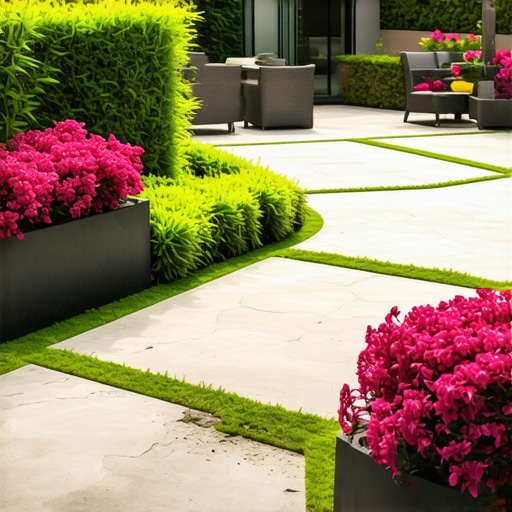
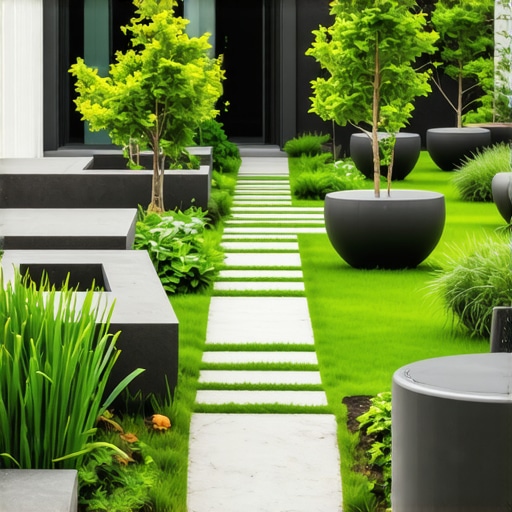
Hardscaping provides structure and visual interest; it’s like the backbone of your design. Modern trends favor eco-friendly materials like permeable pavers and recycled aggregates. During my project, I experimented with composite decking and native stone, which not only looked stunning but also reduced runoff. For inspiration, explore modern hardscaping ideas that blend durability with environmental mindfulness.
Implement Innovative Pathways and Seating
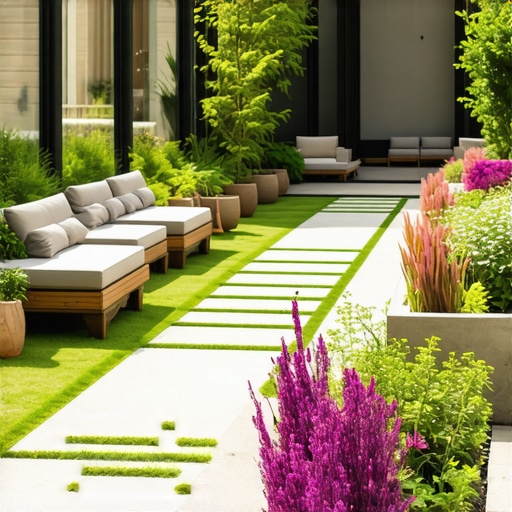
Create flow and functionality by designing pathways with materials like polished concrete or reclaimed brick. Think of your pathways as veins guiding visitors—clear and purposeful. When I laid my first pathway, I accidentally misaligned tiles, resulting in a charming, rustic look that became a conversation piece. Use layout apps or drawing tools to plan these elements precisely before installation.
Plan for Native and Low-Maintenance Plants
Selecting the right flora is crucial. Native plants thrive with minimal resources and support local ecosystems. I replaced high-maintenance exotic species with native asters and grasses, which flourished without extra watering. Use online plant guides or consult local nurseries to choose varieties that suit your soil and light conditions, and consider grouping plants for easier care and visual harmony. To learn more about effective plant selection, see landscaping and lawn care tips for 2025.
Create Zones for Versatility and Personalization
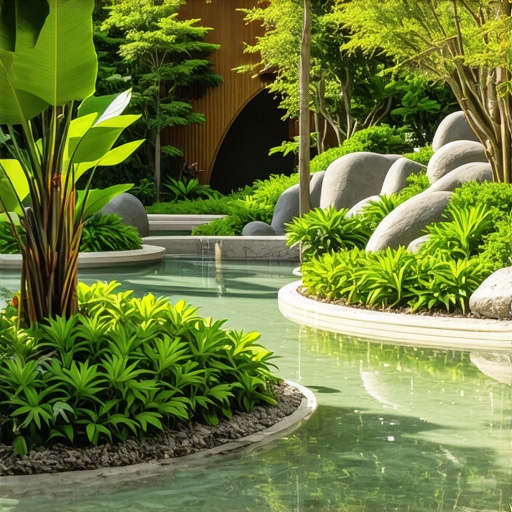
Designate areas for dining, relaxation, and maybe even a small vegetable garden. Dividing your space into purposeful zones makes your garden multifunctional. During my project, I used low fences and strategic plantings to separate lounge areas from vegetable beds, creating intimacy and order. Consider adding features like fire pits, pergolas, or water elements to enhance each zone’s character.
Invest in Quality for Longevity
Using durable materials and quality plants ensures your garden remains stunning over time. Yes, it might cost more upfront, but investment pays off through reduced repairs and replacements. I learned this lesson firsthand when I chose rugged stone for my fire pit, which withstands seasons and foot traffic with ease. Prioritize wise choices based on your budget, and don’t skimp on foundational elements. For detailed hardware ideas, visit effective hardscaping ideas.
Incorporate Smart Garden Technologies
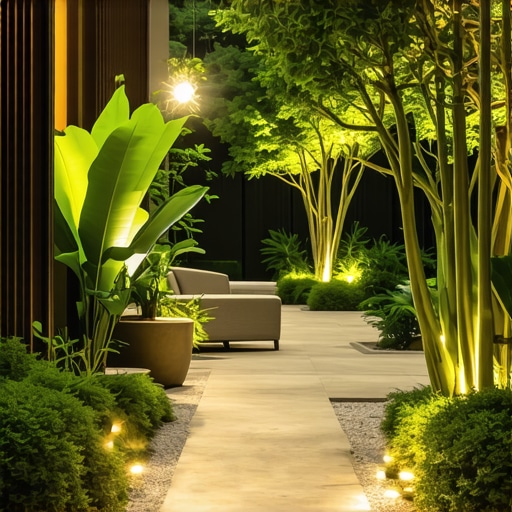
Finally, modernize your garden with smart irrigation, lighting, and sensors that optimize resource use and ambiance. I installed a soil moisture sensor that prevented overwatering, saving water and keeping plants healthy. These innovations are easier to implement than you think; many devices are user-friendly and programmable. Explore landscaping design trends to discover options that match your style and budget, turning your garden into a high-tech haven.Many garden enthusiasts stumble over the same pitfalls because of widespread myths or overlooked nuances. One prevalent misconception is that more plants always mean a lush, vibrant landscape. In reality, overplanting can lead to competition for scarce resources, resulting in weaker growth and increased maintenance needs. Instead, skillful spacing combined with native, low-maintenance species creates a healthier, more sustainable garden. Another frequent error is choosing aesthetic hardscape materials without considering their environmental impact or long-term durability. For example, many opt for traditional concrete pavers, unaware of the benefits of permeable options like recycled gravel or reclaimed stone, which enhance water management and reduce runoff. Integrating sustainable hardscaping not only benefits the environment but also prevents costly repairs down the line. When it comes to lawn care, a common myth is that frequent watering promotes faster growth. In fact, overwatering can lead to shallow root systems and susceptibility to disease, contradicting the goal of a resilient, healthy lawn. Using smart irrigation systems, like soil moisture sensors, ensures your grass receives just the right amount of water, conserving resources and fostering drought-tolerant roots. The hidden nuance here is understanding your local climate and soil type, tailoring your watering schedule accordingly. Advanced gardeners also recognize that landscaping is not a one-size-fits-all process. Each yard has unique microclimates and soil compositions; ignoring these factors can result in plant stress or failure. Conducting a comprehensive site assessment and consulting local experts or detailed guides can prevent costly mistakes and ensure your design choices thrive. From my experience, rushing into a project without proper planning often leads to regret. For instance, selecting non-native species because they look appealing without verifying their adaptability can cause persistent problems. To deepen your approach, explore this resource on modern garden design that emphasizes thoughtful, site-specific planning and sustainability. Remember, effective garden design marries creativity with ecological awareness and strategic planning. By dispelling these common myths and paying attention to the finer points, you can create a truly resilient and beautiful outdoor space.
Have you ever fallen into this trap? Let me know in the comments.
Keep Your Garden Going Strong: Essential Tools and Maintenance Strategies
Maintaining a stunning garden over the long term requires the right tools and a proactive approach. From selecting durable equipment to employing effective methods, staying consistent ensures your landscape continues to thrive and impress. Let me share some specific tools I personally rely on and the maintenance routines that keep my garden vibrant year-round.
How do I maintain my garden equipment over time?
Investing in high-quality, ergonomic tools like my preferred bypass pruners and cordless electric trimmers has made a significant difference. I choose tools with corrosion-resistant blades and comfortable grips, which reduce fatigue during prolonged use. Regular cleaning, such as wiping blades after each session and oiling moving parts, prevents rust and maintains sharpness, ensuring precision and longevity. I also schedule seasonal checks—sharpening blades in early spring and replacing worn parts—as part of my routine. For more advanced upkeep, I recommend using a power washer periodically to clean hardscaping and prevent mold or moss buildup, which can erode surfaces over time.
Modern technology has also integrated smart solutions into garden maintenance. For example, smart irrigation controllers like the models discussed in modern lawn care tips can automatically adjust watering schedules based on weather forecasts, saving water and promoting healthy growth. Pairing these with soil moisture sensors can further optimize watering, reducing waste and preventing overwatering, which is a common mistake that hampers long-term plant health.
Why choose specific tools for hardscaping upkeep?
When it comes to maintaining hardscaping elements, tools like heavy-duty grate scrapers and specialized sealants can prevent deterioration. Using a power grinder with a diamond blade, I periodically polish stone features to keep them looking fresh, especially after harsh winter seasons. Applying sealants—done biannually—protects surfaces from moisture and staining. For edging and joints, a high-quality jointing tool ensures clean, tight seams that don’t trap debris or encourage weed growth.
For ongoing hardscaping upkeep, consider incorporating innovations like permeable pavers and modular designs, which are easier to repair and replace over time. Checking drainage efficiency regularly prevents water pooling or erosion, maintaining both aesthetic appeal and structural integrity. Explore hardscaping ideas to find solutions that balance beauty and functionality.
Anticipate future trends in garden maintenance
As technology advances, expect more integrated systems that automate complex tasks—from robotic lawn mowers to AI-powered monitoring devices—further simplifying long-term care. These innovations will likely become more accessible, allowing even casual gardeners to maintain professional-quality landscapes. To prepare, start evaluating which smart systems align with your goals and budget. And don’t hesitate to try out one of these advanced tools, like a soil moisture sensor, to see immediate improvements in your garden’s health.
In the end, consistent maintenance—backed by precise tools and smart solutions—ensures your garden remains a lush, inviting space. Remember, a healthy garden isn’t just about planting; it’s about nurturing every component over time. Regular inspections, timely repairs, and smart care routines are the keys to lasting beauty. Ready to elevate your garden maintenance game? Start by integrating a smart irrigation controller into your routine today.
The Hardest Lesson I Learned About Garden Transformation
Early in my landscaping journey, I believed more was always better — more plants, larger hardscapes, brighter lights. But I soon discovered that restraint and understanding your space’s unique personality are the real game changers. My lightbulb moment came when I realized that overly ambitious designs often drown the natural charm of a yard. Instead, focusing on harmony and native elements creates a garden that feels intentional and timeless.
Tools that Really Make the Difference
Over time, I realized that investing in quality, purpose-built tools like a sharp pruning shear or a versatile landscape rake made my work not only easier but more satisfying. Pairing these with smart irrigation systems from trusted resources ensures my garden stays vibrant without unnecessary waste. The little things—regular blade maintenance or a quick watering check—add up to long-term beauty and health.
This Garden World Will Inspire You to Take Action
Creating a garden that reflects your personality, respects the environment, and adapts to your lifestyle is a rewarding challenge. Every choice, from native plants to smart technology, brings you closer to a space where you feel truly at home outdoors. Remember, your garden is an ongoing story—start today, and enjoy the journey of transformation. Ready to bring your outdoor vision to life? Dive into the latest trends and expert tips to turn your yard into a personal paradise in 2025. What’s the first change you’re excited to make?
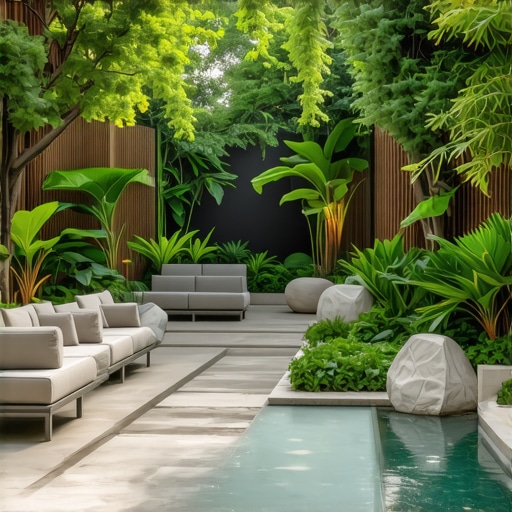
I really relate to the idea of designing a garden that reflects your personal style instead of just following trends blindly. When I first started, I was tempted to go for the most popular plants and hardscaping ideas I saw online, but I quickly realized how important it is to consider my local climate and my own needs. For example, I live in a drought-prone area, so choosing native, drought-tolerant plants made a huge difference in maintenance and water use. I also started incorporating eco-friendly materials, like recycled gravel for pathways, which added a unique touch to my garden while supporting sustainability. One challenge I faced was balancing aesthetic appeal with functionality; how do others find the right mix of beauty and practicality? I’d love to hear your tips or experiences on creating a personalized garden that stands out but stays manageable over time.
I really appreciate this comprehensive approach to modern garden design. Finding that perfect balance between aesthetics and functionality has always been my biggest challenge. Your point about assessing your space and climate resonates with me—initially, I neglected this step and ended up with plants that just didn’t thrive, leading to frustration and extra costs. Since then, I’ve started creating detailed site maps and taking local soil and climate conditions into account, which has made a noticeable difference. I especially like the idea of integrating smart technologies like moisture sensors and automated irrigation systems. For someone just starting out or looking to upgrade, do you have recommendations on specific brands or models that offer good value? Also, how do you personally decide when to incorporate more high-tech solutions vs. traditional methods? It’s fascinating how digital tools are transforming our outdoor spaces and making maintenance more manageable. I’d love to hear others’ experiences with balancing high-tech features with natural, native planting ideas.