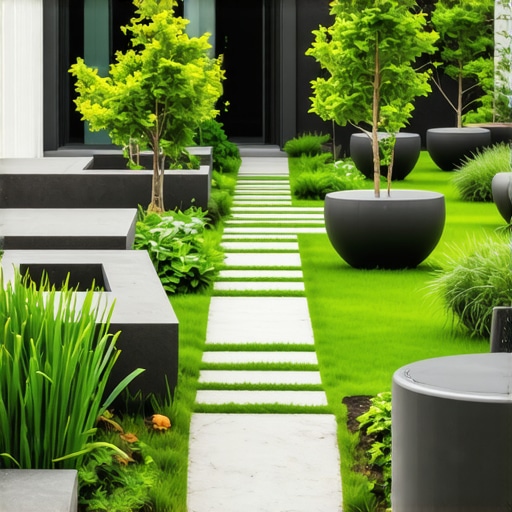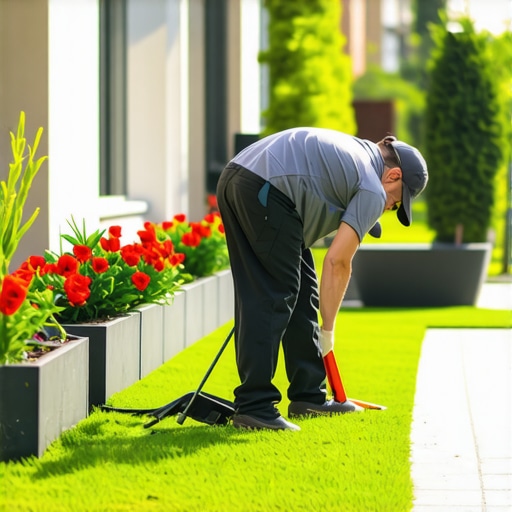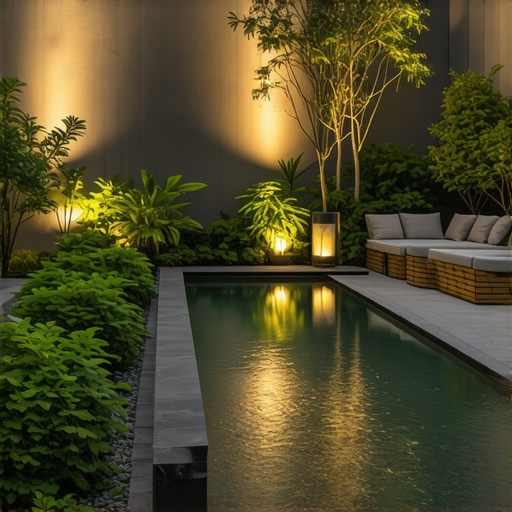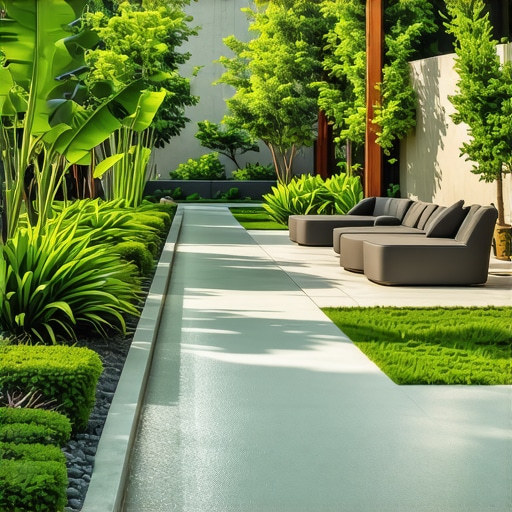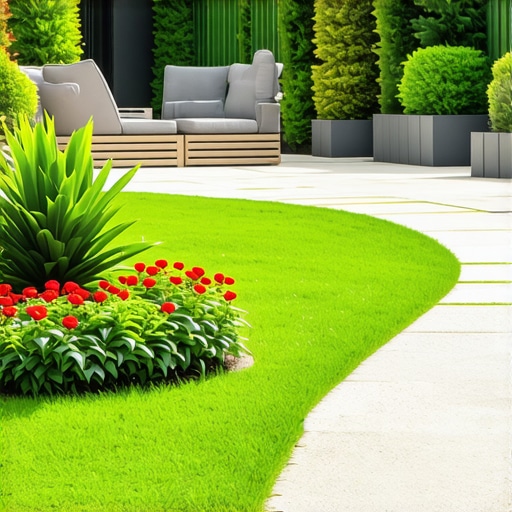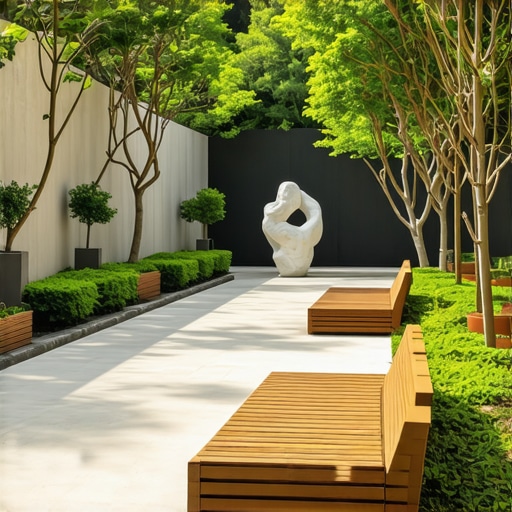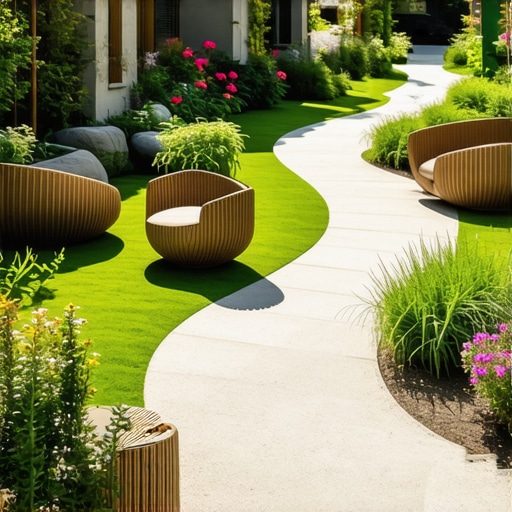
As I stood in my backyard last spring, staring at a patch of turf that refused to grow lush, I had a lightbulb moment. My outdoor space, which should have been a sanctuary, felt more like a maintenance nightmare. I’d overlooked one crucial aspect: planning with purpose. Does this sound familiar? Many of us encounter similar frustrations—spending weekends battling weeds or trying to coax life into dull, uninspired gardens.
Why Your Garden Deserves a Purposeful Makeover in 2025
There’s no denying it: our outdoor spaces are evolving. With remote work and a shift toward personal wellness, more homeowners are yearning for gardens that do more than look good—they need to be functional, restorative, and uniquely tailored to their lifestyles. The good news? Achieving this isn’t about hefty budgets or complicated layouts. It’s about strategic choices grounded in current garden design styles and trends, many of which are surprisingly simple to implement.
Is It Really Worth the Hype to Modernize Your Garden?
Early in my journey, I made the mistake of thinking that following fleeting trends would transform my outdoor space overnight. Spoiler alert: it didn’t. Instead, I wasted time and resources on ideas that quickly felt outdated. I learned that successful garden transformation hinges on understanding what truly works for your environment and personal style, rather than chasing every new shiny idea. For concrete tips, I recommend exploring modern garden design ideas for 2025. This approach not only saves you from costly mistakes but also guarantees results that last.
Create a Solid Foundation with Thoughtful Planning
My first step in overhauling my garden was to sketch out a detailed layout, focusing on areas I wanted to enhance or add. Think of this as building the blueprint of a house before laying bricks—without it, the entire structure risks collapse. I used graph paper, marking zones for seating, walkways, and plant beds, ensuring each element aligned with my lifestyle and landscape constraints. To keep my project on track, I consulted resources like modern hardscaping ideas for inspiration. This step prevents costly mistakes and guides your decisions toward a cohesive design.
Lay the Groundwork with Practical Hardscape Elements
Choose Durable Materials Wisely
For my walkway, I selected permeable pavers—these not only look sleek but also improve drainage. Think of hardscaping materials like clothing choices: durable fabrics like leather or heavy canvas are better for long-term wear. I visited suppliers, examined samples, and compared prices, ensuring my selection would be weather-resistant and fit my aesthetic. Remember, outdated or low-quality materials will soon degrade, costing you more in repairs—so invest wisely. To see the latest trends, check out hardscaping trends in 2025.
Master the Art of Levelling and Base Preparation
I vividly recall spending a full Saturday excavating and compacting gravel beneath my new patio area. Imagine building a deck on uneven ground—it wobbles and feels insecure. The secret is to create a stable, level base, using a transit level and compactors. I laid a geotextile fabric to prevent weed growth and added a layer of crushed stone before topsoil. This process is the backbone of any sturdy hardscape, akin to ensuring your foundation is sound before constructing a house. Proper preparation guarantees longevity and reduces future repair costs. Learning from effective hardscaping strategies can help you avoid common pitfalls.
Design with Functionality and Style in Mind
When choosing features like fire pits or water elements, prioritize functionality without sacrificing elegance. I installed a sleek, built-in fire pit surrounded by comfortable seating, encouraging gatherings. Think of this process as accessorizing a wardrobe: the right pieces elevate the entire look. For optimal placement, consider sunlight patterns and wind direction, much like positioning furniture for comfort. Use curves and varying heights to create visual interest and mimic natural landscapes. For modern ideas on styling, explore hardscaping ideas for modern spaces. Detailing such as LED lighting or textured finishes further enhances usability and ambiance.
Integrate Plantings to Complement Hardscape Elements
Hardscaping isn’t complete without greenery. I balanced my stone pathways with low-maintenance perennial beds and vertical gardens, much like framing a picture enhances the main subject. Select plants that thrive in your climate and soil, matching their color and texture with the materials used. Think of plantings as soft accents that tie together the hard lines—they soften edges and add life. Layering heights and repeating motifs create harmony, guiding the eye naturally across your backyard. For ideas tailored to 2025 trends, see landscaping trends for 2025.
Finish with Accessories and Maintenance Routines
Finally, I added weatherproof furniture, decorative stones, and strategic lighting. Your hardscape’s success hinges on ongoing maintenance—regular cleaning, sealing, and inspections ensure longevity. Think of it like caring for a car: scheduled upkeep prevents expensive repairs later. Use quality sealants on surfaces, and inspect for shifting or damage after storms. Incorporate automation devices, such as irrigation systems, to preserve your work with minimal effort. Consulting guides like effective hardscaping ideas 2025 can streamline this process. Remember, a well-maintained space rewards you with lasting beauty and functionality well into the future.
Many homeowners assume that hardscaping, landscaping, and lawn care are straightforward endeavors, but this belief can lead to costly mistakes. One common misconception is thinking that more plants and decorative features automatically improve a garden. In reality, over-cluttering can hinder functionality and maintenance efficiency. Additionally, novice gardeners often underestimate the importance of soil health, mistakenly applying fertilizers without assessing nutrient deficiencies, which can result in short-term gains but long-term soil degradation. To avoid these pitfalls, it’s crucial to adopt a holistic approach grounded in proper planning and soil analysis, as emphasized by landscaping experts.
What do advanced garden designs overlook that beginners miss?
One nuanced aspect that often gets overlooked is the microclimate created by hardscape elements. For example, large stone surfaces absorb heat during the day and release it at night, impacting nearby plants’ growth and water requirements. Ignoring these subtle thermal dynamics can lead to plant stress or unexpected watering needs. Studies, such as those published in the Journal of Environmental Horticulture, highlight the significance of microclimates in landscape success. Incorporating knowledge of these environmental nuances enables the creation of more resilient, sustainable outdoor spaces. It’s akin to a chess game where anticipating the opponent’s moves—here, the microclimate—can determine victory in garden longevity.
Furthermore, many enthusiasts fall prey to the myth that the latest trends guarantee timeless appeal. Trends like ultra-minimalist designs or specific hardscaping materials might seem appealing but can quickly become outdated, wasting resources. Instead, focusing on classic elements tailored to your climate and personal style ensures longevity and reduces ongoing maintenance. For instance, implementing perennial plantings and durable materials not only enhances aesthetic appeal but also simplifies ongoing care. To keep pace with modern yet enduring trends, I recommend checking out modern hardscaping ideas tailored for longevity.
Lastly, a sneaky trap many fall into is neglecting the integration of lighting and irrigation into their initial design. These elements, if appended later, can disrupt the harmony of the space and lead to expensive retrofits. Thoughtful placement during the planning phase ensures optimal functionality and visual harmony. Learning from seasoned professionals and avoiding these common advanced mistakes will prevent future regrets and empower you to craft a garden that truly stands the test of time. Have you ever fallen into this trap? Let me know in the comments.Maintaining a beautiful, functional outdoor space requires the right tools and techniques. Over time, even the most durable materials and thoughtfully designed landscapes need regular care to ensure longevity and aesthetic appeal. From machinery to software, selecting quality equipment and adopting systematic methods can make this ongoing process more efficient and less burdensome. In this article, I’ll share the tools I personally recommend for maintaining your hardscaping, landscaping, and lawn care projects, as well as insights into future trends in outdoor maintenance.
How do I keep my outdoor spaces looking pristine year-round?
First, investing in high-quality power equipment is non-negotiable. I rely on a reputable cordless leaf blower for clearing debris swiftly without the fuss of cords or fuel. A cordless design offers mobility and quieter operation—crucial features for maintaining cozy environments. For edging and trimming, I favor a multi-head combination trimmer that allows me to switch between hedge and grass trimming, saving space and cost. Brands like Ego and Milwaukee provide models with excellent battery life and durability, which I personally use on multiple projects.
For lawn care, a robotic mower has become a game-changer. Not only does it maintain my lawns with minimal effort, but its programmable scheduling ensures consistent quality. These devices are increasingly smart, integrating with weather sensors to adjust mowing schedules dynamically. This trend indicates a future where automation simplifies routine landscaping tasks, freeing up your time for creative garden design or hardscape upgrades.
Beyond machinery, software tools have become indispensable. I use landscape design apps that allow me to visualize changes before digging the first trench. Programs like SketchUp or specialized landscape design solutions help in planning and ensuring hardscape elements fit perfectly with plantings and flow. The ability to simulate light, shade, and space enhances decision-making, reducing costly mistakes.
One of the most eye-opening lessons I learned was how overlooked microclimates can silently sabotage your efforts. Without understanding how large stone surfaces absorb and release heat, I faced unexpected plant stress. It taught me to think beyond aesthetics and consider environmental nuances, much like a chess player plans several moves ahead. Paying attention to these subtle factors can save you time, money, and frustration in the long run. Curious about how to identify and work with microclimates? Check out landscaping trends for 2025 for expert insights. I used to believe that following every shiny new trend would instantly refresh my garden. Instead, I ended up with an incoherent space that quickly felt outdated. The breakthrough came when I focused on classic, climate-appropriate elements and layered in modern touches thoughtfully. This experience taught me that timeless design, tailored to your environment, outlasts fleeting fads. If you’re eager to build a garden with longevity, explore modern hardscaping ideas for 2025 that blend tradition with innovation. Initially, I saw maintenance as a chore rather than an integral part of my garden plan. Now, I see it as an opportunity to keep my outdoor space vibrant and inviting. Regular inspections, sealing, and smart irrigation have become my allies in preserving beauty. Incorporating these routines during the planning phase, much like choosing durable materials, ensures your garden stays stunning for years. For guidance on easy-to-maintain yet striking designs, check out hardscaping trends in 2025.My Biggest Mistake Was Chasing Trends Without a Plan
Embracing Maintenance as Part of the Design Process