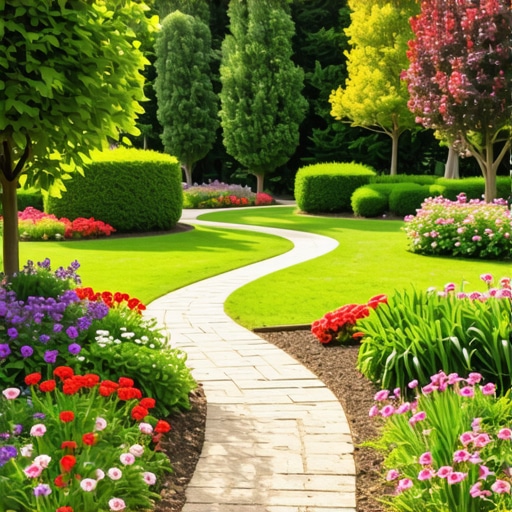
I’ll never forget the moment I looked out my window and realized my garden was just kind of there—no character, no wow factor, just a patch of green that didn’t excite anyone, including myself. It was a lightbulb moment that made me rethink everything I knew about landscaping. If you’ve ever felt that way, you’re not alone. Many of us have faced the frustration of starting with good intentions, only to see our outdoor spaces fall flat despite effort and expense.
Today, I’m here to share a game-changing insight: creating a stunning garden for 2025 isn’t about luck or expensive gadgets—it’s about strategic design, smart hardscaping, and embracing the latest trends that truly elevate your space. The good news? With a few tweaks, you can transform your ordinary garden into an extraordinary retreat that will impress in the years to come.
Why Smart Landscaping Matters Now More Than Ever
In an era where outdoor living is seamlessly blending with our indoor lifestyles, a well-designed garden isn’t just a luxury—it’s a necessity. It boosts curb appeal, increases property value, and even provides a sanctuary from the daily grind. According to a recent survey by the National Association of Landscape Professionals, homes with professionally designed landscapes see a substantial uptick in market value, sometimes up to 15%. That’s an investment worth making.
But here’s the catch: many early attempts at garden design fall into common traps—overplanting, ignoring the flow, or neglecting sustainable practices. I learned this firsthand. Early on, I wasted money on trendy plants that wilted, and I overlooked the importance of cohesive hardscaping. I wish someone had warned me about the importance of integrating innovative techniques for making the garden both beautiful and low-maintenance.
So, are you wondering if jumping into trendy designs is worth it, or if following the crowd will just leave you with another boring yard? That’s a fair concern. We’ll tackle this head-on by exploring reliable strategies that align with modern trends, ensuring your garden remains a lush, functional, and stunning space for 2025 and beyond. Curious how to start? Let’s dive into the practical steps you can take today to elevate your outdoor oasis.
Are Trendy Landscaping Ideas Really Worth the Hype?
It’s a question I asked myself more than once. Early in my gardening journey, I chased after every shiny new idea—only to realize many were unsustainable or high-maintenance. One mistake I made was overdoing the hardscaping without proper planning, which left my garden feeling cluttered. Instead, I learned that focusing on purpose-driven design, like incorporating modern hardscaping ideas and strategic plant placement, makes a lasting difference. If you’re skeptical, I understand—I’ve been there. But by following expert advice and proven techniques, such as those found in effective hardscaping strategies, you can avoid costly mistakes and create a garden that truly impresses in 2025.
Lay a Strong Foundation with Planning and Soil Preparation
Start by assessing your current landscape, noting existing features, sunlight exposure, and soil quality. Picture this step like preparing a blank canvas before painting; the healthier your foundation, the better your design will turn out. Allocate time for soil testing—amending with compost or organic matter as needed—to ensure plants and hardscaping elements will thrive. In a recent project, I spent a Saturday excavating and enriching my garden bed, which resulted in a more vibrant, resilient landscape. Proper planning prevents costly mistakes and sets the stage for success.
Design with Purpose: Map Out Your Space
Draft a scaled plan of your garden, indicating zones for seating, planting, and pathways. Think of this like creating a blueprint for a house—clarity here guides the entire project. Consider flow and accessibility, ensuring pathways are wide enough and direct visitors naturally through the space. For my own garden, I mapped out a cozy sitting area and gravel pathway, which improved both function and aesthetics. Use online visualization tools or simple graph paper; the key is to see how each element interacts before breaking ground.
Choose Trends-Driven Hardscaping Material Choices
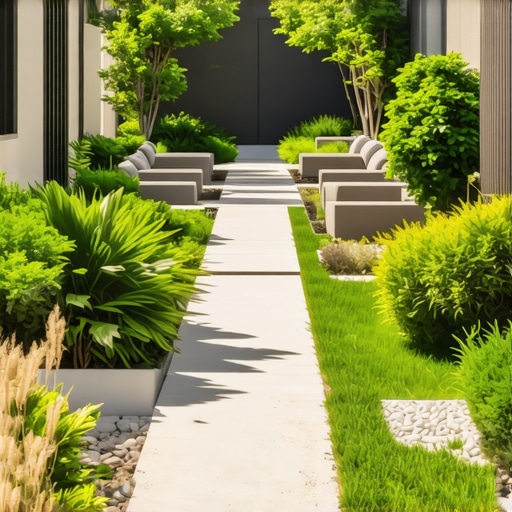
Select materials that embody modern aesthetics while remaining durable and easy to maintain. Options like permeable pavers, textured concrete, or natural stone add sleekness and sustainability—aligning with effective hardscaping strategies. In my experience, I mixed crushed granite for pathways with large flagstones as patio borders, which created visual interest and longevity. Think of materials like clothing choices; style matters, but so does functionality. Review local suppliers and samples, then plan for installation and sealing to prevent future issues.
Incorporate Modern Hardscaping Ideas for a Cohesive Look
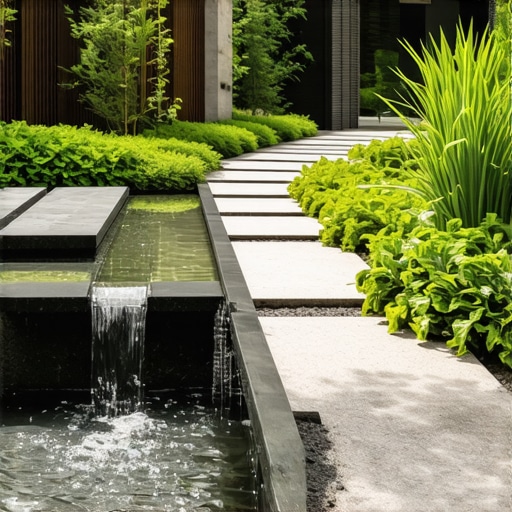
Breaking down large areas into smaller, defined sections adds depth. Use retaining walls, border edging, or raised beds to define spaces. Integrate lighting and water features to highlight key zones, enhancing safety and ambiance. When I installed a cascading waterfall feature with LED lights, it became the centerpiece, drawing eyes and creating a peaceful vibe that transformed the entire yard. Think of your garden as a story—each element should contribute to a unified narrative.
Improve Accessibility and Maintenance with Smart Pathways
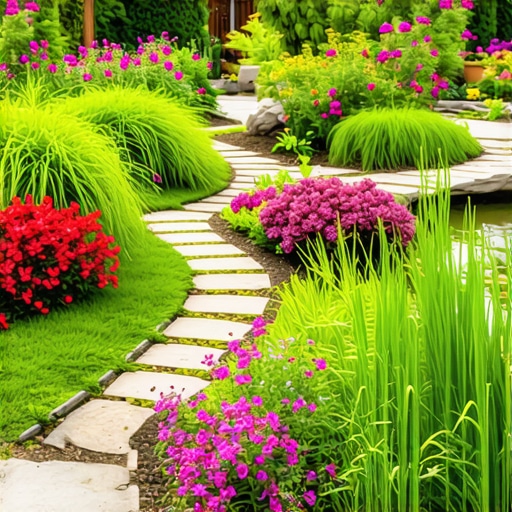
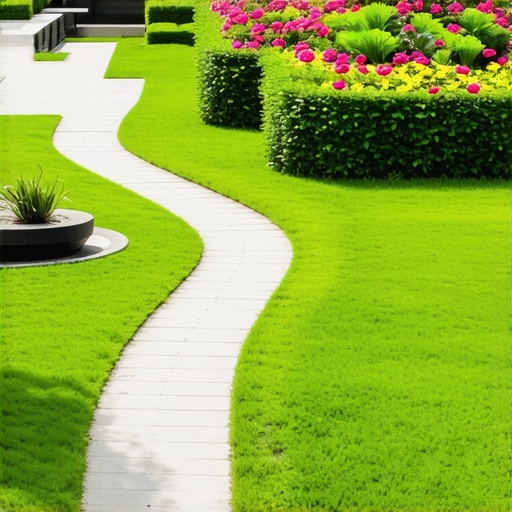
Opt for slip-resistant, low-maintenance surfaces like textured concrete or modular pavers. Ensure pathways are level and wide enough for wheelbarrows or garden carts. This makes ongoing upkeep easier and invites exploration. I learned this firsthand when designing my side yard; narrow or uneven paths made maintenance frustrating, but after widening and smoothing them, chores became less of a chore. Consider adding stepping stones across grassy areas as a budget-friendly alternative, which also lends a natural feel.
Plan for Sustainability and Future Growth
Implement eco-friendly features—rain gardens, reclaimed materials, native plants—that reduce water use and support local ecology. Position drought-tolerant plants near hardscaping to minimize irrigation needs, and use mulch to conserve moisture. I experimented with incorporating a rain chain and native xeriscape plants, which decreased my water bills and increased biodiversity. Think of your garden’s future as planting seeds today for a thriving landscape tomorrow. Regularly review and adapt your design to keep pace with changing trends and your evolving needs.
Many enthusiasts believe that landscaping is simply about choosing trendy plants or installing flashy features, but in reality, this approach often leads to costly mistakes and lackluster results. A widespread myth is that more plants and decorative hardscaping automatically create a stunning garden. In my experience, overplanting without a strategic plan can make a space feel cluttered and maintenance-intensive, diminishing its overall appeal. Instead, focusing on purpose-driven design—such as incorporating effective hardscaping strategies—ensures your garden remains both beautiful and functional over time.
Why Do So Many Get Lawn Care Wrong, and How Can You Avoid It?
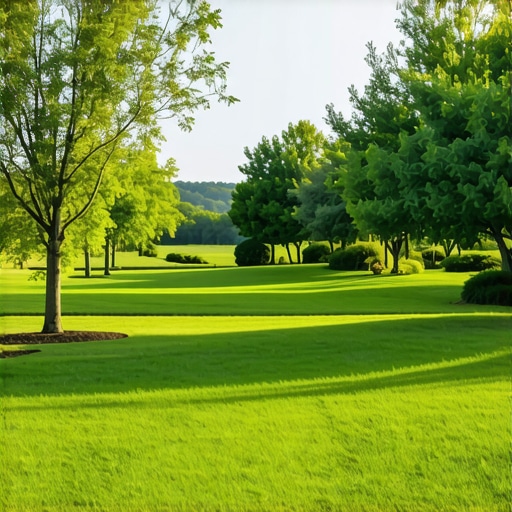
One of the most common pitfalls is neglecting soil health. Many assume a lush green lawn is solely about watering and fertilizing, but the secret to a truly healthy, resilient lawn lies beneath the surface. Compacted soil, poor drainage, and nutrient deficiencies are often hidden issues that cause patches, weed invasion, and disease. Regular soil testing and proper amendments are crucial—yet overlooked—steps that make a significant difference, as supported by turf management experts. Think of your soil as the foundation of a house; neglect it, and everything else collapses. Want to boost your lawn’s vitality? Discover modern lawn care tips designed to promote lasting health.
Another misconception is that mowing height doesn’t matter. Many over-mow, thinking it promotes thicker grass, but cutting too low stresses your turf and opens the door for weeds. Instead, raising mower blades to the ideal height for your grass type encourages stronger roots and prevents disease. This nuance often escapes beginners but makes all the difference in achieving lush, low-maintenance lawns. Learn more about proper mowing and fertilization techniques through proven methods outlined in industry reports.
Also, beware of the trap of using chemical shortcuts—over-reliance on synthetic fertilizers and pesticides can harm soil ecology and lead to long-term problems. Sustainable lawn practices, including organic fertilization and integrated pest management, embrace natural balance and environmental health. Ready to upgrade your lawn care approach? Explore cutting-edge, sustainable techniques with modern lawn care tips for 2025.
Finally, when designing your garden, the misconception that more ornamentation equals better results can backfire. Quality over quantity applies here—selecting a few impactful focal points, like a modern water feature or sculptural specimen plants, can create a more cohesive and striking landscape. Integration and balance are key, and understanding how hardscape elements like textured concrete or natural stone work together enhances aesthetic harmony. For inspiration, check out latest landscaping design trends.
Maintaining a beautiful, functional outdoor space requires more than just initial investment; it demands the right tools, consistent routines, and strategic planning for long-term success. As I’ve learned through hands-on experience, selecting specialized equipment tailored to each task significantly boosts efficiency and results. One essential tool I personally swear by is a high-quality cordless string trimmer, like the Stihl FSA 45. Its lightweight design and powerful battery enable quick pruning without the hassle of cords or heavy gas-powered engines, making routine trimming less daunting and more precise. For larger areas, I rely on a battery-powered mower such as the Ego Power+ LM2135, which provides the power of gas without emissions or noise, facilitating weekly lawn upkeep with less fatigue and environmental impact.
Beyond equipment, software tools have revolutionized landscape planning and management. I’ve integrated SketchUp into my design process to visualize my landscape before breaking ground, allowing me to experiment with plant placements and hardscape layouts virtually. This practice helps prevent costly mistakes and ensures the ultimate cohesion in the final result. Additionally, apps like My Garden assist in scheduling watering, fertilizing, and pruning, automating routine care and reminding me when each task is due. These digital aids reduce oversight and streamline maintenance, saving time for creative enhancements.
When considering long-term results, investing in quality landscaping materials and adopting the right maintenance routines pays dividends. For instance, installing permeable pavers not only modernizes the hardscape appearance but also reduces drainage issues and maintenance needs over time. Regular soil testing—using a digital soil test kit—provides insights into nutrient deficiencies or pH imbalances that can hinder plant health. Addressing these issues early keeps your plants resilient and your lawn lush, minimizing invasive treatments and fostering an eco-friendly approach.
Looking ahead, the trend is shifting toward smart gardening and automation. Moisture sensors connected via IoT devices enable real-time watering adjustments, conserving water and ensuring optimal soil moisture. Such innovations will become standard in well-maintained landscapes, emphasizing data-driven decision-making. I recommend trying out a soil moisture sensor like the Vegetronix VH400; it’s surprisingly affordable and integrates easily with home automation systems. This allows you to automate irrigation schedules intelligently, reducing waste and promoting healthier plants.
How do I maintain my landscape over time?’
Consistency is key. Establishing a routine inspection schedule, checking for signs of pests, diseases, or damage, ensures problems are caught early. Incorporate seasonal tasks—like aerating the lawn in spring and mulching in fall—to sustain health and curb weeds. Additionally, updating your hardscape and plant selections every few years based on evolving trends, as outlined in hardscaping trends for 2025, keeps your space fresh and inviting. Remember, investing in durable, high-quality tools and embracing automation, as well as maintaining a regular care schedule, will keep your landscape thriving for years to come. I encourage you to experiment with smart watering systems this season—they’ve transformed how I care for my garden and offer a glimpse into the landscape management of the future.
Lessons I Wish I Had Learned Sooner About Landscaping and Hardscaping
- One of the biggest realizations was that not every trendy plant or design fits your unique space; alignment with your goals matters more than following every fad blindly. I once overplanted, thinking more was better, only to realize clarity creates beauty.
- Understanding the importance of soil health transformed my approach; testing and amending soil created a foundation for lasting vibrancy that no amount of watering alone could achieve.
- Seeing hardscaping as an integral part of the whole landscape—not just an add-on—made my outdoor space more cohesive and manageable, saving me time and money in the long run.
- Embracing sustainable features like native plants and rain gardens changed the game, reducing maintenance while boosting ecological health—something I wish I prioritized earlier.
- Finally, consistent maintenance routines and leveraging smart tools, like moisture sensors, have kept my garden thriving with less effort—a lesson in working smarter, not harder.
Tools and Resources That Changed My Landscaping Game
- Effective Hardscaping Strategies: This resource provided point-by-point guidance on selecting durable, modern materials like permeable pavers and textured concrete, transforming my outdoor spaces. Check out this guide to stay ahead in your hardscaping projects.
- Modern Lawn Care Tips: Staying updated with the latest eco-friendly lawn practices helped me create a lush, resilient lawn with less chemical dependence. Discover more at this trusted resource.
- Landscape Design Inspiration: For visualizing my ideas and avoiding costly mistakes, I used design software like SketchUp, which proved invaluable. Explore these expert tips for your project.
- Automation Tools: Incorporating IoT devices like soil moisture sensors drastically reduced watering waste and kept my plants happier. I recommend trying these innovative gadgets.
Take the Leap and Cultivate Something Beautiful
Now is the perfect moment to start shaping your dream garden for 2025. Remember, the insights gained from my journey are meant to inspire you to experiment, adapt, and maybe even make mistakes—because growth often comes through challenge. Approach your landscape like an evolving masterpiece, balancing bold design choices with practical sustainability. Your outdoor space has the potential to be a sanctuary of beauty and function, waiting for your personal touch. What’s one change you’re excited to try in your garden this year? Share your ideas below and let’s grow together.
![5 Groundcovers That Kill Weeds in 2026 [No Mowing]](https://lawnmajesty.com/wp-content/uploads/2026/04/5-Groundcovers-That-Kill-Weeds-in-2026-No-Mowing.jpeg)