I remember the first time I laid permeable pavers in my backyard, excited about eco-friendly drainage and a sleek modern look. Fast forward a few years, and I found myself staring at uneven surfaces, weed intrusion, and costly repairs that seemed to pop up out of nowhere. It was a lightbulb moment—my enthusiasm had led me to overlook some critical mistakes. If you’re like me, eager to upgrade your landscape but worried about mistakes ruining your garden’s future, you’re not alone.
Why Getting Permeable Paver Installation Right Matters Today
Permeable pavers are rising in popularity for good reason—they help manage stormwater, reduce runoff, and create a sustainable outdoor space. But, surprisingly, many homeowners make common errors during installation that can sabotage their landscape in just a few short years. These mistakes often result in sunken patios, unwanted weed growth, or drainage issues, turning a once-beautiful yard into a maintenance nightmare. If you’re planning your outdoor upgrade for 2026, understanding what can go wrong now will save you a lot of headaches later.
Is This New Craftsmanship Truly Worth the Risk?
Initially, I thought that following online tutorials and skipping professional advice would be enough. Turns out, my early shortcut created more problems than solutions. I’ve learned that even small oversights—like poor base preparation—can compromise your entire hardscape. A recent study by the American Society of Landscape Architects notes that improper installation is a leading cause of hardscape failure, which emphasizes the importance of doing it right the first time. If you’ve faced similar doubts or fear of wasting money, know that proper planning and execution are well worth the effort.
Now, let’s explore how to dodge these mistakes from the start so your backyard remains a stunning, functional space for years to come. From foundation prep to selecting materials, I’ll share everything I wish I knew before diving into my own project—so you won’t have to learn the hard way.
,
Prepare a Solid Foundation
Begin by excavating the area to about 8-12 inches deep, removing existing soil, roots, and debris. Compact the subsoil using a plate compactor, ensuring it’s firm and even. Think of this as laying the groundwork for a sturdy shoe; if you don’t pack the base properly, everything else will wobble or sink. I once skipped this step on a small patio, resulting in uneven surfaces that required costly rework, so take your time to get this right. For added stability, add a 4-inch layer of crushed stone or gravel, then compact again to create a reliable base.
Design with Purpose and Flexibility
Plan your layout considering drainage, foot traffic, and aesthetic flow. Use string lines and stakes to outline your pattern, ensuring straight lines or appropriate curves. Having a precise design acts like a blueprint for construction, preventing misalignments that can cause shifting or unevenness. When I designed my pathway, I laid out the pattern with spray paint first—saving me from costly mistakes and re-laying later. For borders, consider materials like landscape edging or metal strips to keep pavers in place and prevent spreading.
Lay Pavers Correctly
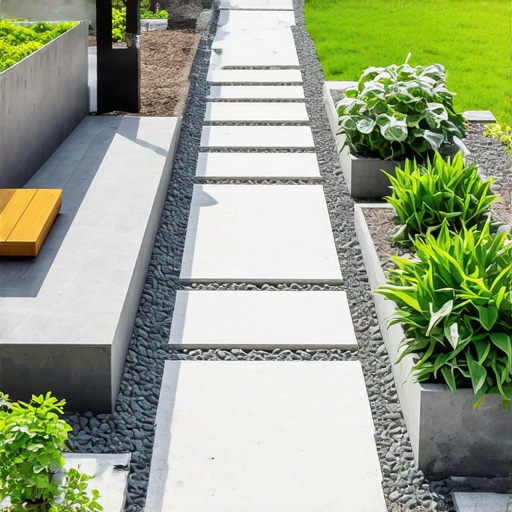
Start placing your permeable pavers from one corner, working towards the opposite end to maintain alignment. As you set each paver, use a rubber mallet to gently tap it into position, ensuring it’s level with neighboring stones. Imagine it like fitting pieces of a jigsaw puzzle—every piece must snugly fit for a seamless surface. Check level frequently using a straight board or level and adjust as needed. Don’t forget to leave consistent gaps as per manufacturer recommendations—this allows for joint sand and permeability. I learned the importance of this when uneven gaps led to weed invasion, prompting me to re-lay a segment for a professional finish.
Fill Joints with Proper Material
Sweep jointing sand or a specialized permeable joint filler into the gaps, then wet the surface lightly. This locks the pavers in place and promotes permeability. Avoid using regular sand that can wash out; opt for polymeric sand or gravel designed for permeable surfaces. Think of this step like filling mortar between bricks—it seals the structure while maintaining drainage. In a failed project, using standard sand caused the joints to erode quickly, leading to shifting pavers and increasing maintenance needs. Consistent joint filling ensures your hardscape remains stable and functional over the years.
Ensure Optimal Drainage and Compaction
After installation, inspect the surface for any dips or uneven spots and make necessary adjustments. Use a plate compactor again over the entire area to settle the pavers and joint material, reducing future shifting. Proper compaction is like packing down snow—the denser it is, the less likely it is to shift or settle. Additionally, check that the finished surface slopes away from structures to direct water runoff, preventing pooling or erosion. I once overlooked this and faced drainage issues, turning a beautiful patio into a soggy mess. Proper grading and compaction act as insurance for long-term success.
Maintain and Monitor
Periodically clean your permeable surface using a broom and a gentle hose spray. Remove debris and weeds promptly to prevent root intrusion, which can destabilize the pavers. Applying a permeable joint stabilizer annually or biannually can further protect your hardscape. Think of maintenance as regular health checkups; staying proactive prolongs the lifespan of your installation. I added a layer of gravel under my pavers after a few years, which significantly improved drainage and minimized weed growth, demonstrating how ongoing care pays off.
While many enthusiasts believe they know the essentials of effective landscaping, there are subtle nuances that often go unnoticed, leading to costly mistakes or less-than-optimal results. One prevalent misconception is that more plants and complex designs automatically make a garden more beautiful. In reality, understanding the balance between plant selection, space, and functionality is crucial. Overcrowding can hinder growth, promote disease, and diminish visual appeal. Professional landscape architects emphasize the importance of strategic spacing and choosing native or well-adapted plants to ensure sustainability and ease of maintenance, a principle highlighted in recent landscaping trends for 2025.
What Do Most People Fail to Recognize About Lawn Care Dynamics?
Many assume that frequent watering and fertilizing will guarantee a lush lawn. However, this overlooks the hidden intricacy of soil health and microbial balances. Excessive fertilization can actually harm beneficial soil organisms, leading to a dependency cycle and increased disease susceptibility. Experts suggest adopting a more nuanced, soil-centered approach, including regular soil testing and integrated nutrient management, as outlined in modern lawn care tips for 2025. Recognizing these unseen factors helps homeowners avoid the trap of over-application, promoting a resilient, eco-friendly turf.
Moving on to hardscaping, a frequent misconception is that more elaborate or larger features will automatically improve outdoor spaces. Actually, over-scaling elements can overshadow natural beauty and create a cluttered look. Sophisticated hardscaping ideas for 2025 advocate for minimalism and proper proportion—a subtle art that enhances flow rather than obstructs it. Incorporating clean lines, thoughtful material contrasts, and purposeful placements tends to deliver a more harmonious and lasting impression.
Another nuanced aspect involves garden lighting. Many think that simply adding lights increases ambiance, but poorly planned lighting can cause glare, disturb nocturnal wildlife, and diminish the garden’s natural charm. Effective lighting design integrates layered illumination, focusing on safety, aesthetics, and environmental harmony. Professionals recommend selecting fixtures with warm color temperatures and strategic placement, backed by studies on light pollution’s impact on ecosystems, as discussed in landscape design tips for 2025.
Lastly, for those venturing into vertical gardens or unusual planting arrangements, the myth persists that novelty guarantees success. Yet, overlooking structural support, microclimate effects, and maintenance can lead to failure. Experts advise careful planning, considering factors like wind exposure and access, to ensure sustainability and ease of upkeep. These nuanced considerations often escape the novice eye but make all the difference in creating resilient, striking garden features.
Have you ever fallen into this trap of overlooking the subtleties? Let me know in the comments. By digging into these deeper layers of knowledge, you can elevate your landscape projects from good to extraordinary, avoiding pitfalls that many overlook. For comprehensive insights on current trends and advanced techniques, explore the latest guides on garden design and hardscaping trends.
,
Keep Your Landscape Running Smoothly with the Right Tools and Strategies
Maintaining a thriving landscape doesn’t have to be overwhelming if you leverage the right equipment and methods. I personally swear by a few key tools that have made my gardening and hardscaping efforts more efficient and effective. One indispensable item is a high-quality handheld soil moisture meter, which helps me determine precisely when my plants need watering. Over- or under-watering can be detrimental, so having real-time data ensures my lawn and garden get just the right moisture levels, aligning with modern lawn care tips.
For larger hardscaping projects, I rely on a robust vibrating plate compactor. It might seem like a no-brainer, but investing in a well-maintained, gas-powered model with adjustable settings has dramatically reduced the time and labor I spend leveling areas and ensuring proper base stability, which is vital for long-term durability. This aligns with insights from effective hardscaping ideas, emphasizing the importance of proper compaction.
When it comes to ongoing maintenance, I use a combination of rotary and cordless pole pruners. Their precision allows me to keep trees, shrubs, and perennial borders healthy and tidy, minimizing disease risks and promoting vigorous growth. Regular pruning is crucial, especially for maintaining the aesthetic flow and structural integrity of your landscape, as highlighted in expert guides on landscape upkeep.
Software tools are also changing the game, enabling me to plan and visualize seasonal updates or pest management schedules. Programs like GardenPlanner or Landscape Design Software provide 3D modeling and scheduling support, ensuring I stay ahead of maintenance tasks before problems escalate. As gardening enters a more digital phase, similar tools will likely become standard in the landscape maintenance toolkit.
Though these tools are invaluable, integrating them into a cohesive maintenance plan is key. Scheduling regular checks, seasonal pruning, and soil testing—using tools like a pH tester or fertilizer analyzer—ensure your landscape remains lush and resilient. I recommend attempting to implement at least one new maintenance technique this season, such as precise soil moisture monitoring or upgrading your pruning gear, to see immediate benefits.
How do I keep my landscape in top shape over time?
Consistent monitoring and timely interventions prevent small issues from turning into costly repairs. Remember, investing in quality tools and education about their use enhances your ability to sustain your outdoor space. Keep up with the latest trends and insights by exploring modern gardening techniques and hardscaping developments for 2025. Making small, strategic upgrades now will pay dividends in future years, helping your landscape thrive with less effort and more satisfaction.
Lessons Hidden in My Hardscaping Journey
One major lesson I learned is the significance of thorough base preparation—skimping here can lead to uneven surfaces and costly repairs down the line. Additionally, I realized that meticulous joint filling with the right materials isn’t just a detail; it’s the backbone of durability. Another revelation was how proper drainage grading isn’t just about aesthetics but crucial for long-term functionality. Lastly, I discovered that ongoing maintenance, like weed control and joint stabilization, plays a pivotal role in preserving the hardscape’s beauty and performance over the years.
Tools and Resources That Elevated My Landscaping Game
For anyone serious about creating a resilient outdoor space, investing in a high-quality plate compactor has been a game-changer—reliable compaction is critical. A precision soil moisture meter helped me avoid overwatering, saving time and resources. I also turned to expert guides, such as those available on effective hardscaping ideas, which provided insights beyond basic tutorials. Lastly, employing a good-quality joint stabilizer has ensured my permeable pavers stay secure and functional, even in challenging weather.
Empower Your Landscape Dreams Today
Your outdoor transformation is within reach, and with a little insight and effort, you can craft a landscape that’s both stunning and sustainable. Remember, the key is to approach your project with patience, attention to detail, and a willingness to learn from experiences—your dream yard is worth it. For ongoing inspiration and advanced techniques, explore garden design breakthroughs and hardscaping trends for 2025. Your best outdoor space is just a smart project away—start today and watch it flourish.
This post really resonated with me because I’ve faced similar issues with my permeable pavers over the years. Proper foundation and joint filling are often overlooked but make such a difference in longevity and appearance. I was surprised how many weeds can invade through even tiny gaps if the right materials aren’t used. I agree with the importance of grading for drainage, as I once had a beautiful patio turn into a soggy mess just because I neglected that step. Has anyone here found a great way to ensure consistent slope during installation? I’d love to hear tips for maintaining that perfect grade as the project progresses. Overall, this was a helpful reminder that a little extra effort at the start can save so much trouble down the line, and I’m motivated to revisit my own hardscape to optimize it before the next big storm or weed invasion.