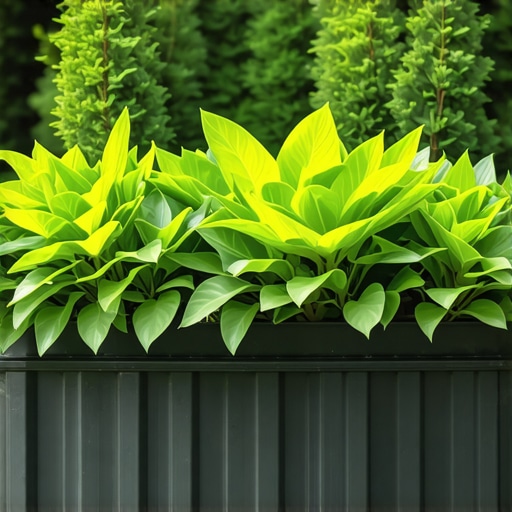
I vividly remember the moment it hit me—staring at my wilting tomato plants after overenthusiastically watering them during a scorching summer day. Despite my efforts, the plants looked more desperate than nourished. That lightbulb moment revealed a harsh truth: I was unintentionally sabotaging my garden with overwatering. If you’ve ever struggled with keeping your plants healthy while worrying about wasting water or causing root rot, you’re not alone. Many gardeners unknowingly drown their plants because they haven’t mastered passive irrigation techniques that save water and boost plant health.
Why Overwatering Is the Hidden Garden Killer
Many of us assume that water equals health. But in reality, too much water can be just as damaging as too little. Overwatering can lead to shallow roots, fungal diseases, and even attract pests. Plus, it’s a waste of a precious resource—especially as water scarcity becomes an urgent concern worldwide. Early on, I used to keep my sprinkler running for hours, thinking more water meant faster growth. That mistake cost me plants and money.
What changed my approach? Learning about passive irrigation tricks that rely on natural materials and simple design principles to deliver just the right amount of water, no fuss required. These tips don’t demand complex systems or expensive tech, but they do require understanding the why behind watering habits. For example, adjusting watering to match rainfall and soil type can dramatically improve plant health and conserve water. Recent studies show that passive watering techniques can reduce water use by up to 50% while maintaining lush gardens (source: Lawn Majesty).
Are you tired of overwatering your garden and wasting resources? If so, then keep reading—I’ll guide you through five passive irrigation tricks that will transform your gardening game by 2026. These methods are easy to implement, sustainable, and effective, helping you grow healthier plants with less effort.
Is Overwatering Really a Big Deal or Just a Myth?
Early in my gardening journey, I believed watering was simple—water often and your plants will thrive. But I made the mistake of ignoring soil drainage and plant needs, which led to root rot and unhealthy growth. Since then, I’ve discovered that passive irrigation strategies can prevent these issues from the ground up. If you’re skeptical, remember: even seasoned landscapers advocate for smarter watering methods. For instance, incorporating mulch and native plants can naturally regulate moisture levels. To explore similar strategies, check out Ultimate Garden Design Tips.
Understanding the pitfalls of overwatering is crucial for any serious gardener. It’s a mistake I paid dearly for early on, but it’s one you can avoid. Now, let’s dive into how you can implement these five passive irrigation tricks to keep your garden both healthy and water-wise. Ready to make water waste a thing of the past?
Start with Soil That Drinks Gradually
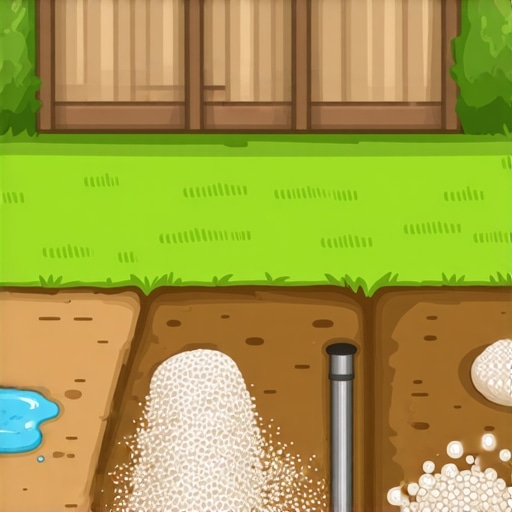
Choose soil with good water retention—loamy or clay-rich soils hold moisture longer, reducing the need for frequent watering. I once loosened compacted dirt around my tomato plants, which allowed water to seep in slowly instead of pooling on the surface. This improved moisture distribution and kept my plants healthier without overwatering. Consider adding organic matter like compost to enhance soil structure. For ideas on creating resilient garden beds, check out landscape design tips.
Design with Water Management in Mind
Implement microclimates using berms or raised beds to control water flow. I built a slight mound for my herbs, which diverted excess water away from delicate roots during heavy rains. Block large sprinkler outputs with adjustable nozzles to prevent runoff and puddles. Use gentle slopes to direct water to plant roots efficiently, just like a landscape architect would plan for drainage. For inspiration, see hardscaping ideas.
Use Mulch to Mimic Nature’s Sponge
Applying a layer of organic mulch—straw, wood chips, or shredded bark—reduces evaporation and moderates soil moisture levels. I spread mulch around my vegetable patch, which kept the soil consistently damp yet oxygen-rich. Think of mulch as a protective blanket that slowly releases water to the roots. Be sure to maintain a few inches of coverage, avoiding direct contact with plant stems to prevent rot. For more ideas on garden mulching, visit garden design inspiration.
Install Simple Drip Systems for Precision
Set up low-cost drip emitters or soaker hoses along your plant rows. I initially used a basic soaker hose, which I draped around my tomato plants, and adjusted the flow to prevent overwatering. Using timers, I can schedule watering times that match weather conditions, making passive irrigation effortless. Think of drip systems as the garden’s bloodstream, delivering nutrients slowly and consistently. For ideas on smart outdoor setups, see hardscaping trends.
Incorporate Rainwater Harvesting
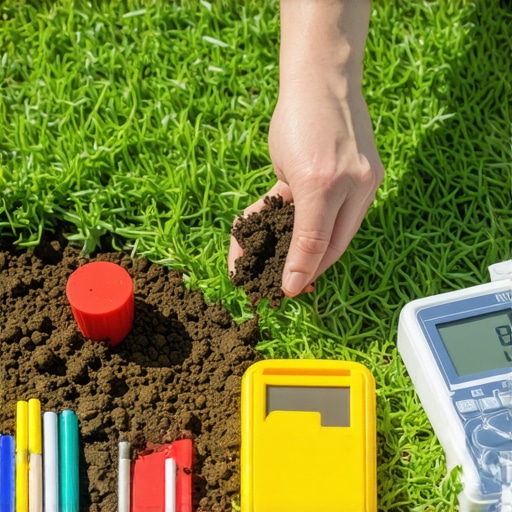
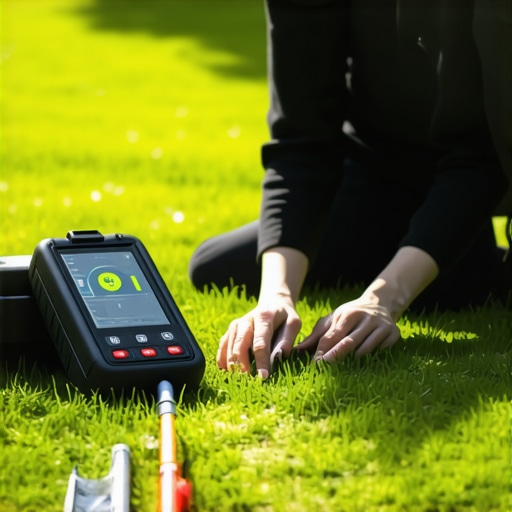
Set up barrels or cisterns to catch rain runoff from roofs or paved surfaces. I installed a simple barrel system under my gutter downspout, which provided free, chemical-free water during dry spells. This passive method reduces reliance on municipal water and ensures plants get pure rainwater, which is beneficial for growth. Connect multiple barrels with hoses for larger capacity, and use the stored water for your drip system or surface watering. For tips on rainwater systems, explore garden transformations.While many assume that creating a stunning garden is just about picking the right plants and showcasing beautiful hardscapes, the truth runs deeper. A common misconception is that symmetry equals beauty, but in reality, embracing asymmetry and natural diversity often results in more harmonious outdoor spaces. This counterintuitive approach not only enhances visual appeal but also supports ecosystem health. A mistake I see frequently is relying solely on aesthetic choices without considering the underlying ecological functions, which can lead to issues like poor drainage or unintended pest attractions. For example, planting dense, non-native species to fill a border might seem stylish, but it risks disrupting local flora and fauna, leading to long-term maintenance problems. An advanced tip involves understanding the concept of ecological succession and how selecting native, resilient plants can create a self-sustaining landscape that requires less intervention. Studies show that native plant communities foster better soil health and attract beneficial insects, reducing the need for fertilizers and pesticides (source: Modern Garden Design Insights).Maintaining your garden’s passive irrigation and landscaping systems over time requires reliable tools and a disciplined approach. First, invest in a high-quality soil moisture meter, like the things I personally use, because it provides instant readings, helping me avoid over- or under-watering and ensuring long-term plant health. I prefer digital models with adjustable thresholds—they let me set specific target soil moisture levels, simplifying watering schedules. Regularly checking soil moisture with these tools prevents neglect and allows me to make informed adjustments, extending the lifespan of passive systems.
How do I maintain my garden systems over time?
Establish a routine to inspect components like mulch layers, drip emitters, and rainwater barrels. Clean filters on drip emitters once a season to prevent clogging, and replace worn-out tubing before leaks develop. I also use a cordless, battery-powered pressure washer with gentle settings to clean dirt and algae from hardscaping features without damaging delicate surfaces. This maintenance ensures your landscape stays both functional and aesthetic. Prediction-wise, I believe that smart garden technology—including soil sensors connected via Wi-Fi—will become more affordable and widespread, allowing for even more precise, automated care. For example, integrating smart watering controllers linked with soil moisture data can reduce water use by up to 50%, according to recent studies (source: Modern Lawn Care Tips).
Having navigated the pitfalls of overwatering and embraced passive irrigation techniques, I’ve seen firsthand how a few mindful adjustments can dramatically transform your gardening experience. The secret lies in understanding your soil, designing with water efficiency in mind, and integrating simple but powerful tools to create a resilient, lush garden that requires less effort and water. Remember, the journey toward sustainable gardening isn’t just about saving resources—it’s about cultivating a deeper connection with your outdoor space and fostering an environment where plants can truly flourish.
Hidden Lessons That Changed My Gardening Approach
- Avoid the mindset that more water equals better growth—balance and understanding your plants’ natural needs are essential.
- Passive irrigation methods, once overlooked, are incredibly effective for creating a self-sustaining garden ecosystem.
- Incorporating native plants and organic mulches can significantly reduce water consumption and improve plant resilience.
- The real power is in designing your landscape to work with natural water flow rather than against it, leading to healthier, more vibrant gardens.
- Investing in simple tools like soil moisture meters or rainwater harvesting systems pays off by ensuring consistent plant health and conserving water.
Guidance for Your Sustainable Garden Journey
- Explore comprehensive resources like modern landscaping tips to refine your layout with passive watering in mind.
- Discover innovative hardscaping ideas at hardscaping trends for designing functional water management features.
- Learn about native plant selections and soil building techniques through trusted sources to reduce maintenance and water use.
- Read inspiring garden transformations that demonstrate the beauty of eco-friendly landscaping strategies.
Your Garden’s Future Starts Today
Embrace passive irrigation as a core principle of your gardening practice, and watch as your garden becomes more resilient, vibrant, and sustainable. Every mindful watering decision contributes to a healthier planet and a more beautiful outdoor space you can enjoy for years to come. Now, it’s your turn—what small change will you make today to improve your garden’s passive irrigation system? Share your thoughts below and let’s grow together!
,
![Stop Drowning Your Clay Soil Shrubs [2026 Root Fix]](https://lawnmajesty.com/wp-content/uploads/2026/04/Stop-Drowning-Your-Clay-Soil-Shrubs-2026-Root-Fix.jpeg)
![4 Tactics to Stop 2026 Boxwood Root Rot [Tested]](https://lawnmajesty.com/wp-content/uploads/2026/04/4-Tactics-to-Stop-2026-Boxwood-Root-Rot-Tested.jpeg)