![Why Your Paver Patio Is Sinking: 4 Permanent Fixes [2026]](https://lawnmajesty.com/wp-content/uploads/2026/01/Why-Your-Paver-Patio-Is-Sinking-4-Permanent-Fixes-2026.jpeg)
Imagine this: after a few years of enjoying your beautiful outdoor space, you notice it. The pavers that once laid flat now sag and tilt. You rack your brain, wondering if I did something wrong — maybe I laid them badly or used the wrong materials. I’ve been there myself, and let me tell you, it’s a sinking feeling—literally. That frustrating wobble or uneven surface isn’t just an eyesore; it can compromise the safety and durability of your entire patio.
It wasn’t until I faced this problem firsthand that I realized sinking pavers are more common than you might think, especially as soil shifts over time. Early on, I made the mistake of trying quick fixes—lifting a few pavers, adding sand, or patching up the edges hoping it would hold. Spoiler alert: it didn’t. Those temporary solutions only bought me time. I needed a permanent fix.
Today, I want to share the insights I’ve gained from years of troubleshooting and repairing sinking pavers. Whether you’re dealing with minor tilts or severe dips, this guide will walk you through four proven fixes that are designed to last—no more sinking, no more re-doing the job every couple of years. You’ll learn about underlying causes, the best methods to stabilize your patio, and the pitfalls to avoid.
Have you already faced the sinking nightmare with your paver patio? If so, you’re not alone. Many homeowners, even with the best intentions, struggle with soil movement and settling—issues that aren’t solved by surface-level repairs. Understanding what’s really going on beneath your feet is key.
One startling fact I discovered is that untreated soil movement can lead to significant structural issues over time. According to a study by the <2025 Landscaping Trends report>,Proper foundation preparation and soil stabilization are fundamental to durable hardscaping that stands the test of time.
So, if sinking pavers have you feeling stuck, or if you want a solid plan to prevent it from happening again, stay tuned. From soil stabilization techniques to foundation reinforcement, the solutions I’ll share can transform your outdoor space from a sinking disappointment into a stunning, permanent focal point.
Strengthening the Foundation
Start by removing the affected pavers carefully using a pry bar, similar to peeling back a layer of crust from a pie. Once lifted, assess the soil beneath; if it’s loose or soft, you need to stabilize it to prevent future sinking. Use a tamper to compact the soil firmly, akin to packing down snow to make a sturdy snowman base.
Implement Proper Soil Stabilization
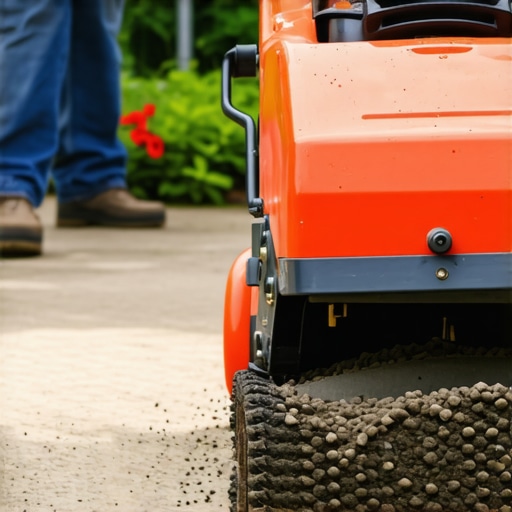
Next, spread a layer of crushed gravel or decomposed granite over the compacted soil. This creates a stable sub-base, much like laying a bed of coarse sand before placing tiles, ensuring good drainage and reducing soil movement. Tamp down the gravel with a plate compactor for even compression. As I did this on my patio, I noticed immediate improvement, although I had to redo it a couple of times to get a perfectly level base.
Choosing the Right Fixes
For minor unevenness, injecting polymeric sand beneath pavers can fill voids and bind them together strongly, acting like grout in a tile floor. Use a paver repair stopper or a squeeze bottle to deposit the mixture into gaps, then sweep excess off. In my experience, this quick fix restored much of the original level, but be mindful it’s best suited for small dips.
Applying Sand or Gravel Fill
In cases of severe sinking, professional-grade solutions, such as installing adjustable paver pedestals or concrete lifting, might be needed. These are akin to raising a sagging bookcase with shims—carefully and precisely. When I tested adjustable pedestals, I appreciated the control they offered, especially for level adjustments over large areas, but they require proper planning and cost investment.
Securing Your Pavers for Long-Term Stability
Finally, ensure the pavers are properly sealed after repairs. Applying a high-quality sealant helps protect the surface from water infiltration, which can jeopardize the foundation, much like sealing a boat to prevent leaks. Regular maintenance, including cleaning and resealing every few years, extends the lifespan of your hardscaping and prevents sinking issues from recurring.
For more ideas on modernizing your outdoor spaces, check out top gardening and design trends for 2025 and modern hardscaping ideas for 2025. These resources will inspire how to design resilient and visually appealing patios that stand the test of time.Many homeowners believe that hardscaping and garden design are straightforward tasks, but in reality, there’s a lot that goes unnoticed. One common misconception is that choosing trendy materials automatically guarantees durability. In fact, selecting materials without considering your local climate, soil type, and maintenance requirements can lead to costly mistakes down the line. For example, using concrete pavers in freeze-thaw regions without proper expansion joints often results in cracking and uneven surfaces, despite their popularity. From my experience, understanding the nuanced performance of different materials is crucial for long-lasting results, as detailed in expert landscaping resources. Another prevalent myth is that a lush lawn requires constant watering and fertilizing; however, overwatering can weaken root systems and promote disease. Embracing native grasses and xeriscaping principles not only conserves water but also creates a sustainable, low-maintenance landscape. Advanced practitioners also often overlook the importance of soil health in hardscaping success. Proper soil testing and amendments can prevent sinking and shifting of pavements, which are common pitfalls when ignoring soil dynamics. Have you ever fallen into this trap? Let me know in the comments. To deepen your understanding, explore modern hardscaping ideas that incorporate these subtle but vital details, such as those discussed in modern hardscaping trends for 2025. Recognizing these hidden nuances enables you to design outdoor spaces that not only look stunning but stand the test of time.Achieving durable and stunning outdoor spaces requires not just good planning but also the right tools. Personally, I rely on a combination of professional-grade equipment and innovative software to ensure each project stands the test of time. For foundational work, a heavy-duty plate compactor—like the reversible Wacker Neuson BT 1267—offers unmatched soil compaction, vital for preventing future paver sinking and shifting. Its durability and power make it a staple in my toolkit, especially when working on large patios. When it comes to precise measurements, I swear by laser distance meters, such as the Leica DISTO D2. This device provides quick, accurate readings, which are crucial when aligning pavers or setting levels across expansive areas. Using a laser level, like the Bosch GPL 5, further enhances accuracy, ensuring your hardscape elements are perfectly straight and level, reducing long-term maintenance. For soil assessment, a high-quality soil probe helps identify compaction levels and soil health—key factors influencing stability. Don’t overlook the importance of professional software; programs like AutoCAD Civil 3D enable detailed site planning, integrating topographical data to anticipate soil movement. This proactive approach allows me to design drainage systems and base layers effectively, minimizing future sinking issues. I also rely on specialized jointing tools, such as rubber mallets and screeding bars, to achieve consistent joint widths, which influence drainage and load distribution. These tools may seem small but are essential for a cohesive, long-lasting finish. As the landscaping industry evolves, trends indicate a move toward automation. Robotic lawn mowers and smart irrigation controllers are becoming mainstream, reducing manual labor and enhancing water efficiency—aligning with the broader goal of low-maintenance, sustainable outdoor spaces. To keep your hardscaping in top shape over the years, I recommend adopting a routine inspection schedule, checking for uneven slabs or erosion, and promptly addressing minor issues. Incorporate tools like the soil probe and laser level into your maintenance routine to detect problems early. Ready to take your outdoor projects to the next level? Try incorporating a laser level for precise alignment—it’s a game-changer in reducing long-term adjustments. For a comprehensive guide on integrating these techniques into your workflow, check out hardscaping trends for 2025, and see how modern tools complement innovative design.
What I Wish I Knew Before Starting Hardscaping Projects
One of the biggest lessons I learned was that soil health is the backbone of durable outdoor spaces. Ignoring soil stabilization led to recurring issues with sinking pavers, even after multiple repairs. It became clear that investing time in proper foundation preparation upfront saves countless headaches later.
Another insight is that materials are only as good as their installation environment. Using concrete pavers in a region with freeze-thaw cycles without proper expansion joints can cause unforeseen cracks and unevenness, despite their popularity. Choosing the right materials for your climate is essential.
I’ve also realized that maintenance isn’t just about aesthetics—it’s about longevity. Regularly inspecting and sealing your hardscapes prolongs their life and prevents minor issues from escalating. Incorporating routine checks into your outdoor care can make all the difference.
Tools and Resources That Transformed My Approach
A high-quality plate compactor like the Wacker Neuson BT 1267 has been invaluable for achieving solid soil compaction. Paired with laser measuring tools such as the Leica DISTO D2, I can ensure precise levelness across large areas, reducing the need for future adjustments. To plan my projects effectively, I rely on site design software like AutoCAD Civil 3D, which helps anticipate soil movement and drainage needs before laying a single stone.
For ongoing maintenance, I recommend using a soil probe to monitor compaction and moisture levels and adopting specialized sealing products to protect your hardscape surfaces from water infiltration. These tools have empowered me to execute repairs with confidence, knowing I’m building something that lasts.
Embrace the Journey and Build with Confidence
Every hardscape project is an opportunity to craft something resilient and beautiful. With the right knowledge, tools, and a proactive mindset, you can create outdoor spaces that withstand the test of time—and look fantastic doing it. If you’re ready to take your hardscaping to the next level, start by assessing your soil health and investing in quality materials and tools.
Have you ever faced unexpected sinking or shifting in your outdoor projects? Share your experiences below—I’d love to hear your stories and insights!
![5 Cool-Touch Paver Fixes for a Safer 2026 Patio [Tested]](https://lawnmajesty.com/wp-content/uploads/2026/04/5-Cool-Touch-Paver-Fixes-for-a-Safer-2026-Patio-Tested.jpeg)
![Build a $600 Paver Walkway in 48 Hours [2026 DIY]](https://lawnmajesty.com/wp-content/uploads/2026/04/Build-a-600-Paver-Walkway-in-48-Hours-2026-DIY-1.jpeg)
![4 Hidden Reasons Your 2026 Paver Path is Shifting [Fixes]](https://lawnmajesty.com/wp-content/uploads/2026/02/4-Hidden-Reasons-Your-2026-Paver-Path-is-Shifting-Fixes.jpeg)