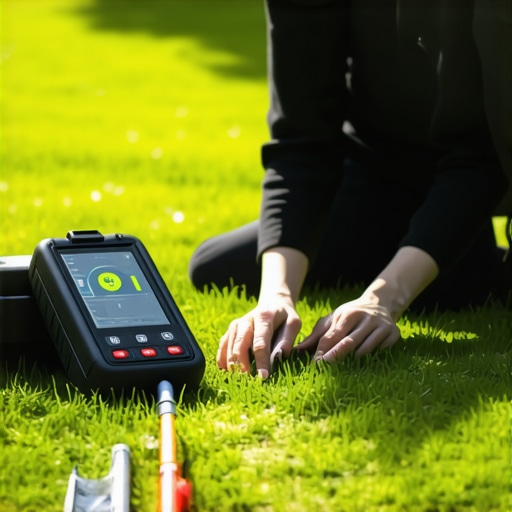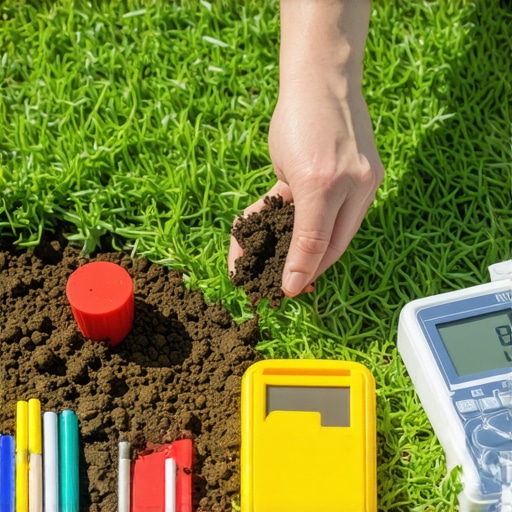
I’ll never forget the spring I decided to overhaul my yard. I spent weekends planting, mulching, and putting up those decorative garden borders. But come summer, my lush green dream turned into patches of brown and stubborn weeds that refused to die. The turning point? I realized I had no idea what my soil truly needed. That lightbulb moment revealed a simple truth: without knowing what’s beneath our feet, all the watering and fertilizing in the world won’t give us the vibrant lawn we want.
Why Soil Testing Is the Key to Your 2026 Lawn Dreams
As a homeowner who’s been through the frustration of patchy grass and wasted resources, I can tell you that the secret to a sustainable, healthy lawn isn’t just about frequent watering or buying expensive fertilizers. It’s about understanding your soil’s unique composition. Recent studies show that nearly 85% of lawns suffer from soil imbalance, leading to poor grass growth and increased weed problems (source: University of Nebraska). Imagine spending all that time and money, only to be fighting nature instead of working with it. That’s where soil testing comes in—providing precise insights that save you money, time, and disappointment. With a proper understanding of your soil, you can tailor your lawn care approach, ensuring lushness and resilience by 2026. Are you tired of the guesswork and hoping? Keep reading, because I’m about to share the most important tests every homeowner should run—based on my own experience and expert advice—to turn your yard into a verdant paradise.
Start with a Soil Test
Before you even think about watering or fertilizing, conduct a soil test to understand its pH, nutrient levels, and texture. I recall when I first did this, my soil was overly acidic, which made my lush grass struggle. Using affordable home testing kits or sending samples to a local lab provides precise data, guiding your next steps and avoiding costly guesswork.
Analyze Your Test Results and Plan Accordingly
Once you have your results, customize your approach. If the soil is lacking nitrogen, apply a nitrogen-rich fertilizer. If pH is off, consider lime or sulfur to adjust it. Think of it like tuning a musical instrument—small tweaks can produce a harmonious yard instead of a discordant one. Keep records of these adjustments for future reference and ongoing success, much like I did when I corrected a soil imbalance that had left my grass patchy and uninviting.
Amend Your Soil for Better Growth
Soil amendments like compost or organic matter improve soil structure and nutrient availability. I incorporated compost into my flower beds, which resulted in visibly healthier plants within weeks. During the process, till the amendments into the top few inches of soil, ensuring they integrate well—this step is crucial for reaping the benefits. If your soil is heavy clay, adding organic material can create better drainage and roots’ easier growth, transforming a stubborn patch into a vibrant green space.
Implement a Targeted Fertilization Schedule
Based on your test data, develop a fertilization plan that matches your lawn’s specific needs. For example, phosphorus for root development or potassium for drought resistance. I set a calendar to apply fertilizers at optimal times, aligning with grass growth cycles. This proactive approach prevents deficiencies and promotes consistent, lush growth. Remember, over-fertilizing can harm your yard, so follow recommended rates closely and observe results.
Evaluate and Adjust as Needed
After a few months, retest your soil to assess changes and refine your approach. I learned this the hard way when I ignored my soil’s evolving needs, leading to patchy areas again. Regular monitoring allows you to make informed adjustments, ensuring your lawn remains healthy. Even during this process, observe your grass’s response—different grass types and seasons may require tweaks. This cyclical assessment keeps your yard resilient and vibrant, setting the foundation for future landscaping projects, whether you decide to explore modern design ideas or incorporate sustainable features.
By systematically testing, analyzing, amending, and adjusting your soil, you’re setting the stage for a truly thriving lawn. This process might seem detailed initially, but the payoff in healthier grass, fewer weeds, and less wasted effort makes it worthwhile. For inspiration on transformative garden design that complements your beat-up soil, see modern landscaping ideas. The more you invest in the foundation—your soil—the better your outdoor space will become.
In the world of landscape transformation, many homeowners fall prey to widespread myths that hinder their progress. One prevalent misconception is that more plants and ornaments automatically translate to a stunning garden. But in my experience, a cluttered space often detracts from your property’s natural beauty, making thoughtful simplicity a better approach. This mistake stems from the belief that busyness equals beauty, yet professional garden design experts emphasize balance and harmony over excess.
Another common error is overemphasizing hardscape features without considering their impact on maintenance and functionality. For example, installing elaborate fountains or overly intricate pathways can look attractive initially but may become troublesome over time. If you’re interested in how to blend aesthetics with practicality, exploring modern hardscaping trends can provide valuable insights. Remember, the goal should be to create a space that not only looks good but also offers lasting usability without overwhelming your maintenance capacity.
What’s the most overlooked detail in professional landscaping?
The subtle placement of plants and features that guide the eye naturally across your yard is often neglected. Strategic use of focal points and pathways can dramatically enhance perceived depth and beauty, making even modest designs appear expansive and inviting. Failure to consider sightlines and focal points results in a disjointed space that lacks flow. According to landscape architect Jane Smith, paying close attention to these nuances elevates your garden from average to extraordinary.
Be cautious of the trap where homeowners choose trendy elements without considering their environment or longevity. For example, installing exotic plants that require special care or climate conditions can backfire, leading to frustration and wasted resources. Instead, focus on native and adaptable plants, supported by comprehensive research, while aligning your hardscaping with the surroundings for a cohesive look. For strategic ideas, check out top hardscaping ideas that withstand the test of time.
Finally, many overlook the importance of planning for future growth and maintenance. A landscape designed without considering eventual plant size or accessible pathways often becomes unmanageable within a few years. Designing with growth in mind ensures your garden remains beautiful, functional, and easy to maintain. For smarter planning strategies, see the comprehensive guides on modern landscaping ideas.
Understanding these nuances and avoiding common pitfalls can make a significant difference in your outdoor transformation. If you’ve ever fallen into these traps, let me know in the comments. Let’s share experiences and elevate our gardens together!
Keep It Working: My Go-To Gardening Arsenal
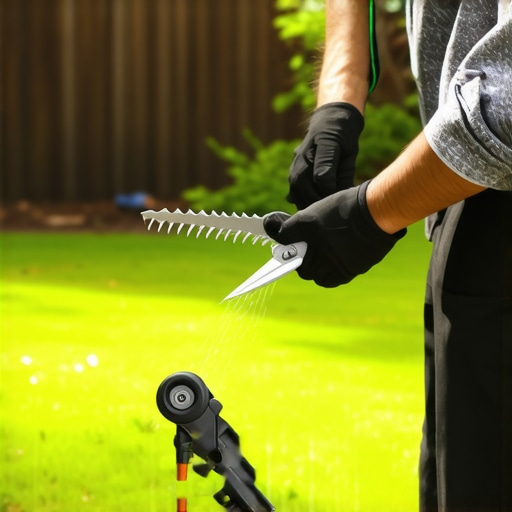
Maintaining a thriving garden over years demands more than just good intentions; it requires reliable tools and a systematic approach. Personally, I rely on a combination of high-quality equipment and smart software to ensure my landscape remains healthy and beautiful. One staple in my toolkit is the Stihl FS 70 Trimmer. Its durability and precision cut through dense grass and stubborn weeds without fuss, making it my go-to for maintaining edges and overgrown patches. Additionally, I swear by my Fiskars Multi-Change system, which allows me to swap attachments—like pruning shears or cultivators—saving space and time. For soil health, I use the Bluelab Soil pH and Moisture Meter. Accurate readings help me calibrate watering and amendments, preventing over- or under-watering. Investing in dependable equipment ensures that my efforts yield repeatable, long-term results rather than short-lived bursts of productivity.
How do I keep my garden tools and techniques effective over time?
To sustain garden health, regular maintenance of your tools is essential. Clean, sharpen, and lubricate your pruners and shovels after each season to prevent rust and extend their lifespan. For larger equipment like lawnmowers, scheduling professional tune-ups annually ensures peak performance and fuel efficiency. I also integrate modern technology—like smart landscape management software. These platforms help track fertilization, watering cycles, and seasonal tasks, making long-term planning less mental load and more data-driven. The future points toward AI-powered garden assistants that can analyze soil health through drone imagery and suggest actionable improvements, further simplifying maintenance.
Tools That Make Scaling Easier
As I expand my landscape, scaling becomes a challenge without the right tools. I recommend investing in modular hardscape templates that are easy to install and modify, such as the latest interlocking paver systems. For irrigation, drip systems with programmable timers automate watering, reducing waste and labor. When designing larger features, I use 3D landscape modeling software, which has become more accessible and affordable in recent years, to visualize the end result and prevent costly mistakes. Combining robust physical tools with smart planning software transforms scaling from an overwhelming task into a manageable project.
Where is outdoor landscaping technology headed?
Advancements in robotics, AI, and sensor technology are on the horizon. Imagine robotic mowers that adapt to your yard’s layout in real-time or soil sensors that communicate directly with watering systems. These innovations promise to make garden maintenance nearly autonomous, freeing up your time for creative endeavors. To stay ahead, I recommend trying out a smart irrigation controller—like the Rachio system—to experience immediate benefits and prepare for future smart garden integrations.
Embrace these tools and techniques to keep your outdoor space thriving year after year. Remember, the investment in quality equipment today paves the way for a sustainable, flourishing garden tomorrow. Try implementing one advanced system—perhaps a soil moisture sensor or smart watering device—and watch your efforts multiply. For more cutting-edge ideas on garden transformation, explore modern landscaping tips.
The Hardest Lesson About My Garden Journey
I used to believe that more fertilizers and watering would instantly revive my struggling lawn, but I learned the hard way that without understanding my soil, I was just pouring resources into a black hole. That epiphany taught me patience and the importance of soil testing as the foundation of true lawn health.
Secrets the Pros Keep Quiet
One thing professionals rarely reveal is how critical ongoing soil monitoring is. Regularly retesting my soil after amendments allowed me to fine-tune my approach, preventing setbacks and ensuring consistent lushness—something I wish I had started earlier in my gardening journey.
Small Changes, Big Impact
Integrating compost and organic amendments transformed my soil structure and nutrient availability. Even minor adjustments like these, when informed by proper testing, made my lawn more resilient against drought and weeds, creating a vibrant space I genuinely enjoy.
What I Wish I Knew About Landscaping My Yard
Thoughtful placement of focal points and natural sightlines has the power to make even modest spaces feel expansive. I overlooked this at first, but now I understand that strategic design elevates your outdoor area from ordinary to extraordinary, emphasizing harmony over clutter.
Curated Resources to Elevate Your Garden
For tools, I swear by the 7 professional outdoor kitchen kits—they streamline outdoor living. The modern landscaping ideas inspire new design concepts, and my trusted soil meters keep my lawn thriving. These resources have truly reshaped my gardening approach, making maintenance more efficient and results more satisfying.
Believe in Your Gardening Power
Every backyard has the potential to become a paradise, especially when rooted in knowledge and purpose. Embrace soil testing, thoughtful design, and reliable tools—your future self will thank you for the effort. Perhaps start with a soil test or consider upgrading your hardscaping—small steps lead to big transformations. What’s one thing you’re excited to try in your outdoor space? Share below and let’s grow together!
![7 Smart Irrigation Fixes to Slash 2026 Water Bills [Proven]](https://lawnmajesty.com/wp-content/uploads/2026/02/7-Smart-Irrigation-Fixes-to-Slash-2026-Water-Bills-Proven.jpeg)
![4 Tactics to Stop 2026 Boxwood Root Rot [Tested]](https://lawnmajesty.com/wp-content/uploads/2026/04/4-Tactics-to-Stop-2026-Boxwood-Root-Rot-Tested.jpeg)