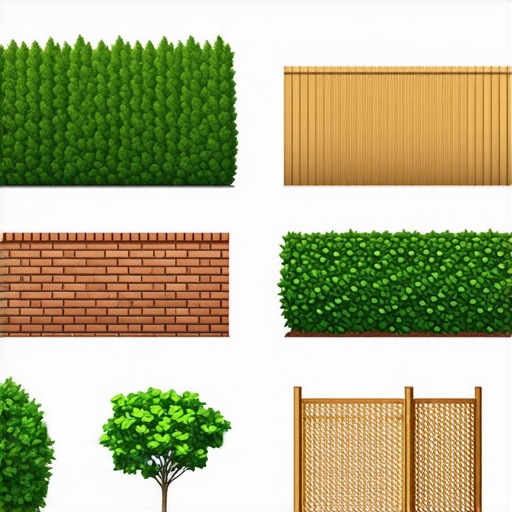
Ever spent an afternoon tilling your tiny yard, only to realize once you’re done that everyone can still see your backyard from every angle? I’ve been there—thinking I was making privacy improvements, but what I really did was just create a bigger eyesore. That lightbulb moment hit hard: the typical fence isn’t always the best solution, especially when space is tight and budget is even tighter.
Transform Your Small Yard Into a Private Oasis Without the Traditional Fence
Today, I want to share some clever, quick, and affordable alternatives that will give your yard privacy without the hefty installation or maintenance. Whether you’re working with a compact outdoor space or just want a cozy nook away from prying eyes, there are solutions that can elevate your garden’s privacy and aesthetic. From natural screens to modern hardscaping ideas, I’ll guide you toward options that fit your style and your yard’s size. Along the way, I’ll also steer you clear of common mistakes, like choosing the wrong materials or overestimating how much privacy your existing structures provide.
Will these alternatives stand the test of time—and your neighbors’ opinions?
Early on, I made the mistake of installing cheap, fast-to-put-up screens that lasted a season before falling apart or becoming eyesores. Trust me, it’s worth investing a little more upfront to get that balance between durability, visual appeal, and privacy. Curious about how to do it right? Keep reading, and I’ll unveil some tried-and-true solutions that have worked for me—and might just work for you.
And if you’re wondering whether a quick fix can still deliver lasting privacy, I’ve got your back. Let’s dive into some innovative ideas that most backyard setups can pull off—no matter how small.
Build Natural Barriers with Hardy Plants
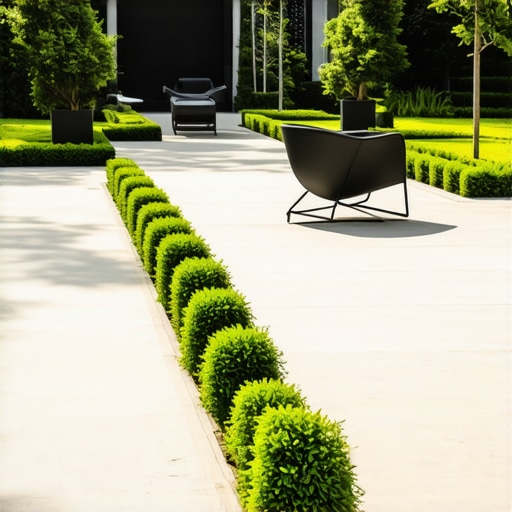
Start by planting dense evergreen shrubs or tall grasses along your property line. Think of these as living fences—like a hedge maze that offers privacy and beauty. I once used boxwoods and ornamental grasses, which grew quickly and softened my yard’s edge. Regular pruning kept them tidy and effective, transforming my small backyard into a secluded retreat without expensive fences.
Select the Right Plants for Privacy
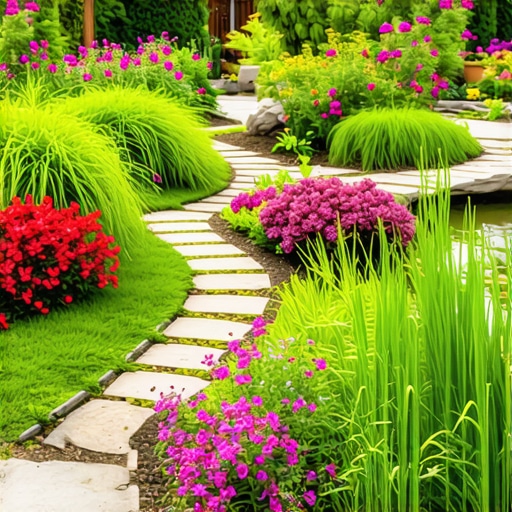
Choose plants suited to your climate and sunlight. For quick screening, consider faster-growing species like Leyland cypress or bamboo, but manage growth to prevent invasiveness. To maintain a natural look, mix textures and heights—think of it as layering a mini forest for your yard.
Lay Down Paving or Gravel for Hard Borders
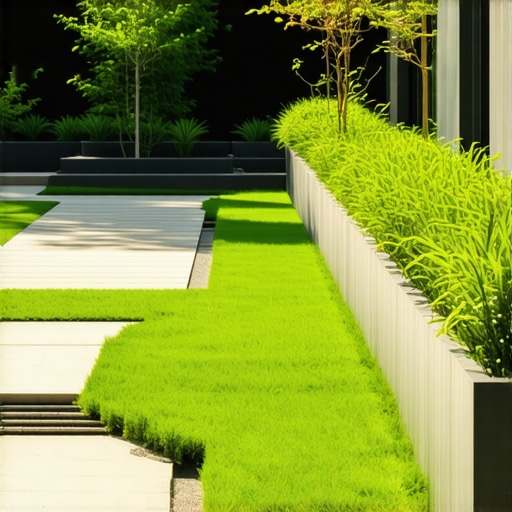
Hardscaping can create physical boundaries that are both functional and stylish. Use materials like permeable pavers or decorative gravel paths along your yard’s perimeter. I installed a gravel border with recycled stone, which not only added a rustic touch but also kept weeds down. Approach this step like laying a puzzle: start with the foundation, then fill in the spaces, ensuring each piece fits precisely for stability and aesthetics.
Invest in Durable Materials
Opt for materials resistant to weathering, such as concrete pavers or composite wood. Carefully measure and level each piece—imagine guiding a train on tracks—to ensure a safe, long-lasting surface. For added privacy, consider installing a row of pavers slightly taller than your planting beds to serve as a visual barrier.
Create Vertical Privacy Structures with Simplicity
Use inexpensive materials like lattice panels or reclaimed wood to construct screens or trellises. Secure them with sturdy anchors or posts—like setting the backbone of a good story. I built a simple wooden lattice supported by sturdy stakes; it provided immediate privacy and a perfect frame for climbing plants.
Climb the Green Wave
Encourage vines such as clematis or passionflower to grow over your structures. They grow rapidly, covering the lattice, and add a lush, natural look. Think of it as training a garden to grow a wall of greenery for you.
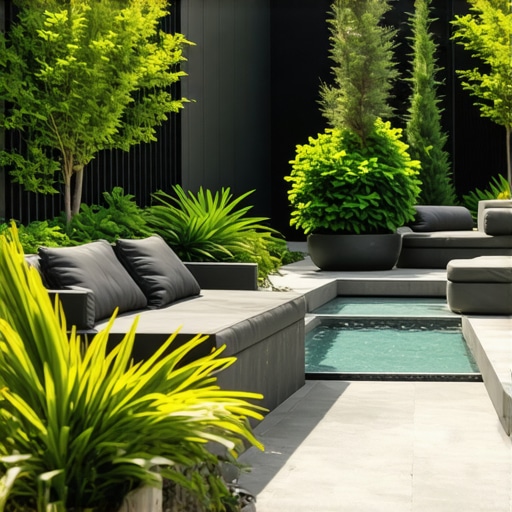
Elevated decks or planters can create secluded corners within your yard. I repurposed an old pallet into a small raised platform, complete with cozy seating. Elevation acts like a privacy curtain—raising your personal space above ground level, much like a private balcony in a bustling city.
Design for Comfort and Privacy
Add outdoor curtains, shades, or tall potted plants to reinforce the barrier. Position seating to face away from neighbors, turning your yard into a private lounge.
Use Lighting and Small Features to Enhance Privacy
Subtle lighting, like hidden LED strips or solar stake lights, can draw attention away from less private areas, creating a cozy ambiance. I installed low-voltage lighting beneath my hedges, which night after night, made my yard feel private and inviting, especially when paired with other hardscaping elements.
Keep It Discreet and Stylish
Opt for warm, soft lighting that doesn’t spill over. This approach emphasizes your yard’s intimate corners without exposing them, similar to highlighting a sculpture in a dim gallery.
Combining natural screens, sturdy borders, vertical structures, elevated features, and strategic lighting creates a layered solution for privacy. Don’t shy away from mixing materials and approaches, as each layer adds depth and protection—turning your small yard into a personal sanctuary with flair.
For more ideas on integrating modern hardscaping elements, check out effective hardscaping strategies or explore the latest trends in modern outdoor transformations.
Many homeowners fall into traps when it comes to lawn care and landscaping, often repeating myths that can lead to costly mistakes or unsatisfactory results. For example, the idea that a lush green lawn always requires frequent watering and chemical fertilizers is pervasive; however, studies show (like those from the University of California Cooperative Extension) that sustainable practices—such as native planting and smart irrigation—actually promote healthier lawns with less resource input. Overlooking soil health is another frequent error. Many think applying fertilizer alone is enough to sustain vibrant growth, but without proper soil testing and amendment, nutrients may not be effectively absorbed, leading to wasted effort and money. Moreover, a common myth is that larger hardscaping elements always mean better aesthetics, yet overly dominating structures can overpower a small yard and hinder perceived space, which is counterproductive, especially in limited areas. Instead, integrating thoughtfully scaled features creates visual harmony and functional zones. A crucial nuance often missed involves water management. Drainage issues are not only about fixing puddles but understanding the subtle interactions between grading, substrate permeability, and plant selection. Ignoring these can result in persistent wet spots or erosion, undermining the entire design. For example, installing permeable pavers without considering underlying soil conditions can negate their benefits, leading to clogging or reduced functionality. Want to elevate your landscape? Explore the latest trends in hardscaping innovations or see how expert tips can streamline your garden design. Students of design often overlook the importance of evolving plant selections; choosing trendy or fast-growing plants without considering regional climate or long-term maintenance can lead to disappointment. Instead, aligning plant choices with native species and ecological principles ensures resilience and beauty over time. Remember, effective landscape design balances aesthetics with practicality, emphasizing layered privacy solutions and durable materials. Don’t be misled by oversimplified approaches—success lies in understanding these hidden nuances. As a final tip, consider the unintended consequences of quick fixes—such as installing plastic edging or overly uniform plantings—that may look modern but can clash with natural growth patterns and future maintenance needs. Have you ever fallen into this trap? Let me know in the comments. For more insights, check out modern hardscaping ideas or discover why soil health is fundamental to long-term landscape success.
Keeping Your Garden and Hardscaping in Top Shape
Maintaining a vibrant garden and durable hardscaping features requires the right tools and consistent upkeep. Selecting quality equipment not only makes your tasks easier but also extends the lifespan of your installations. For example, I rely heavily on a high-quality oscillating tool for trimming and shaping my hedges and shrubs. Its versatility allows me to handle pruning, detailing, and even minor repairs without multiple devices cluttering my shed.
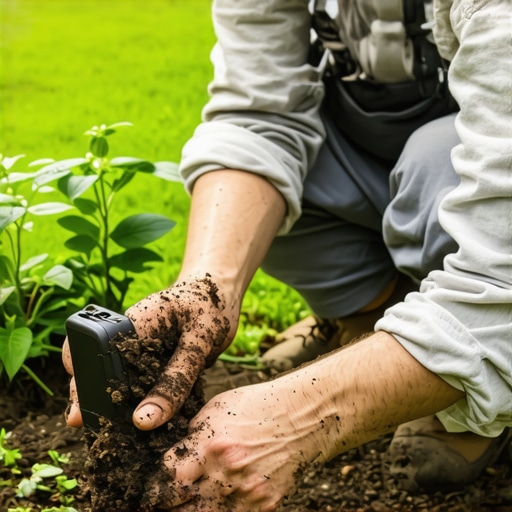
When it comes to soil maintenance, I recommend adopting a soil testing kit personally. Regular testing—performed at least twice a year—reveals nutrient deficiencies or pH imbalances that can hinder plant health. I’ve found that a precise understanding of my soil’s condition helps me tailor amendments effectively, saving money and effort. According to scientific research published in the Journal of Plant Nutrition and Soil Science, soil testing is pivotal for achieving sustainable, long-term landscape results.
How do I maintain yard aesthetics over time?
Investing in tools like a durable dethatcher, a quality lawn aerator, and a reliable sprinkler system ensures that your lawn remains healthy and lush. For hardscaping, I swear by a cordless power washer for easy cleaning of pavers and concrete surfaces. This equipment prevents dirt buildup that can trap moisture and cause erosion or staining. Planning for regular checks—like inspecting drainage grates and sealing patios annually—preserves not only the beauty but also the structural integrity of your outdoor space.
Predicting where outdoor trends are heading, I see a move toward smart, automated systems that monitor moisture, light, and soil conditions. Integrating IoT devices into your landscape might seem futuristic now, but early adoption can save significant time and resources, aligning with the ongoing shift toward sustainable, climate-adapted gardening practices. To explore more about future-proofing your garden, visit hardscaping trends for 2025.
Experiment with one advanced maintenance trick today
Try using a soil moisture sensor to automate your irrigation system. This allows watering only when necessary, reducing water waste and promoting healthier roots. Equipment like this is accessible with a bit of research and can greatly improve your landscape management. Don’t just take my word for it—give this innovative approach a shot and enjoy a greener, more efficient yard. Remember, consistent care and the right tools are the backbone of long-term landscaping success, so invest wisely and maintain regularly for stunning results that last.
What I Wish Someone Told Me About Backyard Privacy
In my quest for a secluded yard, I learned that exceeding budget expectations often leads to overcomplicated designs that backfire. Keeping it simple with natural elements not only saves money but also adds genuine beauty and resilience to your garden.
The most overlooked aspect of privacy is understanding your unique climate and soil conditions. I used a fancy fence, only to realize it degraded quickly because I ignored soil drainage issues. Investing in proper soil testing changed my entire approach, emphasizing durability over quick fixes.
Trusting in traditional hardscaping without innovation can leave your yard feeling static. Embracing modern, permeable materials and layered plantings creates a dynamic, adaptable outdoor space that grows with you.
Finally, I discovered that blending privacy solutions—like vertical planting and elevated features—results in a richer, more inviting environment that encourages outdoor living without sacrificing intimacy. So, be patient, stay curious, and remember that smart, layered choices build the best backyard sanctuaries.
The Tools and Resources That Changed My Yard
- Soil Testing Kits: Essential for understanding your ground, I rely on top-rated kits from trusted brands because they provide actionable insights for long-term success.
- Durable Hardscaping Materials: My choice of permeable pavers and recycled stone has stood the test of time, reducing maintenance and enhancing aesthetic appeal.
- Plant Knowledge Resources: I trust expert blogs and regional guides that help me select native, resilient plants perfect for my climate, ensuring lush privacy that lasts.
- Lighting Solutions: Smart, solar-powered LED stake lights have transformed my yard into a cozy retreat after sunset, minimizing light pollution while maximizing ambiance.
Your Turn to Shape a Secluded Sanctuary
Building the perfect backyard privacy setup isn’t just about the physical structures—it’s about creating an environment that nurtures your well-being and enjoyment. Embrace the nuances of your space, experiment with layered solutions, and let your personal style shine through. Every small step brings you closer to a garden that feels like your own private escape. What privacy idea are you planning to try next? Let me know below and share your backyard dreams!
,
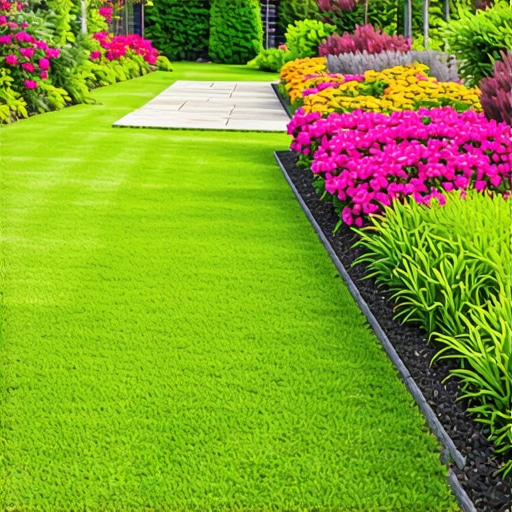
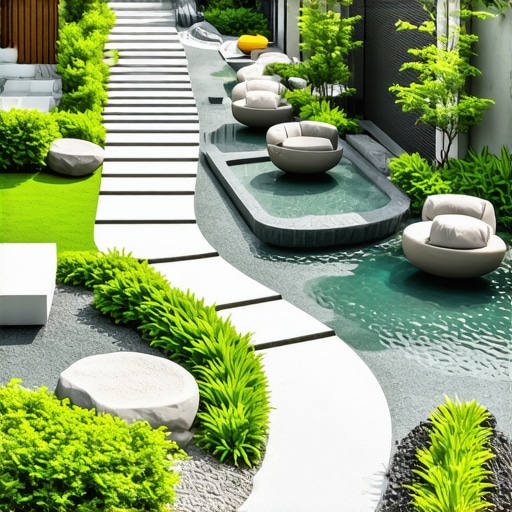
I really appreciate the emphasis on natural barriers like dense shrubs and layered plantings. I’ve found that combining different types of native plants, like tall grasses with evergreen bushes, creates both visual privacy and a calming environment. It’s fascinating how quickly vines like clematis can cover trellises—adding both height and lush greenery in no time, which definitely boosts privacy. However, I wonder how others manage invasive species like bamboo. I’ve heard it’s effective but can quickly take over if not carefully controlled. Also, I’m curious about your experience with hardscaping—do permeable pavers require regular maintenance, or do they hold up well over time? I’m considering integrating some inexpensive lattice panels for a quick fix but worry about durability. Overall, blending various layered solutions seems like a smart way to customize privacy while keeping the yard inviting. Has anyone experimented with smart lighting or automated irrigation systems alongside these techniques for added privacy and comfort? Would love to hear your insights on maintaining a low-maintenance yet private outdoor space.