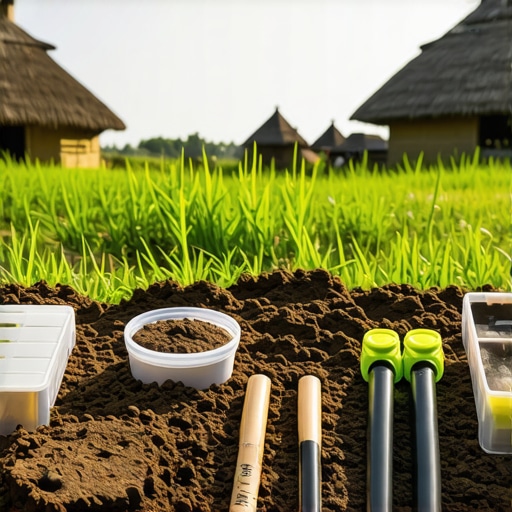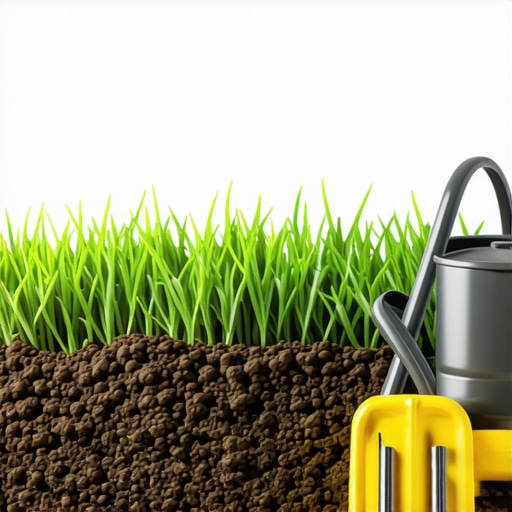
I remember the day I looked out over my lawn and saw that uneven patchwork of grass, each bald spot telling a silent story of my gardening missteps. It was like my yard was trying to communicate: “Not happy here.” I had spent years trying to achieve that lush, uniform carpet of greenery, only to be thwarted by stubborn patches that refused to grow. If you’re nodding along, my friend, you’re not alone.
Why Grass Patchiness Can Feel Like a Garden Nightmare
There’s nothing quite as discouraging as pouring time, effort, and money into your yard, only to see patches of bare soil and struggling grass. These patches can be caused by a variety of issues—soil compaction, poor drainage, nutrient deficiencies, or even pest problems. But here’s the thing: many of these issues boil down to one key factor—soil health.
In my early gardening days, I made a critical mistake: I assumed that fertilizer alone could fix my grass woes. Turns out, I overlooked the importance of soil quality. As studies show, healthy soil is the foundation of a lush lawn, and neglecting it can turn what should be a simple fix into a years-long struggle (source: [Lawn & Landscape Magazine](https://lawnmajesty.com/effective-hardscaping-trends-for-a-contemporary-outdoor-makeover-2025)).
The good news? There are proven soil fixes that can transform your patchy yard into the envy of the neighborhood. Today, I’ll share four of these solutions—so you can banish those unsightly patches and enjoy a vibrant, even lawn in 2026.
But first, have you ever felt that frustration of watching your grass fail to thrive despite your best efforts? If so, you’re not alone—and help is on the horizon. Let’s dig into what really causes grass patchiness and how you can fix it at the source.
Start by Testing Your Soil for Better Results
Before laying new grass or fixing patches, evaluate your soil health. Use a soil test kit or send a sample to a local extension service. Look for pH balance, nutrient levels, and compaction issues. I once skipped this step and applied fertilizer blindly, which only fed weeds instead of grass. After testing, I amended the soil with organic matter and lime, leading to noticeable improvements in patch recovery. Regular testing keeps your lawn nutrient-rich and ready for growth.
Level and Aerate to Relieve Soil Compaction
Compacted soil prevents roots from getting oxygen and nutrients. Use a garden fork or aerator to poke holes in the soil, about 2-3 inches deep, across the patch. Picture your soil as a sponge—if squeezed too tight, it doesn’t absorb water or nutrients well. I remember clumping down on the lawn with a shovel, then aerating stubborn spots, which allowed water and roots to breathe again. This simple step jumpstarts root expansion and grass recovery.
Overhaul Patch Areas with Topsoil and Seed
Remove dead grass and loosen the soil in the patches. Fill with a layer of high-quality topsoil—imagine it as giving your lawn a fresh bed to grow into. Reseed with a blend suitable for your climate, pressing the seed into the soil for good contact. I used a rake to embed grass seed and covered with a light mulch, like straw, to retain moisture. Consistent watering keeps the soil moist and encourages germination, transforming barren patches into lush turf.
Implement Soil-Boosting Techniques for Long-Term Growth
Enhance soil structure by adding compost or organic amendments. Consider that healthy soil is like a balanced diet—rich in organic matter and microbes. Incorporate organic compost into the topsoil layers, mimicking the natural rebuilding process. I once worked in a small garden where letting grass grow into a mini compost heap from clippings improved soil fertility over time. These practices ensure your lawn remains resilient and uniform year after year.
Many homeowners believe that following popular landscaping trends guarantees a stunning outdoor space, but that’s a misconception. In reality, what most people overlook are the nuances that can dramatically influence the success of their garden projects. For instance, there’s a prevalent myth that large, expensive hardscaping features elevate a yard’s appeal, but without proper integration and understanding of the landscape’s natural flow, these features can seem out of place and even detract from the overall harmony. Instead, focusing on seamless designs that complement your existing environment often yields better results.
Why Do Some Hardscaping Investments Fail to Last?
One common mistake is choosing materials based solely on initial aesthetics rather than durability and suitability for your climate. For example, some homeowners opt for trendy pavers without considering their drainage properties, leading to cracking and sinking over time. A study by the American Society of Landscape Architects emphasizes selecting appropriate materials to ensure longevity and minimize maintenance costs. To avoid expensive repairs, it’s wise to prioritize materials like permeable pavers or natural stone that adapt well to your specific conditions. Moreover, a frequent oversight is neglecting soil health when designing gardens. Many think soil amendments are optional, but healthy soil is fundamental for plant vitality and water retention. Incorporating compost and testing soil pH can prevent issues like plant stress or uneven growth, which many beginners fail to anticipate. As the article on modern garden design tips suggests, understanding and nurturing your soil elevates overall garden resilience. Additionally, there’s a trap in overusing mulch or synthetic turf, thinking they require less maintenance. While mulch conserves moisture, excessive use can cause fungal diseases, and synthetic turf often hides underlying soil problems. Balancing these elements based on your landscape’s needs ensures better health and sustainability. When planning, consider how natural elements like native plants can reduce water consumption and maintenance burdens. Incorporating drought-tolerant species not only supports environmental conservation but also aligns with modern hardscaping trends for sustainable outdoor spaces. In fact, exploring cost-effective stone alternatives can inspire eco-friendly and stylish foundations. Here’s a crucial insight—many enthusiasts underestimate the importance of microclimates within their yard. Areas shaded by structures or trees can require different plant choices or watering schedules, a nuance often missed by beginners and amateurs alike. Recognizing and adapting to these microenvironments enhances plant success and overall landscape harmony.
Have you ever fallen into this trap? Let me know in the comments. Remember, successful garden design blends aesthetic appeal with an understanding of these subtle complexities. By paying attention to the overlooked details, you’ll craft an outdoor space that’s both beautiful and resilient, standing the test of time.Maintaining an exceptional outdoor space requires more than just good intentions; it demands the right combination of tools, techniques, and a proactive approach. Personally, I rely on a set of precise equipment and software that keep my garden and hardscape in top shape, ensuring long-term beauty and functionality. One indispensable item is a quality cordless rotary tiller, which I use to aerate compacted soil before planting or repairing patches. It saves me hours compared to manual tools and delivers even soil preparation, critical for healthy plant roots. For pruning, my go-to is a pair of bypass pruners with sharp, titanium-coated blades—these give clean cuts, reduce plant stress, and last for years without dulling. When it comes to lawn care, I swear by a robotic mower, such as the Husqvarna Automower, which autonomously maintains my lawn’s uniformity while I focus on other projects. Its programmable schedule and smart sensors help me keep the grass healthy without manual effort, aligning with the future trend of automated garden maintenance. For monitoring soil health, I employ digital soil testers that instantly provide pH and nutrient readings, enabling me to adjust amendments precisely and avoid guessing—an approach supported by horticultural research emphasizing data-driven decisions. As for software, I use Garden Plan Pro to design layouts or optimize plant placement, ensuring proper spacing and companion planting. This not only streamlines my planting schedule but also enhances plant interactions, leading to healthier growth. To manage watering efficiently, I recommend smart irrigation controllers that sync with weather forecasts, reducing water waste and promoting consistent moisture levels. These tools collectively help me achieve consistent results, save time, and extend the lifespan of my hardscaping features, such as pavers and retaining walls. Looking ahead, I believe the integration of IoT devices with AI-driven analytics will further revolutionize garden and hardscape maintenance, making personalized, predictive care the norm.
How do I maintain my garden and hardscape over time?
keeping your landscape resilient involves regular inspections, timely repairs, and using advanced tools to identify potential issues early. For example, frequently inspecting paved areas for cracks enables prompt patching, preventing costly replacements later. Incorporate annual soil testing and organic amendments to sustain soil vitality, especially in compacted or drenched zones. Additionally, updating your irrigation system with smart controllers ensures consistent moisture, vital for plant health and hardscape integrity. Remember, investing in quality equipment now reduces long-term maintenance costs and helps you enjoy your outdoor sanctuary for years to come. If you’re ready to elevate your garden’s long-term health, try integrating a soil sensor system that tracks conditions in real-time; this technology can significantly improve your decision-making process and plant outcomes. For more insights on hardscaping maintenance, check out effective strategies for outdoor maintenance. Consistency is key, so set a maintenance schedule and stick to it, leveraging these advanced tools to keep your landscape thriving.
The Hardest Lesson I Learned About Lawn Repair and Landscaping
Patience is essential—waiting for grass to recover after aeration or seeding can be discouraging, but rushing often worsens the patchiness. I once over-fertilized in a misguided attempt to quicken growth, only to see my lawn turn yellow and uneven. The key is understanding your yard’s unique needs and allowing nature to work its magic in tandem with targeted interventions.
3 Myths About Garden Restoration That Held Me Back
First, I believed that quick fixes like patching with topsoil could solve years of neglect instantly. Turns out, building healthy soil over time is the real game-changer. Second, I thought expensive fertilizers guaranteed lush grass—yet, soil health matters more than chemical inputs. Finally, I assumed that hardscaping compresses my natural landscape; I learned that thoughtful integration can elevate a yard’s appeal without disrupting its essence.
What Experts Won’t Tell You About Sustainable Landscaping
Many overlook the importance of native plantings, which reduce water use and resist pests naturally. I discovered that microclimates—areas that differ in sun exposure or moisture—require tailored strategies. Embracing these nuances transformed my approach from standard to personalized, yielding a resilient and beautiful outdoor space.
Curated Recommendations for Garden Success
Soil Test Kits: I trust the [Luster Leaf Rapitest Kit](https://lawnmajesty.com/6-soil-tests-every-homeowner-needs-for-a-greener-2026-lawn) because it provides accurate, immediate results, helping me amend my soil precisely. Organic Compost: Quality compost from local suppliers fuels my lawn’s recovery and sustains long-term fertility. Digital Soil Monitors: Devices like the [BlueLab Soil pH & Fertility Tester](https://lawnmajesty.com/6-soil-tests-every-homeowner-needs-for-a-greener-2026-lawn) give real-time data, ensuring I adapt my care strategies promptly. Landscape Design Software: Tools like [Garden Planner](https://lawnmajesty.com/ultimate-garden-design-inspiration-to-transform-your-outdoors-in-2025) help visualize layouts, improve plant placement, and anticipate microclimate effects, making gardening less guesswork and more artful planning.
Seize the Moment and Cultivate the Garden You Dream Of
Every yard has potential, and understanding these deeper truths about hardscaping and lawn care unlocks it. With patience, personalized strategies, and the right tools, you can create an outdoor space that’s not only stunning but resilient through seasons. The time to act is now—your perfect lawn is waiting just beneath the surface. Have you ever struggled with a specific lawn repair technique? Share your story below, and let’s grow together.
![4 Culpeper VA Grass Seeding Fixes for Clay Soil [2026 Update]](https://lawnmajesty.com/wp-content/uploads/2026/03/4-Culpeper-VA-Grass-Seeding-Fixes-for-Clay-Soil-2026-Update.jpeg)
![Mowing Culpeper VA: 3 'Fat Packing' Hacks for 2026 Lawns [Tested]](https://lawnmajesty.com/wp-content/uploads/2026/03/Mowing-Culpeper-VA-3-Fat-Packing-Hacks-for-2026-Lawns-Tested.jpeg)