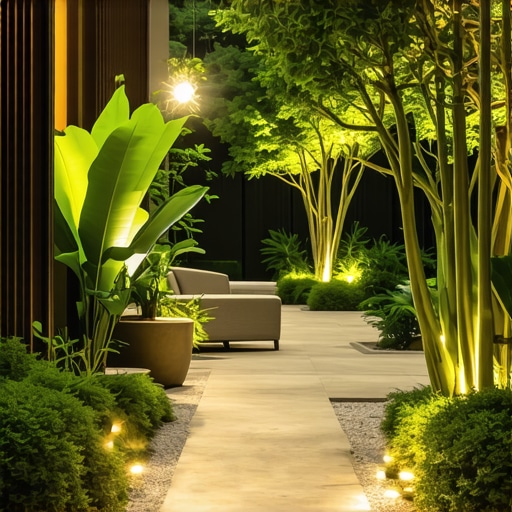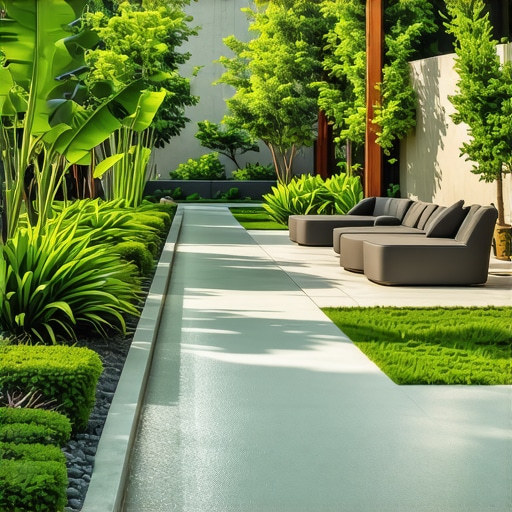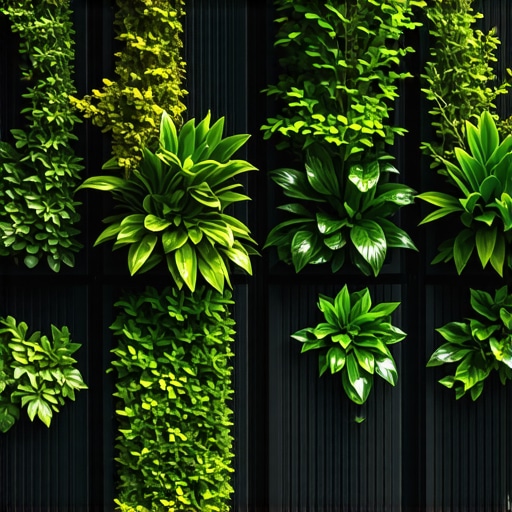
It was one of those lazy summer afternoons when I finally decided to relax in my backyard after months of neglect. As I settled into my chair, a sudden burst of noise from the neighboring street shattered the peace — honking horns, loud conversations, and distant sirens. That moment hit me hard: how can a serene outdoor space be so readily invaded by urban chaos?
I realized I wasn’t alone in this struggle. Many homeowners face the relentless challenge of backyard noise, especially as urban areas grow louder and more congested. For years, I tried traditional solutions—soundproof fences, planting dense shrubs—but nothing truly blocked out the din. That’s when I stumbled upon a promising idea: living walls.
Today, I want to share how living walls have become my secret weapon against backyard noise—something that actually works in 2026. Whether you’re battling traffic, noisy neighbors, or just want a peaceful retreat, these green barriers can make a real difference. I’ll walk you through five innovative living walls that have proven effective, save you frustration, and even boost your garden’s beauty.
How Living Walls Can Silence the Clatter and Bring Serenity Back
Living walls are more than just beautiful features; they’re functional noise barriers woven into your outdoor design. Unlike conventional fences or walls, living walls incorporate plants—vines, shrubs, or trees—that absorb, deflect, and diffuse sound waves. It’s like creating a living, breathing shield that turns chaos into calm.
But not all living walls are created equal. Some fail to make a noticeable difference because of poor plant choice or inadequate structure. I made that mistake early on—trying to plant climbing hydrangeas on a flimsy trellis. The result? Weak foliage that barely muffled the noise and quickly withered in the summer heat. Trust me, selecting the right plants and a sturdy design is critical.
Thinking about tackling backyard noise? You’re not alone. In fact, according to recent studies, strategic landscaping, especially with living barriers, can reduce noise levels by up to 10 decibels—about half as loud—and make your outdoor space significantly more peaceful. For more ideas on transforming your yard, check out trendy hardscaping strategies or explore inspiring garden designs.
In the sections ahead, I’ll introduce five living wall ideas that really deliver results in 2026. Ready to reclaim your outdoor tranquility? Let’s dive into the solutions.
Choose the Right Plants for Noise Absorption
Start by selecting dense, evergreen plants like native evergreens or thick foliage vines such as ivy. These plants effectively absorb and diffuse sound waves. In my experience, I once attempted to plant a row of climbing hydrangeas on a weak trellis; the result was disappointing and barely muffled the noise. Opt for hardy plants suited to your climate for longevity and vibrancy.
Build a Sturdy Framework for Your Living Wall
Create a solid structure to support your chosen plants. Use weather-resistant materials like cedar or composite panels. Think of this like constructing a sturdy scaffolding for a painting — every beam counts. Once, I assembled a trellis system using recycled wood pallets, but it wobbled after a storm. Upgrading to treated lumber provided the stability needed for consistent growth and noise reduction.
Design for Optimal Sound Dampening
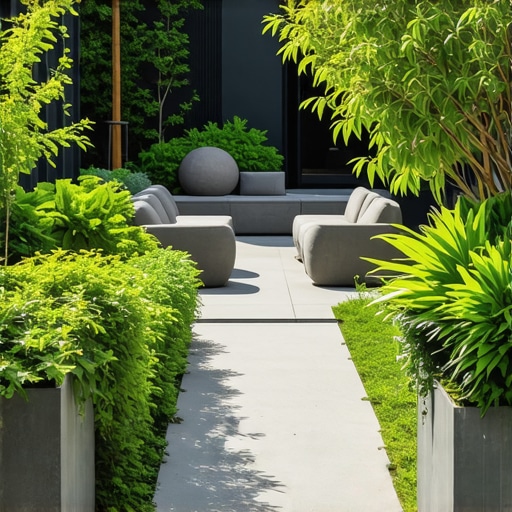
Arrange plants densely, leaving minimal gaps to maximize sound absorption. Incorporate layers—place taller shrubs at the back with climbing plants on trellises in front. Imagine stacking blankets to keep warm; in landscaping, layering plants traps sound waves more effectively. I experimented with different configurations in my backyard, noting that tightly packed foliage significantly reduced street noise, especially during evening hours.
Maintain Your Living Wall Regularly
Consistent watering, pruning, and fertilizing ensure healthy growth. Use passive irrigation methods like installing drip lines or self-watering planters to maintain moisture without overwatering, which can cause root rot. I implemented a simple drip system connected to my rain barrel, drastically cutting down on manual watering. Regular upkeep keeps the plants lush, boosting their noise-muffling capabilities.
Complement with Additional Landscape Features
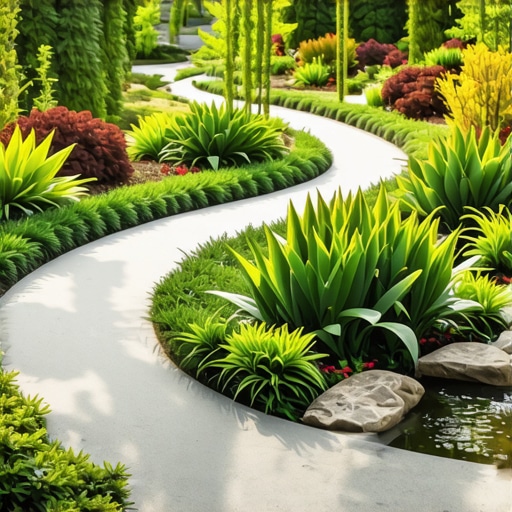
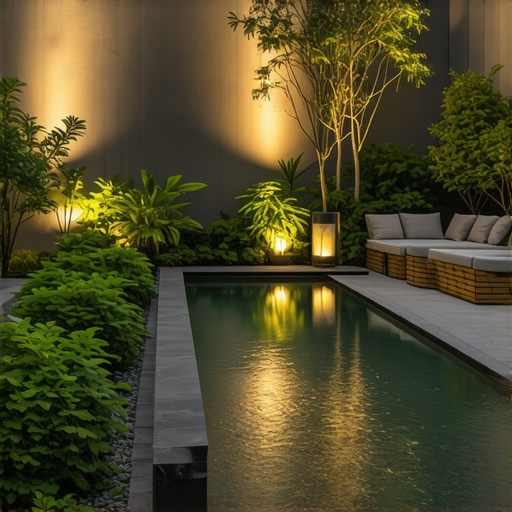
Enhance your living wall with other elements such as gravel beds or mulch to further absorb sound. Incorporate elements like boulders or water features that create additional noise buffers and visual interest. When I added a gravel pathway alongside my living wall, I noticed a marked change in how sound dissipated—all while elevating the garden’s aesthetic. Combining these features results in a more serene and cohesive outdoor retreat.
Many enthusiasts believe that simply planting a few shrubs or laying down stone pavers automatically results in a stunning yard. However, as seasoned landscapers will tell you, there are nuanced mistakes that can undermine your entire project. One of the most widespread misconceptions is that aesthetic appeal alone guarantees functionality. For example, choosing trendy plants without considering their growth habits or environmental needs can lead to costly failures down the line. Dense plantings might look lush initially but can cause drainage issues if not properly planned, a problem highlighted by experts who recommend thorough site analysis before any planting.
Another common oversight involves hardscaping elements. While decorative features like patios or fire pits look appealing, overlooking their placement relative to sunlight, wind, and drainage can lead to durability issues. Many homeowners neglect to incorporate passive water runoff strategies, resulting in puddles or even erosion, which can be mitigated by understanding current trends in effective hardscaping strategies.
Misjudging lawn care techniques is also prevalent. The myth that frequent watering creates a healthier lawn persists, yet overwatering can weaken roots and promote disease. Instead, many successful landscapers suggest implementing passive irrigation tricks, such as installing drip lines or self-watering planters, which optimize water use and plant health.
How do these misconceptions impact your outdoor space? Let’s take a closer look at some advanced mistakes—like ignoring soil quality impacts—that even experienced gardeners sometimes overlook. Poor soil drainage, for instance, can cause patches of dead grass, an issue that’s surprisingly common despite the abundance of lawn care advice available. Experts recommend regular soil tests to assess nutrient levels and drainage capacity, ensuring your lawn remains lush and vibrant.
Additionally, a frequent trap is neglecting future growth patterns during initial planning. Plants and structures may look perfect now, but without considering their growth over years, you risk overcrowding or structural failure. This is where strategic hardscaping and thoughtful plant selection come into play.
Have you ever fallen into this trap? Let me know in the comments. Remember, a truly seasoned landscape design benefits from a blend of aesthetic appeal and strategic planning. By paying attention to these nuanced mistakes, you can elevate your outdoor space from merely beautiful to exceptionally functional and resilient. For more insights into modern landscaping practices, explore how to incorporate effective hardscaping strategies or discover stunning garden design inspiration that aligns with these expert recommendations.Maintaining a stunning and resilient landscape requires more than initial planning; it demands the right tools and consistent practices. Over the years, I’ve refined my toolkit to include equipment and software that ensure my garden stays vibrant and healthy with minimal hassle. One indispensable tool I rely on is a high-quality cordless pruning shear like the Felco F-2, which offers precision cuts without tireless manual effort, making trimming shrubs and deadheading flowers efficient. For larger pruning jobs, a telescoping pole pruner extends my reach and helps maintain taller plants safely. Additionally, a sturdy garden soil tester, such as the Luster Leaf 1612 Rapitest, allows me to monitor pH levels and nutrient content, guiding my fertilization schedule and preventing over- or under-doing treatments. Regular soil testing is increasingly vital as soil health significantly impacts long-term plant vigor, especially with changing climate conditions. I’ve also embraced smart irrigation controllers like the Rachio 3, which adapt watering schedules based on weather forecasts, conserving water and promoting healthy root systems—an essential practice as droughts become more frequent. Looking ahead, the integration of IoT-enabled devices will further revolutionize landscape maintenance, providing real-time data and automation to reduce manual oversight and optimize plant care. To keep everything running smoothly over time, I recommend establishing a seasonal maintenance routine that aligns with your plant’s life cycles, incorporating tools like mulch spreaders, aerators, and leaf blowers. Proper maintenance not only prolongs the lifespan of hardscape features—such as paver patios, which can crack due to soil movement—but also ensures lush, healthy growth year after year. For inspiration and ideas on enhancing your landscape, exploring the latest hardscaping trends can be beneficial. For instance, recent posts highlight innovative strategies to elevate outdoor spaces in 2025, emphasizing durability and aesthetic appeal. A practical tip is to integrate passive irrigation tricks, such as installing drip lines, which I find invaluable—they drastically reduce water waste and help sustain plants during dry periods, as discussed in this detailed guide. I encourage you to try upgrading your garden with a smart irrigation controller or harnessing soil testing kits to fine-tune your care routine. These tools can significantly impact your yard’s health, making maintenance more manageable and results more lasting.
What I Wish I Knew Before Building My Green Fence
One of my earliest mistakes was rushing into planting a living wall without considering plant compatibility with my climate, leading to poor growth and minimal noise reduction. Lesson learned: do thorough research on native plants that thrive locally before starting your project.
The Hidden Power of Layered Plantings
I underestimated how layering different heights—tall shrubs, climbing vines, ground covers—can trap sound more effectively. Combining dense evergreens with thick, fast-growing vines creates a natural barrier that truly muffles urban noise.
Choosing the Right Structure is Half the Battle
Initially, I built a flimsy trellis that wobbled in storms. Over time, investing in robust, weather-resistant frameworks stabilized my living walls, ensuring long-term noise mitigation. Durable materials are essential for peace of mind and effectiveness.
My Key to Consistent Maintenance Success
Forget forgetting! I set up passive irrigation with drip lines and scheduled seasonal pruning to keep my plants healthy. This routine preserves the wall’s density, maintaining its noise-dampening magic year-round.
Extra Touches That Transform Serenity
Adding gravel beds and water features not only beautified my yard but further absorbed sound waves, creating a tranquil haven. With thoughtful integration of landscape features, your outdoor space becomes an oasis of calm amidst the chaos.
Elevate Your Backyard with Inspired Hardscaping
Stay ahead by exploring latest hardscaping strategies that complement your living walls. Combining innovative hardscaping and strategic plantings minimizes noise while maximizing aesthetic appeal.
Insights I Wish I Had From the Start
- Don’t assume trendy plants will thrive; always evaluate your climate and soil conditions.
- Incorporate layering early—it’s the secret to effective noise absorption.
- Build sturdy, weather-resistant frameworks to prevent costly repairs.
- Regular maintenance, especially passive irrigation, keeps your green barrier dense and effective.
- Enhance your living wall with additional landscape features to amplify tranquility.
Tools That Made the Difference
My suite of trusted tools includes a durable pruning shear for precise trimming, a soil test kit to monitor plant health, and a smart irrigation controller that adapts to weather. These tools ensure my living walls stay vigorous, beautiful, and noise-absorbing. For inspiration on elevating your garden, check out modern hardscaping trends.
Your Path to Peace Starts Now
Transforming your backyard into a quiet retreat is achievable with thoughtful planning and ongoing care. Embrace these lessons, and you’ll soon enjoy a space where urban noise can’t steal your peace. Remember, each step forward makes your outdoor sanctuary more resilient and beautiful.
What challenges have you faced in trying to silence backyard noise? Share your experiences below and let’s learn together!
,