![5 Organic Soil Fixes for a Thicker 2026 Lawn [Tested]](https://lawnmajesty.com/wp-content/uploads/2026/02/5-Organic-Soil-Fixes-for-a-Thicker-2026-Lawn-Tested.jpeg)
Ever stepped outside and felt that unsettling sensation underfoot—the spongy, uneven patches that just won’t go away? I remember my own backyard frustration, battling patchy grass that stubbornly refused to fill in, no matter how much fertilizer I tossed around. It was a lightbulb moment that made me realize I was overlooking a vital piece of the puzzle: soil health. Fixing your soil organically isn’t just about making your lawn look good; it’s about creating a thriving foundation that ensures a thicker, lush lawn come 2026. If you’ve ever felt that sting of disappointment when your lawn doesn’t meet expectations, you’re not alone. I’ve been there, and I want to share what I’ve learned.
Why Your Garden Soil Could Be Sabotaging Your Lawn Goals
Understanding the state of your soil can be transformative. Many overlooked homeowners and even seasoned gardeners make a common mistake early on—assuming that regular watering and fertilizing are enough. But without nourishing your soil naturally, your efforts can fall flat. Over time, compacted or depleted soil can lead to uneven growth, patchiness, and even increased vulnerability to pests and diseases. According to a recent study by the University of California, organic soil amendments can boost grass density by up to 30%, making them a game-changer for those aiming for a robust lawn in the coming years. Failing to address soil health can mean wasting time and money on treatments that never truly improve your yard—don’t let that be your story.
Is Organic Soil Fixing Really Worth the Effort?
When I first started diving into organic soil remedies, I admit I was skeptical. It took me making a mistake—overloading my lawn with synthetic fertilizers—and realizing it only made things worse. These quick fixes provided temporary relief but ignored the root cause. The biggest lesson? Sustainable results come from nurturing the soil itself, not just masking the symptoms. If you’re worried that organic methods are too slow or ineffective, I encourage you to consider that many homeowners have seen dramatic transformations by committing to these natural fixes. Curious to see which strategies made the biggest difference? Stay tuned as I walk you through five tested solutions that turned my lawn—and can do the same for yours.
Start With a Soil Test to Reveal Hidden Issues
Before making any changes, I remember fumbling with a DIY soil test kit. I dug small holes in different yard spots, mixed soil with distilled water, and observed color changes to assess pH and nutrient levels. This quick, inexpensive step uncovered that my soil was overly acidic and lacking nitrogen. Knowing this allowed me to tailor my amendments effectively, avoiding waste and ensuring better results. Performing soil tests establishes a solid foundation for organic improvements.
Apply Organic Amendments Systematically
Choose the Right Amendments
Based on my soil test, I selected compost, aged manure, and organic peat. Compost boosts microbial activity, helping break down organic matter into plant-available nutrients. Manure supplies nitrogen naturally, while peat helps adjust pH. Think of this as giving your soil a nutritious smoothie — each ingredient plays a role in restoring vitality. I mixed these amendments into the top 6 inches of soil using a garden fork, aiming for even distribution. Over-application can be counterproductive, so stick to recommended amounts.
Incorporate Cover Crops
After initial amendments, I planted a cover crop of clover, which acts like a natural fertilizer and soil aerator. It fixes atmospheric nitrogen and improves soil structure, much like a biological sponge. I seeded it densely, raking lightly over the soil surface. As it grew, I trimmed and incorporated it into the soil, enriching nitrogen content naturally. This step was a game-changer, turning my patchy lawn into a lush expanse over a season.
Practice Gentle Soil Aeration and Composting
To prevent compaction and encourage healthy root growth, I used a hand-held aerator to poke small holes across the lawn. This process lets air, water, and organic amendments penetrate deeper, much like opening up tiny tunnels for beneficial microbes to thrive. I followed this up by applying a top dressing of compost, gently raking it into the aeration holes, ensuring direct contact with the soil. This layered approach kick-started microbial activity, leading to increased soil fertility and a healthier lawn.
Maintain Organic Soil Improvements Routinely
Every few months, I continued adding compost and planting cover crops, creating a self-sustaining cycle. Mulching around existing grass and plants with organic materials like shredded leaves or straw also retained moisture and added organic matter as they decomposed. Think of this as health smoothies for your soil — consistent, nourishing, and natural.
By integrating these steps into your gardening routine, you’ll cultivate an organic soil environment that nourishes your lawn from the roots up, setting the stage for that lush, resilient yard you desire in 2026.
Many homeowners approach garden design with a set of ingrained beliefs they think are universally true. However, these assumptions can lead to costly mistakes or suboptimal results. One widespread myth is that formal, symmetrical layouts are always superior to more natural, organic designs. In reality, embracing asymmetry and native plantings often results in a more sustainable and visually appealing garden, as highlighted by landscape experts who emphasize blending natural aesthetics with functional hardscaping solutions.
Another misconception concerns lawn care routines; many believe that frequent watering guarantees a lush lawn. But overwatering can cause soil compaction and promote disease, which is why understanding your soil’s needs and implementing smart irrigation strategies—like those suggested in this guide—is far more effective. Additionally, many think that adding more fertilizers always accelerates growth. The truth is, excessive fertilization can harm soil biology, leading to weaker grass and increased pest vulnerability. Focusing on organic amendments and soil health yields better long-term results.
Why do so many overlook the importance of drainage in landscape design?
Addressing poor drainage early can prevent countless headaches down the line—from soggy patches to foundation issues. Yet, many homeowners neglect this aspect, assuming it’s only an aesthetic concern. Proper drainage not only protects your investment but also ensures that plants and turf thrive; a failure to plan for this can cause erosion and water pooling, which damage both beauty and structural integrity. Modern solutions like permeable pavers and French drains are often overlooked, but studies show they significantly enhance yard resilience (see the experts for details).
Furthermore, the myth that DIY projects are always cheaper can lead to poor installation and costly repairs. While DIY can be rewarding, complex features—such as retaining walls or drainage systems—are best handled by professionals to avoid setbacks. If you’re considering enhancements like expert garden design or advanced hardscaping, investing in professional advice can save you money and time in the long run.
Lastly, many underestimate the importance of ongoing maintenance and periodic assessments. A lush landscape isn’t a set-it-and-forget-it project. Regular soil testing, pruning, and adjustments ensure your garden remains vibrant and healthy. Cultivating this habit prevents small issues from escalating and keeps your outdoor space truly stunning in 2026 and beyond. Have you ever fallen into this trap? Let me know in the comments, and remember—the more you learn about these nuanced aspects, the better your garden will thrive.
Keep Your Garden Growing Strong: The Tools That Make Maintenance Easier
Maintaining a vibrant garden over time requires more than just passion; it demands the right equipment and strategies. Personally, I rely on a handful of specialized tools that have transformed my routine from labor-intensive to efficient and enjoyable. Investing in quality tools not only saves time but also ensures your garden’s health and longevity, paving the way for stunning results in 2026 and beyond.
Precision Soil Testing Kits Save You Time and Guesswork
One of my first investments was a high-quality digital soil test kit. Unlike generic DIY tests, this device provides rapid, accurate readings of pH, moisture, and nutrient levels. Knowing the exact deficiencies or excesses in your soil enables precise amendments, preventing over-application and environmental waste. Modern testing technology, such as the digital soil test kits, is becoming more affordable and reliable, making routine monitoring accessible for enthusiasts committed to organic growth.
Robotic Mowers Streamline Lawn Care and Reduce Soil Disruption
Automation has revolutionized lawn maintenance. I use a robotic mower that intelligently navigates my yard, ensuring even cutting without compacting the soil — a common issue with traditional mowers.
These devices integrate with smart irrigation systems, allowing you to synchronize watering and mowing, which optimizes plant health and conserves water. To avoid common pitfalls like tangled wires or uneven cutting, it’s essential to choose models tailored to your yard’s size and obstacles, such as the top-rated robotic mowers.
Heavy-Duty Aeration Tools Promote Root Growth and Soil Structure
Soil aeration is vital to prevent compaction, especially in high-traffic or clay-heavy areas. I prefer a powered core aerator, which punches multiple holes uniformly across my lawn—saving hours compared to manual tools. This process enhances oxygen flow, promotes microbial activity, and prepares the soil for organic amendments. It’s a small investment that yields huge dividends in the form of resilient, lush turf and overall soil vitality.
Future of Garden Maintenance: Embracing Smart Technology
As technology advances, I predict garden management tools will become even more integrated. Expect smarter sensors, AI-driven soil analysis, and climate-adaptive irrigation systems that adjust in real-time to your yard’s needs. Implementing these innovations early will set your garden up for sustained success, making maintenance not just easier but more aligned with the natural rhythms of your landscape. You can get ahead by exploring options like the smart irrigation controllers.
How do I maintain garden tools over time?
Regular maintenance is the key to longevity. I clean my tools after each use, oil blades to prevent rust, and sharpen cutting edges periodically. For power tools, following manufacturer guidelines for lubrication and part replacement ensures consistent performance. Investing in quality storage, such as weatherproof sheds, also protects your tools from the elements, reducing the need for replacements and keeping your maintenance routine smooth and effective. Remember, a well-maintained toolkit is your best ally in achieving a thriving, sustainable garden that impresses through 2026 and beyond.
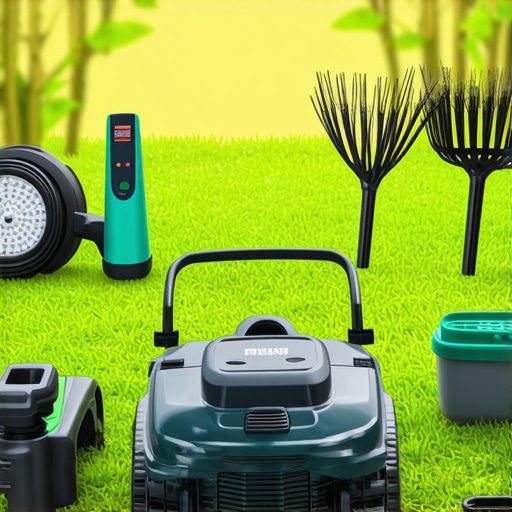
Lessons I Wish I Had Known About Garden Transformation
- Real progress came when I embraced patience, understanding that organic soil work is a marathon, not a sprint.
- Over time, I learned that observation is king—spotting subtle changes allowed me to adjust and nurture my garden more effectively.
- My biggest revelation was trusting natural solutions over quick fixes, which made my garden resilient against the unpredictable weather of 2026.
- Investing in quality tools and expert advice saved me from costly mistakes, proving that good materials and knowledge are worth every penny.
- Finally, I realized consistent effort and learning from each season turn a patchy yard into a personal oasis, thriving well into 2026.
Tools and Resources I’ve Sworn By for Garden Success
- High-precision digital soil test kits—these have transformed how I assess and amend my soil, saving guesswork and boosting results.
- Smart irrigation controllers—they optimize watering schedules, conserve water, and promote healthy plant growth without overdoing it.
- Heavy-duty core aerators—my secret weapon against soil compaction, creating space for roots and organic amendments to thrive.
- Expert-guided books and courses, like those available through trusted platforms, have expanded my understanding of sustainable landscaping and hardscaping trends.
Your Next Step Toward a Thriving Garden in 2026
Staying proactive and embracing organic soil health is the surest way to cultivate the lush, resilient yard you envision for 2026. Remember, every great garden starts with a curiosity to learn and a commitment to nurture. Don’t wait for perfect conditions—begin today, and watch your outdoor space transform into a personal sanctuary that flourishes for years to come.
Have you ever faced unexpected soil challenges that changed your approach? Share your story below and join the conversation on creating gardens that truly thrive.
,
![3 Signs Your 2026 Culpeper VA Lawn Needs Thatching [Test]](https://lawnmajesty.com/wp-content/uploads/2026/04/3-Signs-Your-2026-Culpeper-VA-Lawn-Needs-Thatching-Test.jpeg)
![4 Culpeper VA Thatching Fixes for a Firmer 2026 Lawn [Tested]](https://lawnmajesty.com/wp-content/uploads/2026/03/4-Culpeper-VA-Thatching-Fixes-for-a-Firmer-2026-Lawn-Tested.jpeg)
![Stop 2026 Lawn Mold: 4 Culpeper Grass Pickup Fixes [Tested]](https://lawnmajesty.com/wp-content/uploads/2026/03/Stop-2026-Lawn-Mold-4-Culpeper-Grass-Pickup-Fixes-Tested.jpeg)