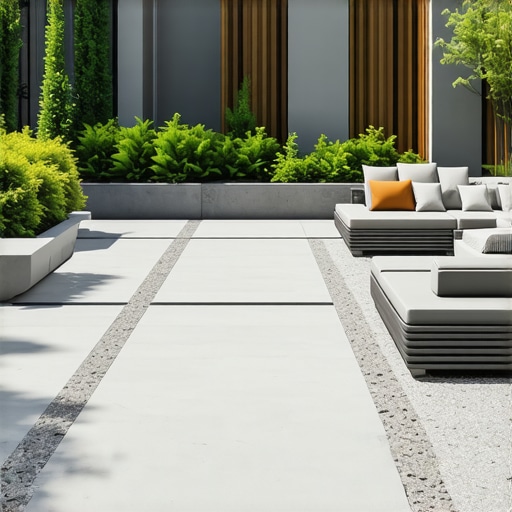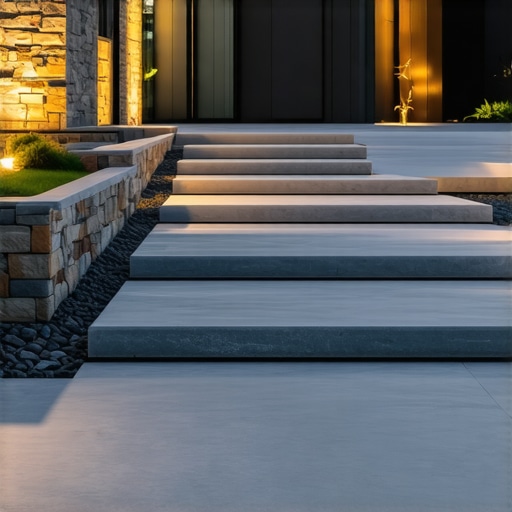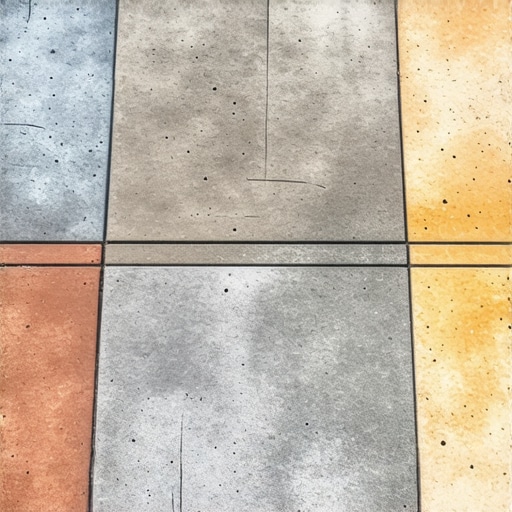
Hardscape engineering in 2026 requires more than just structural integrity; it demands thermal management to combat the rising Urban Heat Island effect. As a veteran foreman with two decades in the dirt, I can tell you that a patio is a massive thermal battery that stores solar radiation during the day and bleeds it out at night, often killing adjacent turf and stressing the root systems of nearby ornamentals. By utilizing advanced heat-reflective paver coatings, homeowners can reduce surface temperatures by up to 30 degrees Fahrenheit, significantly improving the micro-climate of the property while extending the lifespan of the hardscape materials.
The Hardscape Autopsy: Why Thermal Expansion Destroys Patios
A failed patio often traces back to unmanaged thermal expansion and poor base preparation. I recently got called out to tear up a $30,000 patio in a high-density suburb that was sinking and heaving in a bizarre, wave-like pattern. The previous contractor used a standard dark charcoal paver with zero reflective properties and a sub-par polymeric sand. In our 100-degree summers, those dark stones hit 165 degrees. That heat transferred straight down into the 4-inch modified stone base. Because they hadn’t accounted for the expansion cycles of the substrate under that kind of thermal load, the entire system began to shift. The polymeric sand literally baked out of the joints, allowing water to infiltrate the base. It was a total structural failure caused by heat. Don’t let your investment become a cautionary tale. Use coatings that reflect infrared light before it penetrates the stone.
“A retaining wall doesn’t fail because of the stone; it fails because of the water trapped behind it, but a patio surface fails when thermal expansion exceeds the joint’s elastic limit.” – Hardscape Engineering Axiom
1. Nano-Ceramic Infrared (IR) Shielding
Nano-ceramic IR coatings utilize microscopic ceramic spheres to scatter solar radiation before it can be absorbed by the paver’s mineral structure. These coatings are specifically designed for 2026 climate standards, offering a high Solar Reflective Index (SRI) without making the patio look like it’s covered in plastic. The tech works by creating a breathable barrier that allows moisture vapor to escape from the stone while blocking the short-wave infrared rays that carry heat. It prevents the ‘baking’ effect that turns a backyard into a furnace. It will last. It is the gold standard for high-end residential garden design where temperature control is as important as aesthetics.
How do I make my patio pavers cooler?
To reduce paver temperatures, you must apply a coating with an SRI (Solar Reflective Index) value of at least 29. This reflects a significant portion of the sun’s energy. Additionally, ensuring a 6-inch compacted gravel base helps dissipate thermal energy more effectively than thin 4-inch bases common in amateur installs.
2. High-Albedo Acrylic-Modified Polymers
Acrylic-modified polymer coatings increase the Albedo of the patio surface, reflecting visible light and UV radiation to keep the material cool. Unlike old-school sealers that yellow and peel, these 2026 formulations are UV-stable and chemically bond with the concrete or natural stone pores. They are particularly effective on lighter-toned pavers, amplifying their natural cooling properties. We use these on projects where the client has pets or children; you shouldn’t need shoes to walk on your own property. If you skip the primer on these, you are wasting your money. The bond depends on the surface pH being neutral, usually around 7.0.
| Coating Type | Avg. Temp Reduction | Durability (Years) | Best Substrate |
|---|---|---|---|
| Nano-Ceramic IR | 25-35°F | 5-7 | Dark Granite / Concrete |
| Acrylic Polymer | 15-20°F | 3-4 | Travertine / Limestone |
| TiO2 Photocatalytic | 10-15°F | 8-10 | Light Concrete / Clay |
3. Titanium Dioxide (TiO2) Photocatalytic Sealers
Titanium Dioxide coatings act as a semi-permanent cool-roof technology for your ground-level hardscaping by reflecting light and breaking down organic pollutants. This is the ‘smart’ choice for 2026. Not only does the TiO2 reflect the sun, but it also uses light to trigger a chemical reaction that destroys moss, algae, and exhaust particulates. It keeps the patio cleaner and cooler simultaneously. In my experience, these are best for areas with high humidity where mold growth usually darkens the stone, which in turn absorbs more heat. It’s a self-reinforcing cycle of cooling. It works. Don’t over-apply it, or you’ll get a white haze that is impossible to remove without acid washing.
“The thermal emissivity of a surface is just as critical as its reflectance; a material must be able to shed the heat it does manage to absorb.” – Texas A&M Agronomy & Hardscape Manual
How long do paver cool-coatings last?
Most professional-grade heat-reflective coatings last between 3 to 7 years depending on foot traffic and UV exposure. Maintenance requires a simple pH-neutral wash once a year. Avoid using pressure washers over 2000 PSI, as you will strip the nano-layers and ruin the thermal protection.
The Professional Installation Checklist
- Test Soil Drainage: Ensure a percolation rate of at least 1 inch per hour before laying the base.
- Verify Substrate pH: Use a litmus test on the pavers; coatings fail if the surface is too alkaline (above 9.0).
- Check Base Compaction: Use a plate compactor until the tamper literally bounces off the surface; 98% Proctor density is the goal.
- Apply in Shade: Never apply reflective coatings in direct sunlight or when the surface is above 85°F.
- Joint Integrity: Use a high-quality, heat-stable polymeric sand to prevent joint washout during thermal expansion.
Engineering the Modern Backyard
In 2026, we don’t just build; we mitigate. If you are investing $50,000 in a custom backyard, and you can’t walk on the stones in July, the design is a failure. Landscaping and hardscaping must work in tandem. By using these coatings, you protect the root zones of your expensive nursery stock from the radiating heat of the patio. You preserve the life of the stone. Most importantly, you create a space that is actually usable. Don’t be the homeowner who buys a beautiful patio only to realize it’s a heat trap. Spend the extra 15% on the coating. It pays for itself in longevity and comfort. Get it right the first time. Your feet—and your plants—will thank you.
![5 Culpeper VA Hardscape Fixes for Muddy 2026 Yards [Tested]](https://lawnmajesty.com/wp-content/uploads/2026/03/5-Culpeper-VA-Hardscape-Fixes-for-Muddy-2026-Yards-Tested.jpeg)