4 Warrenton VA Lawn Care Secrets for a Dark Green 2026
The morning fog clings to the rolling hills of Fauquier County like a damp wool blanket. You stand on your porch, coffee steaming, looking at a yard that currently resembles a patchwork quilt of dormant straw and stubborn weeds. It is a familiar sight for many here. The transition from the biting frost of a Virginia winter to the humid, suffocating embrace of a Piedmont summer is brutal on turf. Editor’s Take: Achieving a deep, emerald carpet by 2026 requires a shift in perspective. It is not about more chemicals; it is about respecting the biological clock of the local ecosystem and the dense clay under our feet. For those seeking professional guidance, reaching out for landscaping services can bridge the gap between amateur effort and professional results.
The Weight of the Piedmont Clay
Warrenton sits on a foundation that tests the patience of even the most seasoned groundskeeper. This soil, rich in minerals but often poor in drainage, suffocates roots when compacted. Imagine trying to breathe through a wet sponge. That is what your Fescue faces every time a heavy mower passes over it. Effective lawncare warrenton va starts with the realization that the grass we see is merely a reflection of the subterranean world we ignore. Roots need air. They need space. When the ground becomes a brick-like slab during a dry spell, the grass enters a state of panic. It stops growing and starts surviving. Moving beyond simple mowing warrenton va means addressing the physical structure of the earth. Mechanical aeration is a necessity, not a luxury. By pulling those small cores of earth, you invite oxygen back into the conversation. It is a slow process. It lacks the instant gratification of a fresh cut, but it is the silent engine of a dark green lawn.
The Great Virginia Rain Gamble
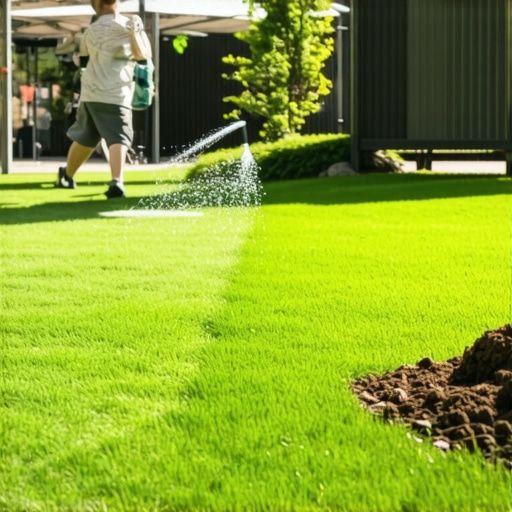
Weather in Northern Virginia is famously erratic. We get torrential downpours followed by three weeks of scorching drought. This cycle creates a feast-or-famine environment for local vegetation. A common mistake is the frequent, shallow watering that many homeowners prefer. This habit trains the grass to stay near the surface, making it vulnerable the moment the sun stays out too long. To build resilience, you have to be meaner to your lawn. Deep, infrequent soaking forces roots to dive deep into the cooler, damper layers of the clay. It is a psychological game as much as a biological one. You are teaching the plant to hunt for its own survival. This mimics the historical patterns of local flora before our modern irrigation systems intervened. Watching the grass slightly wilt before giving it a long drink builds a hardy system that can withstand the heatwaves of late July without turning into a brown wasteland.
Why the First Cut Sets the Tone
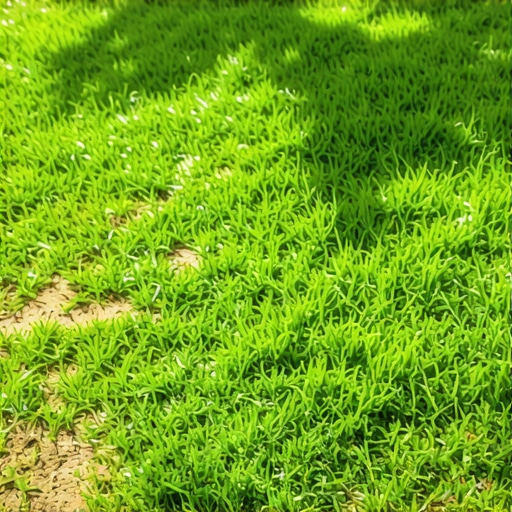
Many view mowing warrenton va as a chore to be rushed. They drop the deck low, thinking it will save them time the following week. This is a mistake that echoes through the entire season. Shorn too short, the grass loses its ability to photosynthesize effectively and exposes the soil to direct sunlight. This leads to rapid evaporation and invites weed seeds to germinate. Keeping the blade at four inches creates a canopy. This shade keeps the soil cool and preserves the moisture you worked so hard to put there. It is about building a microclimate. A taller lawn is a healthier lawn. It is a simple shift that costs nothing but yields the most significant visual impact. The density of a taller stand of grass naturally crowds out invaders like crabgrass and clover, reducing the need for chemical interventions. The rhythm of the season should dictate your height, but in Warrenton, staying high is almost always the winning strategy.
Modern Biology Versus Old School Habits
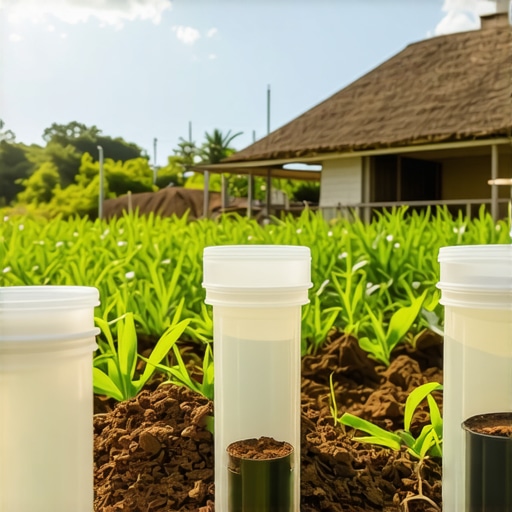
There is a lingering obsession with the high-nitrogen bags found in big-box stores. The ‘green-up’ they provide is a sugar rush—fast, flashy, and ultimately depleting. The modern approach focuses on the microbial life within the soil. Adding organic matter, like finely mulched leaves or a thin layer of compost, feeds the fungi and bacteria that actually make nutrients available to the grass. It is the difference between a liquid diet and a hearty meal. When we look at the historical data from the Virginia Tech Turfgrass Research Center, we see that soil pH is the ultimate gatekeeper. In our region, acidity is the norm. Without balancing that pH with lime, all the fertilizer in the world remains locked away, unavailable to the plant. It is a chemical standoff where the grass always loses. Testing the soil is the only way to know what you are truly fighting against. It turns a guessing game into a strategy.
Common Questions About Virginia Turf
When is the best time to overseed in Warrenton? Ideally, between late August and early October. The soil is warm, but the air is cooling, which is the perfect recipe for seed germination. Do I really need to remove my grass clippings? No. As long as you are mowing regularly, those clippings are free fertilizer. They break down quickly and return nitrogen to the soil. How do I handle the moss growing under my oak trees? Moss is a sign of shade, moisture, and acidic soil. You can either fight nature with lime and thinning branches or embrace a different ground cover that thrives where grass cannot. Is it possible to have a green lawn without irrigation? It is difficult during a Virginia drought, but selecting drought-tolerant cultivars and maintaining a high height of cut makes it much more likely.
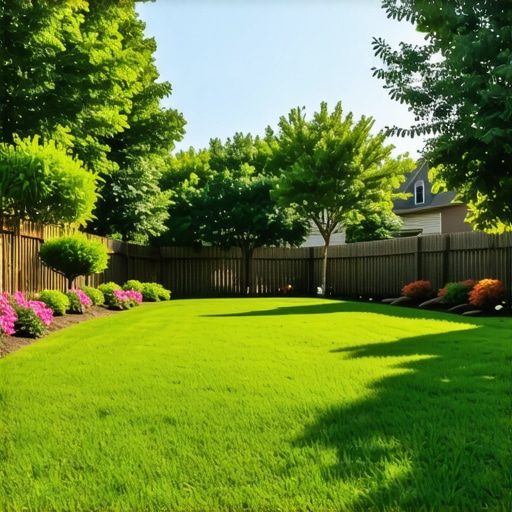
Getting that deep, lush look for 2026 is a marathon, not a sprint. It requires an understanding of the clay, a respect for the height of the blade, and the patience to let biology do the heavy lifting. Start with the soil, and the rest will follow. If you find the complexity of the Piedmont soil daunting, professional landscaping support is always a phone call away to ensure your outdoor space thrives for years to come.