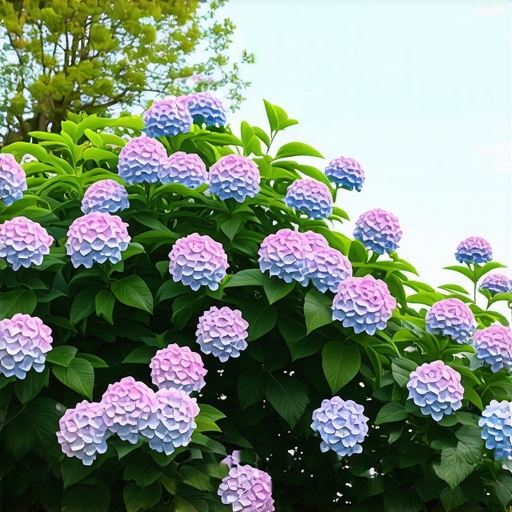
![Stop Killing Your 2026 Boxwoods with 3 Root Rot Fixes [Zone 7]](https://lawnmajesty.com/wp-content/uploads/2026/04/Stop-Killing-Your-2026-Boxwoods-with-3-Root-Rot-Fixes-Zone-7.jpeg)
The Smell of a Dying Investment: A Forensic Autopsy of Zone 7 Boxwoods
To stop killing your 2026 boxwoods in Zone 7, you must address poor soil drainage, improper planting depth, and pathogenic fungi like Phytophthora. These evergreen staples require well-aerated soil and a pH between 6.5 and 7.2 to thrive and resist the devastating effects of root rot in heavy clay environments.
I always drill into my new crew members: if you don’t fix the soil grading first, every plant you put in the ground is just expensive compost. I have seen it a thousand times. A client spends five figures on a Buxus sempervirens hedge, only for the leaves to turn a sickly bronze by July. You walk up, give the plant a slight tug, and it slides out of the earth like a greasy tooth. The roots are black, slimy, and smell like a swamp. That is not just bad luck. That is a failure of engineering. In Zone 7, our heavy red clay acts like a porcelain bowl, holding water until the roots literally drown in their own carbon dioxide. It is biological suffocation. You cannot fertilize your way out of a drainage grave. You have to fix the physics of the site before you ever touch a shovel.
“Phytophthora root rot is often called the ‘silent killer’ because by the time the foliage shows chlorosis, the vascular system of the lower stem is already permanently necrotic.” – Penn State Department of Plant Pathology
How do I know if my boxwoods have root rot?
The first sign is usually a loss of that deep, waxy green luster. You will notice a dulling of the foliage, followed by upward curling of the leaves. In Zone 7, this often happens after the spring rains hit the summer heat. If you scrape the bark at the soil line with your thumbnail and see brown or cinnamon-colored tissue instead of white or light green, the plant is likely terminal. It will die. There is no middle ground here.
Fix 1: Sub-grade Engineering and the Perched Water Table
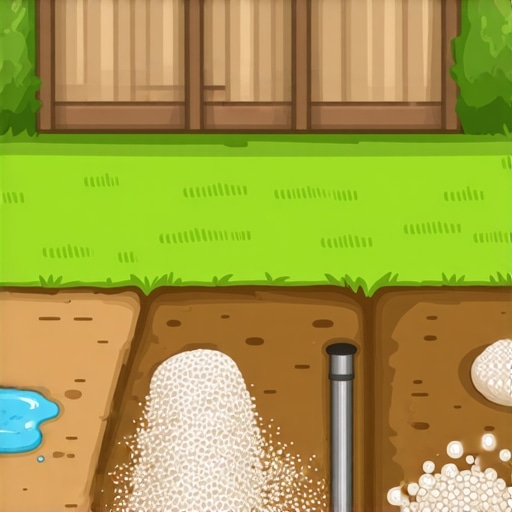
Eliminating root rot requires breaking the perched water table by installing French drains or swales to move hydrostatic pressure away from the root zone. In heavy clay, water sits in the micro-pores, creating an anaerobic environment that triggers the germination of Phytophthora cinnamomi spores within 48 hours of saturation.
In my firm, we don’t just dig a hole. We test the percolation rate. If your soil doesn’t drain at least one inch per hour, you are planting in a bathtub. For high-end garden design, we often specify a modified gravel base or a series of four-inch perforated pipes wrapped in geotextile fabric beneath the boxwood trench. This isn’t just landscaping; it is civil engineering on a micro-scale. You must ensure the water has a path of least resistance that leads away from the crown. If you are on a slope, don’t think you are safe. Surface runoff can still saturate the top six inches of soil, which is where 90% of boxwood roots live. We use a transit level to ensure a minimum 2% slope away from the primary planting beds. No exceptions.
| Material/Method | Impact on Drainage | Zone 7 Effectiveness |
|---|---|---|
| Expanded Shale | Increases macro-pore space | High in heavy clay |
| French Drain | Rapidly removes subsurface water | Essential for low spots |
| Raised Berms | Lifts roots above saturation zone | Best for specimen plants |
| Peat Moss | Increases water retention | Dangerous for Boxwoods |
Fix 2: Correcting the Root Flare and Mulch Volcanoes
You can prevent root rot by ensuring the root flare—the point where the trunk widens into roots—is visible above the soil line at the time of installation. Planting boxwoods too deep or burying them under three inches of mulch creates a moisture trap that softens the bark and invites opportunistic pathogens.
I see this mistake on every “mow-and-blow” crew’s job site. They want the yard to look finished, so they pile mulch up against the stems. We call these mulch volcanoes. They are death sentences. The bark on a boxwood is not designed to be submerged in wet organic matter. When you bury that flare, you trigger adventitious rooting, which eventually girdles the main stem, choking the plant. More importantly, it keeps the base of the plant perpetually damp, providing a highway for fungus to enter the vascular system. My rule is simple: I want to see the top of the root ball. It should be one inch higher than the surrounding grade. When the soil settles, it will be flush. Don’t skip this. It is the difference between a 50-year hedge and a 2-year replacement cycle.
How deep should I plant a boxwood in Zone 7 clay?
You should dig a hole twice as wide as the root ball but no deeper than the root ball itself. In heavy clay, I actually prefer to sit the plant on two inches of undisturbed soil above the bottom of the trench. This ensures that even as the plant settles, the crown remains elevated. Never put loose soil back into the bottom of the hole, or the plant will sink and rot.
Fix 3: Chemical Remediation and Soil Microbiology
To chemically suppress root rot, apply systemic fungicides containing Mefenoxam or Phosphorous acid while simultaneously inoculating the soil with mycorrhizal fungi to build long-term root resilience. While chemicals provide a short-term shield, a healthy soil food web is the only sustainable defense against recurring rot outbreaks.
“A retaining wall doesn’t fail because of the stone; it fails because of the water trapped behind it, and a root system doesn’t fail because of the fungus; it fails because the environment favored the fungus over the plant.” – Hardscape Engineering Axiom
If you have had boxwoods die in a specific spot before, the spores are still in the soil. They stay viable for years. Before you replant in 2026, you need to drench the area with a fungicide like Subdue MAXX or a more DIY-friendly Phosphite product. But don’t stop there. We use high-quality biological stimulants that contain Trichoderma harzianum. This beneficial fungus actually eats the bad fungus. It is biological warfare under your lawn. We also check the NPK ratios. High nitrogen in late summer leads to soft, succulent growth that is highly susceptible to disease. Stick to a slow-release, low-nitrogen organic fertilizer in early spring only.
Boxwood Health Checklist
- Check soil pH: Target 6.5 to 7.2 range.
- Perform a percolation test: Soil must drain 1 inch per hour.
- Inspect the root flare: Ensure it is not buried by mulch or soil.
- Check irrigation: Set to water deeply but infrequently (1 inch per week).
- Sterilize shears: Use 70% isopropyl alcohol between every plant to prevent spread.
The reality is that boxwoods are high-maintenance investments. If you want a “set it and forget it” yard, go buy plastic plants. But if you want the prestige of a well-manicured garden, you have to respect the biology. Stop drowning your plants. Stop burying their necks. Give them air, give them drainage, and they will outlive you. Keep your hands in the dirt and your eyes on the drainage lines.
![Stop Killing Heat-Stressed Hydrangeas: 3 Watering Fixes [2026]](https://lawnmajesty.com/wp-content/uploads/2026/04/Stop-Killing-Heat-Stressed-Hydrangeas-3-Watering-Fixes-2026.jpeg)