![Stop Killing Heat-Stressed Hydrangeas: 3 Watering Fixes [2026]](https://lawnmajesty.com/wp-content/uploads/2026/04/Stop-Killing-Heat-Stressed-Hydrangeas-3-Watering-Fixes-2026.jpeg)
The Forensic Autopsy of a Dying Hydrangea
I always drill into my new crew members: if you don’t fix the soil grading first, every plant you put in the ground is just expensive compost. I saw it again last Tuesday. A client called me out to look at a row of Hydrangea macrophylla that looked like they had been hit with a blowtorch. The leaves were crispy brown at the margins and the stems were flopped over like wet noodles. The homeowner was watering them for 20 minutes every single afternoon with a spray nozzle. They thought they were helping. In reality, they were drowning the roots while the leaves were starving for moisture. When we dug a test pit, the soil 4 inches down was a muddy, anaerobic mess. The roots were black and slimy. That is not heat stroke; that is root rot caused by a fundamental misunderstanding of soil physics and plant physiology. Most people think a wilting plant needs more water. Often, a wilting plant in heavy clay soil is actually suffocating because the pore spaces are filled with water instead of oxygen. You have to stop treating your garden like a bathtub and start treating it like a biological engine.
Why Do Hydrangeas Wilt in Summer?
Hydrangea heat stress occurs when the rate of transpiration from the leaves exceeds the ability of the root system to transport water, often caused by high vapor pressure deficits or poor soil structure. Even in moist soil, large-leafed hydrangeas will wilt to protect themselves by closing their stomata to prevent further moisture loss. It is a defense mechanism, not necessarily a death knell.
“A hydrangea’s large leaf surface area makes it highly susceptible to rapid water loss. In many cases, the plant is not actually short on soil moisture but is unable to move water through its vascular system fast enough to keep up with midday evaporation.” – Horticultural Research Manual
How much water does a hydrangea actually need?
An established hydrangea typically requires 1 inch of water per week, delivered in deep, infrequent sessions that reach 8 to 12 inches into the soil profile. During heat waves or periods where temperatures exceed 90 degrees Fahrenheit, this demand may increase, but the delivery method must remain focused on root zone saturation rather than foliage wetting.
Fix 1: The Deep Soak and The 3-Inch Barrier
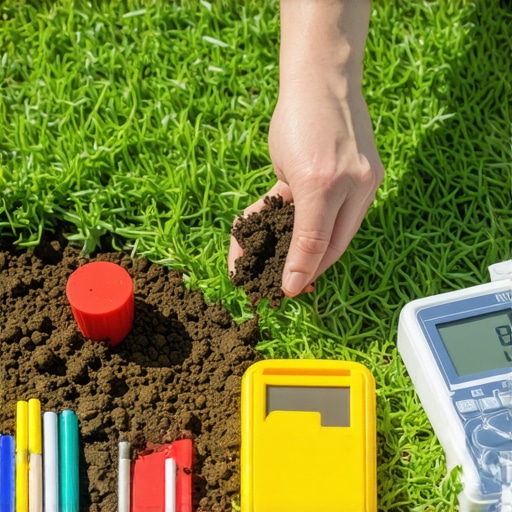
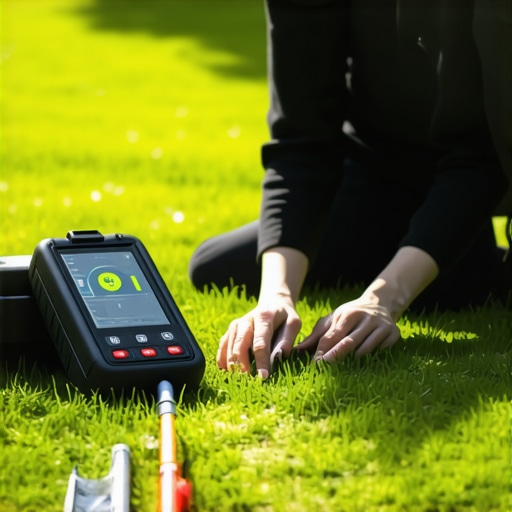
To fix heat stress, you must move away from the ‘mow-and-blow’ mentality of surface watering. Surface watering encourages shallow root systems that burn up the moment the top inch of soil dries out. We use a soil probe to check the moisture at the 6-inch mark. If it is dry there, you soak the ground. You do not spray the leaves. Wetting the foliage in high humidity is an invitation for Cercospora leaf spot and powdery mildew. We recommend a slow drip irrigation system or a soaker hose buried under a layer of mulch. Speaking of mulch, stop using that dyed bagged junk from the big-box stores. It is often made of ground-up pallets and contains chemicals that mess with soil pH. Use a high-quality double-shredded hardwood mulch. You need exactly 3 inches of depth. No more, no less. And for the love of your landscape, keep the mulch away from the root flare. We call them mulch volcanoes, and they are a death sentence for woody shrubs. The mulch acts as an insulator, keeping the soil temperature 10 to 15 degrees cooler than the ambient air temperature. This reduces the metabolic stress on the plant and keeps the mycorrhizal fungi active.
Fix 2: Drainage Remediation and Soil Physics
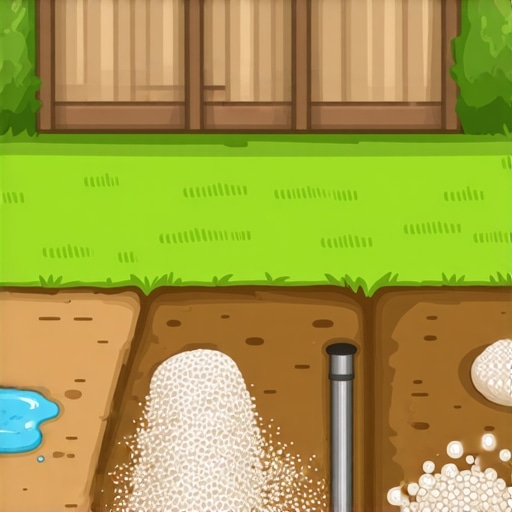
If your soil is heavy clay, your hydrangea is likely sitting in a perched water table. This is where hydrostatic pressure works against the plant. When the soil is saturated, oxygen is pushed out. Without oxygen, the roots cannot perform cellular respiration. They stop taking up water. The plant wilts. You see a wilting plant and add more water. You are essentially waterlogging a drowning victim. To fix this, you must improve the pore space. I tell my crews to never plant a hydrangea in a hole the size of the pot. You dig a hole three times as wide and incorporate expanded shale or coarse organic matter to break up those clay platelets. We are looking for capillary action that moves water away from the crown. If the area is a low spot, you don’t plant a hydrangea there unless you install a French drain or a dry well. You cannot fight gravity with a garden hose. You have to engineer the exit strategy for excess water.
“Soil compaction is the primary killer of urban landscapes, reducing infiltration rates by up to 90% and forcing roots to remain in the heat-vulnerable top two inches of soil.” – Penn State Agricultural Extension
Fix 3: Strategic Shading and Morning Hydration
Timing is everything in landscaping. If you are watering at 2:00 PM, you are losing 30% of that water to evaporation before it even hits the mulch. You water at 5:00 AM. This allows the plant to fully hydrate its vascular tissues before the sun starts pulling moisture out of the leaves. It also ensures that any accidental leaf moisture dries quickly, preventing fungal outbreaks. If your Hydrangea macrophylla is in full sun and hitting 100 degrees every day, you need to provide temporary mechanical shade. We use 40% shade cloth during record-breaking heat waves. It’s not ‘pretty,’ but it keeps the plant from hitting its permanent wilting point. In the long term, you need to evaluate your garden design. Hydrangeas are understory plants. They want filtered light, not the direct blast of the afternoon sun reflecting off a white vinyl fence. That reflected heat can raise leaf temperatures to 120 degrees, which causes literal cellular collapse.
What is the best fertilizer for heat-stressed plants?
None. Do not fertilize a stressed plant. High-nitrogen fertilizers force the plant to produce new, tender growth that requires even more water to sustain. It’s like asking a marathon runner to sprint the last mile while they are dehydrated. Wait until the weather cools in the fall. Focus on soil health and microbiology rather than chemical NPK boosts. A soil test will tell you if your pH is off. If your pH is above 6.5, your hydrangea might struggle to take up iron and aluminum, leading to chlorosis which further weakens its heat tolerance.
Hydrangea Species Heat Tolerance Comparison
| Species | Heat Tolerance | Water Demand | Best Exposure |
|---|---|---|---|
| Paniculata (PeeGee) | High | Moderate | Full Sun to Part Shade |
| Quercifolia (Oakleaf) | High | Low (Once Established) | Part Shade / Wooded |
| Macrophylla (Bigleaf) | Low | High | Morning Sun Only |
| Arborescens (Smooth) | Moderate | High | Part Shade |
Hydrangea Health Checklist
- Check soil moisture at 4-6 inches deep before watering.
- Apply 3 inches of hardwood mulch, avoiding the stems.
- Water before 8:00 AM to maximize absorption.
- Avoid overhead irrigation to prevent leaf disease.
- Ensure soil pH is between 5.5 and 6.2 for optimal nutrient uptake.
- Monitor for spider mites, which thrive on heat-stressed plants.
Stop looking for a magic spray. There is no chemical fix for a plant that is physically unable to breathe or drink. Landscaping is about managing the abiotic factors—sun, wind, water, and soil. If you get the engineering right, the biology takes care of itself. If you keep watering the leaves of a drowning plant, you are just watching it die in slow motion. Fix the dirt. Fix the timing. Fix the drainage. That is how you keep hydrangeas alive in 2026. Don’t be a hack. Do the work. It will grow.
![4 Tactics to Stop 2026 Boxwood Root Rot [Tested]](https://lawnmajesty.com/wp-content/uploads/2026/04/4-Tactics-to-Stop-2026-Boxwood-Root-Rot-Tested.jpeg)