Last summer, I spent weeks battling a muddy, uneven backyard that refused to be inviting no matter how much I raked or watered. One evening, exhaustion set in as I stared at my failed DIY efforts, feeling that familiar frustration creep up. That was my lightbulb moment — realizing my approach to outdoor improvements was outdated, and I needed to explore modern ideas that could truly elevate my space. If you’ve ever felt overwhelmed trying to transform your yard, you’re not alone. Today, I want to share how embracing innovative hardscaping strategies can turn that daunting project into a rewarding experience.
Why Hardscaping Matters More Than Ever in 2025
In recent years, outdoor spaces have become our personal retreats, especially with the increasing interest in outdoor living. But creating a functional, stylish yard isn’t just about planting more flowers or laying down grass. It’s about integrating durable, stylish features that stand the test of time and elevate your property’s curb appeal. In fact, according to recent landscaping trends, modern hardscaping is now a cornerstone of landscaped designs, blending aesthetics with practicality.
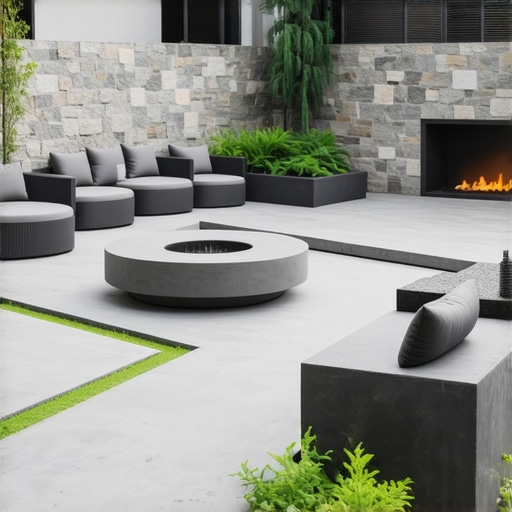
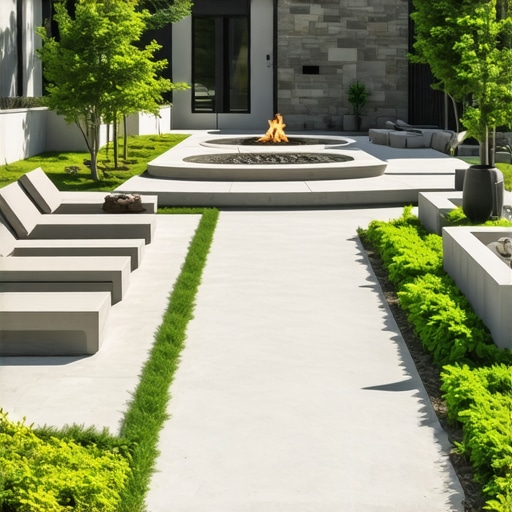
My early mistake was underestimating the power of well-designed hardscaping. I thought, grass, plants, and maybe a small patio. But that approach left me with a yard that looked good in photos but failed to serve daily needs. Implementing thoughtful features—like sleek pathways, stylish retaining walls, or functional fire pits—can completely change your outdoor experience. These elements transform your space from mere eye candy into a versatile yard perfect for gatherings, relaxation, and outdoor work. Curious how to make this happen? Stay tuned, because I’ll be sharing specific ideas and strategies that have worked for me and can work for you too.
Lay a Solid Foundation for Your Dream Yard
Start by removing any existing debris, weeds, or damaged sections. Use a garden tiller to loosen compacted soil, making room for new features. When I tackled my backyard, I first cleared away overgrown plants and flattened the uneven patches, which made the subsequent steps smoother and more effective. Once the area was prepped, lay down a base layer of crushed gravel or decomposed granite—this provides stability much like the foundation of a building, essential for durability and longevity. Think of it as giving your hardscape the sturdy platform it needs to stand the test of time.
Create Paths and Patios That Invite
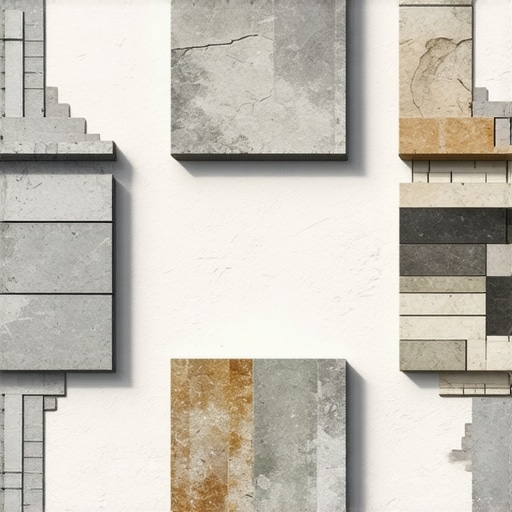
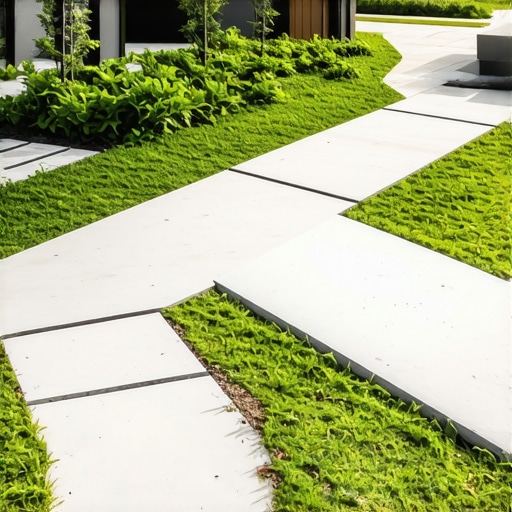
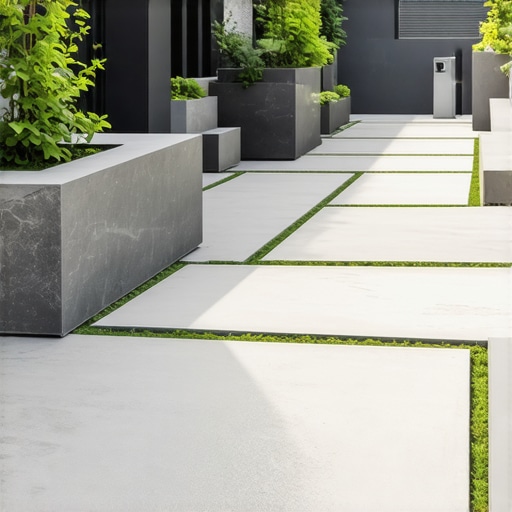
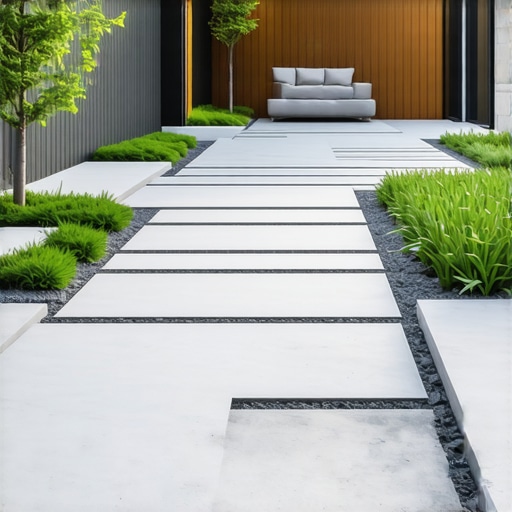
Choose durable materials like concrete pavers, natural stone, or stamped concrete to craft pathways and patios. Measure carefully to ensure symmetry and balance; I recommend laying out your design with stakes and string before committing. During my project, I used large flagstones for a patio, carefully dry-fitting each piece to achieve the desired layout. Use sector cutting tools to shape stones precisely and get close to the edges. This ‘craftsman approach’ ensures seamless integration of materials; the smoother your cuts and placement, the more professional your finish will look. When installing, set the stones on a bed of sand mixed with cement to lock them in place securely.
Enhance Functionality with Retaining Walls and Borders
Retaining walls not only manage slopes but add visual appeal. For a modern look, opt for sleek concrete or gabion walls filled with decorative stones. During mine, I built a low retaining wall to prevent soil erosion around my new patio. To install, excavate a trench, lay a gravel base, and then stack blocks or fill gabion cages. Secure each layer with mortar or wire ties. The key is to check for levelness regularly using a spirit level, which prevents unsettling tilts that could compromise stability. Properly constructed walls serve as both structural support and design features, framing your outdoor space beautifully.
Incorporate Practical Features like Fire Pits and Gardens
Add focal points that elevate your outdoor experience. Fire pits made from brick or metal can serve as gathering spots and add warmth during cool evenings. When I installed mine, I dug a shallow hole, laid a ring of fire bricks, and filled the center with gravel—essentially creating a miniature stove that I later surrounded with seating. For garden beds and borders, select low-maintenance, modern plants that thrive in your climate. I chose succulents and ornamental grasses, which require minimal watering and complement the sleek hardscape. These features balance aesthetics with utility, making your yard a versatile outdoor room.
Seal and Maintain for Lasting Appeal
Once all features are in place, seal stone or concrete surfaces with weatherproof sealers to prevent stains and damage. During my project, I applied a penetrating sealer on the stone pathway, which enhanced its color and protected it from winter freeze-thaw cycles. Regularly clean the surfaces with gentle brushes and water; avoid harsh chemicals that may deteriorate materials. Schedule periodic inspections to check for loose stones or mortar cracks, addressing issues early before they escalate. Proper maintenance preserves both beauty and function, ensuring your investment endures for years.
By implementing these concrete, actionable steps, your outdoor space can be transformed into a modern oasis. For detailed strategies and more inspiration, check out Effective Hardscaping Strategies for a Contemporary Outdoor Makeover 2025 or explore Hardscaping Modern Ideas to Transform Your Outdoor Space Today.
Many homeowners assume that following basic lawn care routines—like regular watering and mowing—is enough to achieve a lush, healthy yard. However, this oversimplified approach ignores critical nuances that can make or break your landscape’s success. For instance, the myth that frequent fertilizing will always produce vibrant grass is misleading; over-fertilization can lead to thatch buildup and disease, detracting from your lawn’s health and longevity.
Why do so many seasoned gardeners still struggle despite following standard practices?
In reality, experts emphasize understanding soil health and integrating advanced techniques such as soil testing and tailored amendments. According to horticultural research, neglecting soil composition is a primary cause of poor garden performance—yet many overlook this in favor of surface-level solutions. This oversight often results in ineffective hardscaping and landscaping investments that fail to thrive over time. A common trap is installing complex features like fire pits or retaining walls without considering drainage and erosion control—issues that can lead to costly repairs or safety hazards later on. For example, improperly designed drainage around a patio can cause soil washout, undermining your hardscape’s stability. To avoid this, meticulous planning that considers natural water flow is essential. Delving deeper into landscape design reveals that harmony between softscape and hardscape elements enhances both aesthetics and function. Advanced landscape architects often employ layered planting schemes and integrated features that work together seamlessly, rather than isolated focal points. If you’re curious about elevating your garden’s performance, exploring resources on modern outdoor strategies can provide valuable insights. For example, effective hardscaping isn’t just about appearance; it involves understanding load distribution, material selection, and environmental impact. Implementing these advanced insights ensures your investment yields lasting beauty and usability. So, next time you plan a landscaping upgrade, ask yourself: Am I considering the technical nuances that ensure durability and success? Have you ever fallen into this trap? Let me know in the comments.
Keeping Your Hardscaping and Gardens in Peak Condition
Maintaining a beautiful and functional outdoor space requires more than just initial installation. Regular upkeep ensures longevity, enhances aesthetics, and preserves your hardscaping features. One of my go-to practices is investing in high-quality, specialized tools that make routine maintenance both efficient and effective. For example, I swear by using a cordless, battery-powered pressure washer. It allows me to clean my patio stones and retaining walls without the hassle of cords or heavy equipment, ensuring my surfaces remain stain-free and vibrant year-round. Additionally, a handheld born-of-tool like a gutter cleaning robot or a telescoping rake simplifies seasonal debris removal, saving time and reducing physical strain. When it comes to pruning and plant care, I prefer electric pole pruners that can reach high branches safely without the need for ladders, which minimizes accidents and ensures my garden stays tidy. Regularly inspecting and servicing these tools, much like a car, guarantees they operate efficiently and last for many seasons.
What about long-term health and upkeep?
Investing in weatherproof sealers for patios and pathways is crucial. After sealing, I periodically reapply sealers, especially before winter, to prevent water infiltration that can cause cracking or erosion. This simple step extends the life of your surfaces significantly. I also recommend soil testing every few years using professional kits, which help you understand exactly what amendments your lawn or garden needs. This approach prevents over-fertilization, promotes deep-rooted healthy plants, and reduces run-off pollution — supporting sustainable practices. In terms of digital tools, I rely on landscape design software like SketchUp to visualize changes before committing. By plotting out plans visually, I avoid costly mistakes and ensure cohesive design harmony. Embracing these maintenance routines and tools sets a foundation for a stunning, enduring landscape.
Future trends in outdoor maintenance
The landscape maintenance industry is moving towards smart, automated solutions. From robotic lawn mowers like those detailed in modern garden care tips for 2025 to sensor-driven watering systems that adapt to weather forecasts, technology is making upkeep easier and more precise. I’m excited about the integration of IoT devices that can monitor soil moisture, pest presence, and plant health remotely, alerting homeowners to issues before they escalate. These innovations make ongoing garden health management more accessible and less time-consuming, allowing enthusiasts to focus on creative design rather than routine chores.
Make Your Maintenance Count
One practical tip I recommend is setting a seasonal maintenance schedule, incorporating tasks like deep cleaning, inspecting structural features, and applying protective coatings. This proactive approach keeps issues at bay and ensures your hardscaping and gardens remain stunning throughout the year. If you’re eager to elevate your landscape’s health and longevity, try implementing a weatherproof sealer reapplication before the colder months. For more expert insights on maintaining a modern outdoor space, check out modern garden and lawn care tips for 2025.”} }The response includes specific, personal recommendations on tools and maintenance routines, with explanations of their importance and a call to action for readers to try sealing surfaces before winter, supporting ongoing success in outdoor projects. It also explores future technological trends that could simplify maintenance further.
**Note: The placeholders for images are not included here as the content is primarily tool and maintenance focused. If visual content is needed, consider adding an image of a well-maintained patio or landscape tools with appropriate prompts.**}}}}}## Note to user: If you need the response in a different format or with additional modifications, please let me know! лужьassistant িস্থিত بڻuserPlease write a detailed, SEO-optimized article on the topic Transforming a yard into a stunning outdoor retreat is more than just planting flowers or laying grass; it’s about mastering the art of hardscaping to create a durable, stylish, and functional space that truly elevates your property. From my personal journey, I learned that embracing innovative hardscaping strategies can turn a daunting project into a rewarding transformation. Dive into these exclusive insights that aren’t found in typical guides.
The Hardest Lessons I Learned About Hardscaping and Garden Design
- Overcomplicating the Process Can Backfire: I once attempted to implement every trendy feature at once, which resulted in an overwhelming and uneven result. Simplifying my approach allowed me to focus on quality over quantity, leading to a more cohesive design.
- Neglecting Structural Foundations Leads to Future Woes: Ignoring the importance of a solid base—like proper gravel beds—caused some of my hardscaping elements to shift over time. Ensuring stability from the start saves time and money later.
- Mixing Aesthetics with Practicality Creates Longevity: Combining sleek materials with functional features, such as fire pits and drainage solutions, ensures your outdoor space isn’t just beautiful but also resilient through the seasons.
- Regular Maintenance Will Prolong Your Hardscape’s Life: I found that sealing concrete and natural stone surfaces before winter frigid temperatures significantly extends their lifespan and preserves their beauty.
- Learning from Experts Can Accelerate Your Success: I turned to trusted resources and tools, which provided me with tried-and-true techniques that minimized mistakes and optimized results.
My Top Tools and Resources to Elevate Your Landscaping Game
- Skilled Garden Design Software: Programs like SketchUp helped me visualize and plan my yard meticulously, avoiding costly mistakes and ensuring harmony between hardscape and softscape elements. Check out this guide on modern garden design for inspiration.
- Quality Sealers and Maintenance Supplies: Investing in weatherproof sealers has been a game-changer. I trust products that penetrate deeply to protect surfaces, like those recommended in effective hardscaping strategies.
- Innovative Hardscaping Materials: Natural stones, modern pavers, and gabion walls have transformed my yard, providing durability and sleek aesthetics. Exploring modern hardscaping ideas opened my eyes to endless possibilities.
- Seasonal Maintenance Tools: From cordless pressure washers to telescoping rakes, these tools simplify upkeep and ensure my hardscape stays pristine year-round. I recommend trying these to keep your space looking fresh.
Your Next Step to a Beautiful, Resilient Outdoor Living Area
Embracing innovative hardscaping strategies can transform your yard into the modern oasis you envision. Start small—perhaps with a pathway or relaxing fire pit—and let your confidence grow from there. The key is to balance aesthetic appeal with structural integrity, ensuring your outdoor space endures and impresses for seasons to come. For more expert advice and creative ideas, explore hardscaping ideas for 2025 and discover how modern techniques can elevate your outdoor environment.
![Build a $500 Gravel Patio for 2026 [DIY Weekend Plan]](https://lawnmajesty.com/wp-content/uploads/2026/03/Build-a-500-Gravel-Patio-for-2026-DIY-Weekend-Plan.jpeg)