How to Add a Water Feature Without Breaking the Bank
Why Most Budget Water Features Fail Before the First Winter
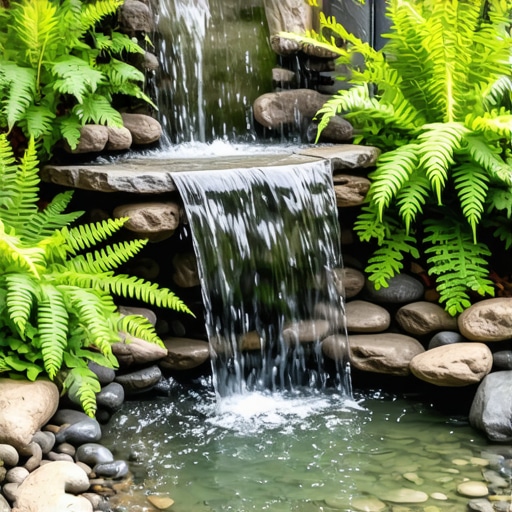
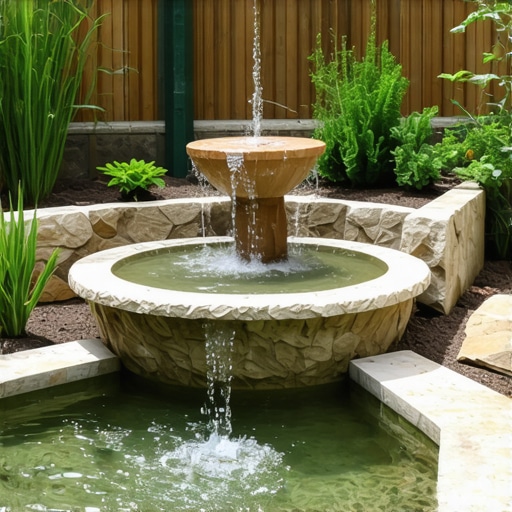
To add a water feature without breaking the bank, homeowners must prioritize site grading and pump efficiency over decorative aesthetics. Successful landscaping projects utilize pondless waterfall kits or disappearing fountains to reduce the high costs of biological filtration and maintenance associated with traditional ponds. I always drill into my new crew members: if you don’t fix the soil grading first, every plant you put in the ground is just expensive compost, and every water feature is just a future mud hole. I have seen guys spend five thousand dollars on natural stone only to have the entire feature sink six inches because they ignored the soil compaction and hydrostatic pressure. You cannot cheat the physics of water and weight. If you want a water feature that lasts twenty years instead of twenty days, you start with the transit level and the shovel, not the decorative pebbles. Water is heavy. One cubic foot of water weighs approximately 62.4 pounds. When you build a basin, you are creating a structural load that your subsoil must support without shifting. Failure to understand this leads to liner punctures and pump burnouts.
The Engineering of Low-Cost Hydrology
Planning a garden design involving water requires a strict understanding of GPH (Gallons Per Hour) requirements and head height calculations to avoid wasting money on oversized pumps. Many DIY enthusiasts buy the most expensive pump they can find, thinking more power is better. This is a mistake. A pump that is too large for the spillway width creates excessive splash, leading to constant water loss and eventual pump failure due to dry running. You need to measure the vertical lift from the water surface to the highest point of the feature. This is your total dynamic head. Select a pump that meets the required GPH at that specific height. Don’t guess. Measure it. Check it twice. It will save you hundreds in electricity and replacement costs over the life of the feature.
“The most common cause of pond failure is the lack of a proper biological filter or insufficient pump circulation which leads to anaerobic conditions.” – Penn State Extension Water Quality Guide
The Ground-Up Build: Excavation and Liner Selection
Excavating for a hardscaping project requires identifying the frost line and ensuring the basin depth is sufficient to prevent total freeze-thaw displacement. You need to dig deeper than you think. A common mistake is using cheap PVC liners from big-box stores. They are garbage. They become brittle under UV exposure and crack during the first freeze. Use 45-mil EPDM rubber liners. They are more expensive upfront but they are the industry standard for a reason. They flex. They stretch. They survive. If you are on a budget, save money on the rocks by sourcing local fieldstone rather than imported river jack. Never compromise on the liner or the underlayment. The underlayment is your last line of defense against sharp rocks and roots. Use a non-woven geotextile fabric. Do not use old carpet. Carpet rots and creates a methane pocket that can bubble up and shift your stones. Use the right materials for the subterranean work. The pretty parts come later.
How much modified gravel do I need for a water feature base?
Calculating modified gravel needs involves determining the cubic footage of the excavated basin and adding a twenty percent compaction factor to ensure structural stability. For a standard disappearing fountain basin, you generally need a six inch layer of 2A modified stone. Compact this in two inch lifts using a plate tamper or a hand tamper until the surface is rock hard. If the tamper doesn’t bounce, it isn’t ready. This base prevents the feature from settling and prevents the liner from stretching thin over voids in the soil. Soil moves. Rock doesn’t.
| Material Type | Expected Lifespan | Relative Cost | Best Use Case |
|---|---|---|---|
| 45-Mil EPDM Liner | 25+ Years | Moderate | Professional Ponds and Streams |
| PVC Liner | 2-5 Years | Low | Temporary Small Features |
| Preformed Plastic | 10-15 Years | High | Small Urban Spaces |
| Concrete | Variable | High | Architectural Formal Pools |
Integrating Water into Your Existing Lawn Care Routine
Adding a water feature changes the micro-climate of your yard, increasing local humidity levels and potentially affecting the turf grass health in the immediate perimeter. You must ensure that the overflow drainage is directed away from your primary lawn areas. If you let a water feature overflow into your turf, you are inviting Pythium blight and other fungal pathogens that thrive in saturated soil. Your landscaping plan must include a dedicated drainage path, usually a French drain filled with one inch clean stone, to handle heavy rain events. Water features are not closed systems when it rains. They are collection basins. If you don’t plan for the exit of that water, the water will find its own path, usually through your foundation or your neighbor’s flower bed. Be a professional. Plan for the overflow.
What are the best low-maintenance plants for a budget pond?
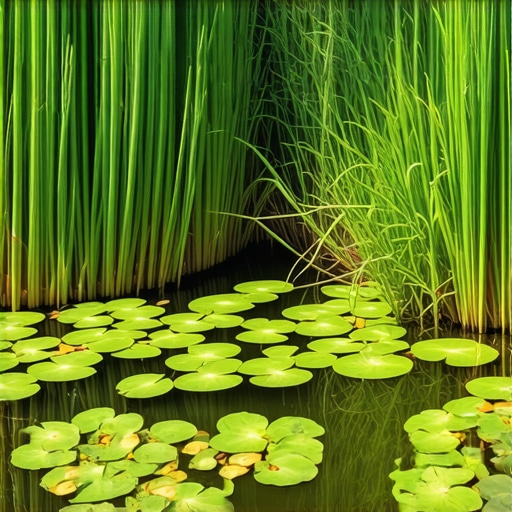
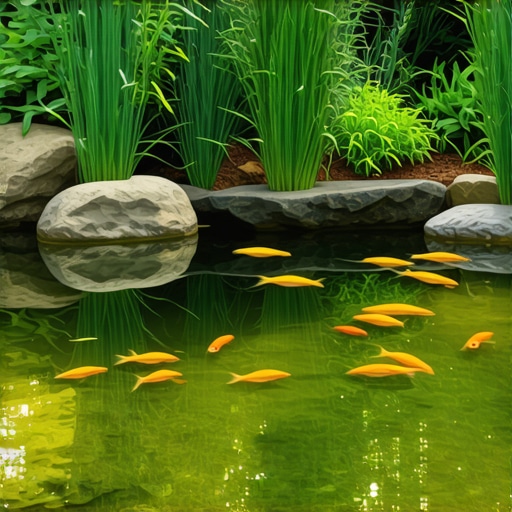
Selecting native aquatic plants like Pickerel Weed or Hardy Water Lilies ensures biological nutrient uptake and reduces the need for expensive chemical algaecides. These plants act as natural filters. They compete with algae for nitrates and phosphates. If you balance your plant load correctly, about 50 to 60 percent surface coverage, you won’t need to spend a dime on UV clarifiers or copper ionizers. It is basic biology. More plants equals less algae. Just make sure you don’t plant them too deep. Most marginals want their crowns only two to four inches below the water surface. Use heavy clay soil in your planting pots, not potting soil. Potting soil has peat moss that will float and clog your pump. Use the heavy stuff.
- Call 811 before you dig to mark all underground utility lines.
- Level the top of the basin perfectly to prevent visible liner edges.
- Use professional grade waterfall foam to direct water over rocks rather than under them.
- Install a dedicated GFI outlet for the pump to ensure electrical safety.
- Wash all decorative stone before placing it in the feature to prevent silting.
“A retaining wall or water basin doesn’t fail because of the stone; it fails because of the water pressure and soil movement trapped behind it.” – Hardscape Engineering Axiom
The Maintenance Schedule: Year One and Beyond
The first year of a new water feature is the settling period where you must monitor for liner shifting and evaporation rates. Expect some settling. As the ground takes on the weight of the water, stones may shift. Keep an eye on the edges. If you see the liner, pull the stone and reset it. Don’t let the sun hit the bare EPDM. It won’t kill it immediately, but it isn’t good practice. Check your pump intake once a week. Leaf litter is the enemy of GPH. If the pump has to struggle to pull water, the motor will overheat. It’s a simple fix that saves a two hundred dollar motor. In the winter, if you live in a freeze zone, pull the pump. Don’t leave it in the ice. Store it in a bucket of water in the garage to keep the seals from drying out. This is how you make a budget project last a lifetime. You work harder so the equipment doesn’t have to. Real landscaping is about longevity, not just looking good for the