How to edge a flower bed with bricks
Why Brick Edging Requires Engineering, Not Just Aesthetics
Brick edging is a permanent hardscape barrier designed to prevent rhizomatous grass migration and soil erosion. By using a compacted gravel sub-base and polymeric sand joints, you create a structural transition that resists frost heave and hydrostatic pressure better than plastic or wood. Most people think edging is just decorative. It is not. It is a retaining wall for your lawn. If you do not engineer it for drainage, the soil will win every time.
I recently got called out to tear up a $30,000 patio and garden suite that was sinking because the previous contractor thought they could just ‘float’ the brick edging on top of raw topsoil. Within two seasons, the freeze-thaw cycles of the local clay had turned the straight lines into a jagged mess. The homeowner was literally losing their garden soil into the lawn every time it rained. We had to excavate the entire perimeter, haul away thirty yards of contaminated mud, and start from the sub-grade. It was an expensive lesson in physics. Don’t skip the base. It is the only thing that matters.
“A retaining wall doesn’t fail because of the stone; it fails because of the water trapped behind it.” – Hardscape Engineering Axiom
The Materials Selection Matrix: Beyond the Big Box Store
Choosing the right brick is a matter of compressive strength and water absorption rates. Standard architectural bricks are often too porous for ground contact and will spall when the moisture inside them freezes. You need hard-burned clay pavers or concrete units specifically rated for pedestrian traffic and ground burial. These materials have a higher density and will not crumble under the pressure of a string trimmer or the weight of a lawn mower wheel.
| Material Type | Durability Rating | Best Use Case | Installation Difficulty |
|---|---|---|---|
| Hard-Burned Clay Paver | High | High-end gardens, historic looks | Moderate |
| Concrete Edging Stone | High | Modern designs, heavy equipment areas | Low |
| Reclaimed Common Brick | Low | Low-moisture climates only | High |
How deep should a brick garden edge be?
To stop invasive grass species like Bermuda or Kentucky Bluegrass, your brick edge must extend at least 4 to 6 inches below the soil surface. This depth prevents rhizomes and stolons from ‘diving’ under the barrier. A shallow edge is just a suggestion to the grass. A deep edge is a border wall. You must account for 4 inches of compacted gravel plus the height of the brick itself. Do the math before you dig.
The Ground-Up Build: A Step-by-Step Execution
Preparation is eighty percent of the labor. If you spend your time on the trench, the bricks will practically lay themselves. You are looking for a uniform depth and a slight pitch away from the garden bed to facilitate drainage. This prevents the ‘bathtub effect’ where water sits in the trench and rots your plant roots or heaves your masonry.
- Excavation: Dig a trench 8 inches wide and 8 inches deep.
- Sub-grade Compaction: Use a hand tamper to pack the raw earth until it is rock hard.
- Geotextile Layer: Lay down a non-woven fabric to keep the soil from mixing with your gravel.
- Base Install: Add 4 inches of 3/4-inch modified gravel (21A).
- Screeding: Add 1 inch of coarse leveling sand.
- Setting: Place bricks tightly, using a rubber mallet to seat them.
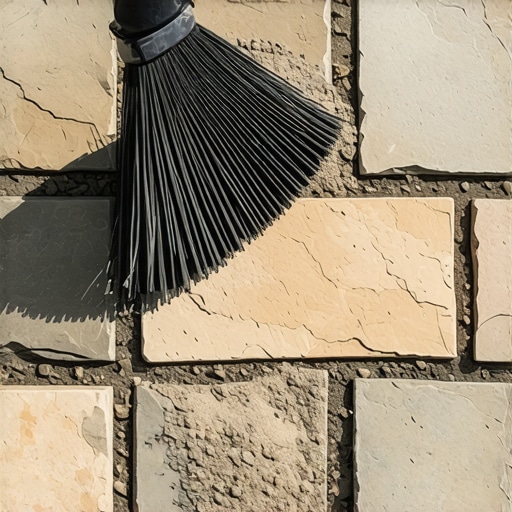
- Jointing: Sweep in polymeric sand and activate with a light mist.
The tamper should literally bounce off the compacted base. If it feels mushy, keep thumping. Don’t stop until the ground stops giving. This is where the amateurs fail. They get tired and move on to the ‘pretty’ part. You are not an amateur. You are building for the next twenty years. [image-placeholder] This diagram shows the exact layering required for a frost-resistant edge.
Can you lay brick edging directly on dirt?
No. Never lay bricks directly on soil if you want them to stay level. Soil is dynamic: it expands when wet, shrinks when dry, and moves when it freezes. Without a granular drainage layer like gravel, the bricks will tilt and sink within months. Furthermore, soil contact subjects the brick to constant moisture, which accelerates the breakdown of the material through efflorescence and salt crystallization. Gravel breaks the capillary action of the water. Use it.
“Effective surface drainage is the primary factor in the longevity of any exterior masonry assembly, especially those in contact with the earth.” – Penn State Agricultural Extension
The Engineering of Grass Suppression
Lawn care and landscaping are a constant war against encroachment. When you edge with bricks, you are creating a ‘mowing strip.’ This allows you to run your mower wheel directly over the brick, ensuring a clean cut every time. This eliminates the need for heavy chemical use or constant string trimming, which can damage the base of your shrubs and trees. By maintaining a clean, hard-packed joint with polymeric sand, you also prevent weed seeds from germinating in the gaps between bricks. This is how you win the war. It is about biological control through structural design.
The Long-Term Maintenance Cycle
Your brick edge is a living system. In the first year, expect some minor settling. This is normal. After the first winter, check for any ‘proud’ bricks that have heaved. You can easily tap them back into place with a dead-blow hammer. Every three to five years, you may need to refresh the polymeric sand. Simply power wash the joints (carefully), let them dry completely, and sweep in new sand. This keeps the structure monolithic and prevents water from entering the sub-base. It is a simple task that saves the entire installation. Don’t neglect it. Brick is tough, but water is patient. Keep the joints sealed.