How to Turn an Old Stock Tank into a Backyard Water Feature
The Structural Reality of Stock Tank Water Features
To successfully turn an old stock tank into a backyard water feature, you must account for hydrostatic pressure, structural load-bearing capacity of the soil, and aquatic biological filtration. A standard 700-gallon galvanized tank weighs nearly 6,000 pounds when full; placing this on uncompacted turf will result in immediate settling and structural failure.
I always drill into my new crew members: if you don’t fix the soil grading and compaction first, every plant you put in the ground is just expensive compost. The same applies to hardscaping. I once saw a DIY stock tank pond that had tilted four inches over a single winter because the homeowner set it on top of loose mulch. The resulting torque warped the galvanized steel, popped the seams, and flooded the neighbor’s basement. Water is heavy, relentless, and unforgiving. If your base is not a compacted, level pad of #57 stone or crushed limestone, you are building a catastrophe, not a garden feature.
“A retaining wall doesn’t fail because of the stone; it fails because of the water trapped behind it.” – Hardscape Engineering Axiom
Site Selection and Load-Bearing Calculations
Selecting a site for a stock tank pond requires analyzing soil morphology and drainage patterns. You need a location that is perfectly level and has a high bearing capacity to prevent the tank from sinking into the subgrade over time. Avoid areas with high water tables or poor surface drainage.
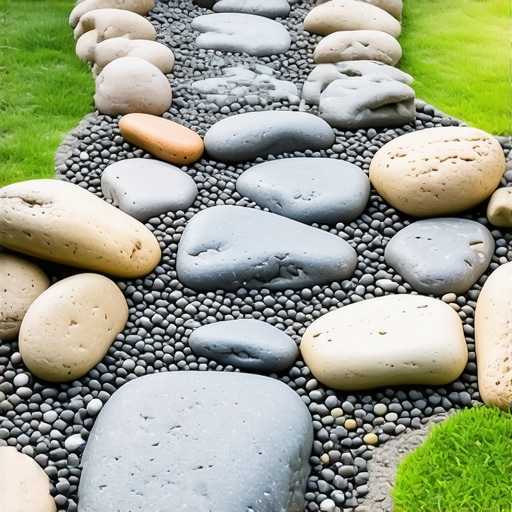
Do not trust your eyes; use a laser level. You need to excavate at least 6 inches of topsoil, which is mostly organic matter that will compress. Replace it with a modified gravel base (CA-6 or 3/4-minus). Compact this in 2-inch lifts using a plate compactor. The goal is 95% Proctor density. Anything less and the weight of the water—roughly 8.34 pounds per gallon—will find the weak spots in your soil. [image]
Engineering the Plumbing: Bulkheads over Hoses
To create a professional-grade backyard water feature, you must move beyond dropping a pump into a tank. You need bulkhead fittings. These are mechanical seals that allow you to run plumbing through the wall of the tank without leaking. A common mistake is using cheap silicone to seal a hole; the expansion and contraction of the metal will break that seal in one season.
How do I stop my stock tank water from turning green?
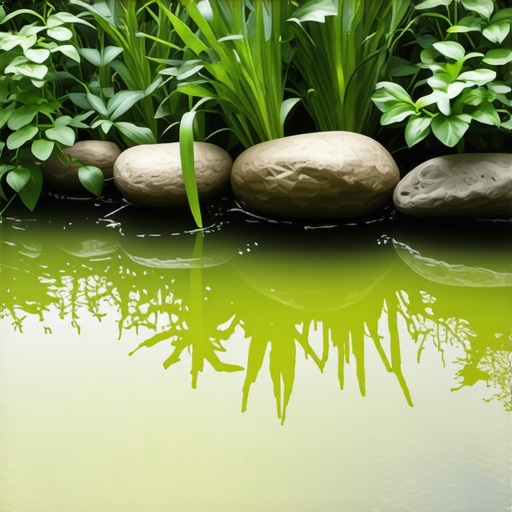
To prevent algae blooms in a stock tank pond, you must establish a biological nitrogen cycle using a bio-filter and UV clarifier. Green water is caused by excess nitrates and sunlight; by using beneficial bacteria and floating aquatic plants like Pistia stratiotes, you starve the algae of nutrients. Do not over-scrub the tank walls. That thin layer of brown or green film is actually a biofilm of nitrifying bacteria that processes fish waste and decaying organic matter.
| Material Type | Durability (Years) | Pros | Cons |
|---|---|---|---|
| Galvanized Steel | 10-15 | Traditional look, rigid | Zinc toxicity, prone to rust at seams |
| Polyethylene (Plastic) | 20+ | Corrosion proof, UV resistant | Can warp if not fully supported |
| Stainless Steel | 50+ | Indestructible, modern | Extremely high cost |
The Aquatic Chemistry of Galvanized Steel
If you plan on adding fish, the galvanized coating is your enemy. These tanks are hot-dipped in zinc to prevent rust, but zinc is highly toxic to Koi and Goldfish at the pH levels typically found in backyard ponds. As the zinc leaches into the water, it causes gill damage and neurological failure in aquatic life. You have two professional choices: acid-wash and seal the interior with a food-grade epoxy, or use a 45-mil EPDM pond liner inside the tank. I prefer the liner. It adds a secondary layer of leak protection and isolates the water chemistry from the metal.
Do I need a foundation for a stock tank pond?
Yes, every stock tank water feature requires a compacted gravel foundation or a reinforced concrete pad to distribute the weight and prevent point-loading. Without a foundation, the tank will experience differential settlement, leading to skewed water levels and eventually structural buckling of the tank walls. A 4-inch base of compacted 3/4-inch crushed stone is the minimum standard for any feature over 100 gallons.
“Water chemistry in small volumes is inherently unstable; the smaller the tank, the faster the pH and ammonia spikes can kill aquatic life.” – Aquaculture Extension Office Manual
Biological Filtration and Aeration Logistics
Oxygenation is non-negotiable. Stagnant water is a breeding ground for Culex mosquitoes and anaerobic bacteria that produce hydrogen sulfide (that rotten egg smell). You need a pump that can turn over the entire volume of the tank at least twice per hour. If you have a 300-gallon tank, you need a pump rated for at least 600 GPH (Gallons Per Hour) at your specific head height.
- Excavation: Remove all sod and organic topsoil to a depth of 6-8 inches.
- Base Prep: Fill with 4 inches of crushed stone and compact until the base is rock-hard.
- Leveling: Use a 4-foot level or transit to ensure the base is within 1/8 inch of level across the entire span.
- Plumbing: Drill the tank for 1-inch or 2-inch bulkhead fittings for the intake and return lines.
- Sealing: Apply EPDM liner if using galvanized steel for fish, or seal seams with high-grade marine sealant.
- Filtration: Install a pressurized bio-filter hidden behind the tank or buried nearby.
- Planting: Use a mix of oxygenators (Anacharis) and nutrient-hogs (Water Lilies) to balance the ecosystem.
Winterization and Thermal Mass Management
In regions with freeze/thaw cycles, an above-ground stock tank is a liability. Because the water is exposed to the air on all sides, it will freeze much faster than an in-ground pond. This expansion can split the seams of a metal tank or crack a poly tank. I recommend installing a submersible de-icer or a bubbler to keep a hole open in the ice. This allows for gas exchange, letting toxic gasses escape while keeping the water from freezing solid. If you are in USDA Zone 5 or colder, you may need to wrap the tank in 2-inch rigid foam insulation and cover it with a decorative cedar surround to provide enough R-value to protect the pump and plumbing. Avoid cheap pond heaters; they draw massive amounts of electricity and often fail when the temperature drops below zero.
The Hardscape Finish: Integrating the Tank
An old stock tank looks like a piece of farm equipment if you don’t integrate it into the garden design. Use hardscaping techniques to anchor it. This might mean building a dry-stack stone wall around the perimeter or a timber wrap using pressure-treated 4x4s. Whatever you choose, ensure the surrounding material doesn’t trap moisture against the steel, which will accelerate oxidation. Leave a 1-inch air gap between the tank wall and any decorative cladding. This airflow is critical for the longevity of the metal. Don’t use mulch right up to the edge; the acidity in rotting wood chips will eat through the galvanized coating in three seasons. Use river rock or cobblestone instead.
![Build a $250 2026 Backyard Waterfall [Step-by-Step]](https://lawnmajesty.com/wp-content/uploads/2026/07/Build-a-250-2026-Backyard-Waterfall-Step-by-Step.jpeg)