Stop 2026 Garden Mildew with This Pruning Tip
The Forensic Autopsy of a Dying Shrub: Why Your Garden Is a Petri Dish
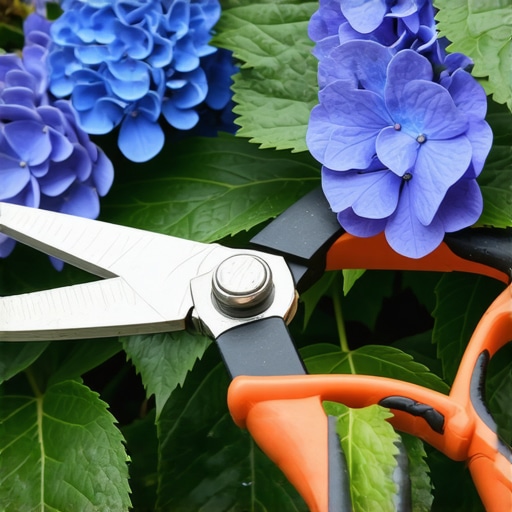
The smell of powdery mildew is unmistakable to anyone who has spent two decades in the dirt; it is a cloying, musty scent that signals the slow suffocation of a plant. When you see that white, flour-like dust coating your Monarda or Ninebark, you are looking at a structural failure of the garden’s design. I was recently called to a site where a client had spent $12,000 on a perennial border that was completely gray by mid-July. The homeowner thought they needed more chemicals. They were wrong. The issue wasn’t a lack of fungicide; it was a total lack of internal gas exchange. I always drill into my new crew members: if you do not fix the airflow first, every plant you put in the ground is just expensive compost waiting to happen. You cannot fight biology with a spray bottle if your canopy is built like a brick wall. [image_placeholder_1]
What is the best pruning tip to prevent garden mildew?
The most effective pruning tip to stop 2026 garden mildew is implementing thinning cuts that remove at least 20-30% of the interior biomass to facilitate cross-ventilation and solar penetration. By targeting the older, crossing branches at the base of the plant, you lower the relative humidity within the canopy and eliminate the stagnant microclimate where Erysiphales fungi thrive. This structural modification allows the leaf cuticle to dry faster after dew or rain events.
The Engineering of Airflow: Beyond the Surface
Mildew is not a random occurrence; it is a calculated opportunistic pathogen that exploits high-humidity pockets. When a plant’s canopy is too dense, the interior leaves are shaded, keeping them cool and moist while the exterior leaves bake in the sun. This temperature differential creates a localized humidity trap. As a professional, I look at a shrub as a series of fluid dynamics problems. If air cannot move through the center of the plant at a rate of at least 1-2 miles per hour during a light breeze, the stomata on the leaf undersides remain damp. It will rot. There is no middle ground. You must understand the distinction between thinning and heading. Heading cuts—where you just shear off the tips—actually make the problem worse by stimulating a flush of succulent new growth at the perimeter, which further seals off the interior. Thinning cuts, however, involve removing an entire branch back to its point of origin. This opens the ‘lungs’ of the plant. It is basic civil engineering applied to a living organism.
“Powdery mildew fungi are unique in that they do not require free water on the leaf surface for infection, but they do require high atmospheric humidity to proliferate within the canopy.” – Penn State Agricultural Extension
Biological Mechanisms of Fungal Infection
The spores, or conidia, of powdery mildew are wind-borne. They land on a leaf and, if the conditions are right—meaning stagnant air and shade—they send out a germ tube that pierces the plant’s epidermis. Once they have established a haustorium (a root-like structure that sucks nutrients from the plant cells), the infection is systemic for that leaf. You aren’t just losing aesthetics; you are losing photosynthetic capacity. I have seen entire landscapes devalued because the installer didn’t account for the mature width of the plants, leading to a crowded, mildew-prone mess. We use 1/4-inch bypass pruners, not anvils, to ensure the tissue isn’t crushed during the cut. A crushed stem is an open door for pathogens. Clean cuts heal fast. Ragged cuts invite disaster.
| Plant Species | Mildew Sensitivity | Recommended Pruning Action | Optimal Timing |
|---|---|---|---|
| Common Lilac (Syringa) | High | Remove 1/3 of oldest canes at ground level | Immediately after bloom |
| Garden Phlox | High | Thin to 5-7 main stems per plant | Late Spring |
| Ninebark (Physocarpus) | Moderate | Thin interior crossing branches | Late Winter/Dormant |
| Beebalm (Monarda) | High | Thinning for 50% air gap between stems | Early Summer |
How much do I prune to stop mildew?
To effectively stop mildew, you should remove approximately one-third of the densest interior growth. Focus on the ‘three Ds’: dead, damaged, and diseased wood first. Then, look for branches that are growing toward the center of the plant rather than outward. Removing these creates a ‘vase’ shape that allows light to hit the crown of the plant. Light is a natural disinfectant. UV rays inhibit spore germination. If the sun can’t see the soil under the plant, you haven’t pruned enough. Don’t be timid. Most homeowners are afraid of hurting the plant, but in reality, you are performing a life-saving bypass surgery. If you leave it thick, the fungus will do the ‘pruning’ for you by killing the interior leaves anyway.
When is the best time to prune for airflow?
For most deciduous shrubs and perennials, the best time to prune for airflow is during the dormant season (late winter) to set the structural framework, followed by a light thinning in early summer before the humidity peaks in July and August. However, for spring-flowering plants like Lilacs, wait until immediately after they bloom. If you wait until you see the white spots, you are already behind the curve. Preventive pruning is the only way to stay ahead of the 2026 spore load. We start our maintenance cycles in March to ensure the canopy is ready for the first heat wave of June. If you miss the window, you’re just playing defense.
“Proper plant spacing and thinning are the primary cultural controls for reducing the inoculum of fungal pathogens in residential landscapes.” – ICPI Hardscape and Softscape Standards
The Professional Tool Sanitization Checklist
- Isopropyl Alcohol (70%): Always wipe blades between different plants to prevent cross-contamination of spores.
- Bypass Pruners: Ensure the blade is tensioned correctly so it doesn’t tear the bark.
- Sharpening Stone: A dull blade creates microscopic fractures in the stem that trap moisture.
- Disposal Bags: Never compost mildew-ridden clippings. The spores can survive the heat of a standard backyard compost pile.
Nitrogen and Soil: The Hidden Mildew Catalyst
Landscaping isn’t just about what you cut; it’s about what you feed. I see ‘mow-and-blow’ contractors dumping high-nitrogen fertilizer on gardens every spring. This is a death sentence. High nitrogen causes a rapid flush of soft, succulent green growth. This ‘weak’ growth has a thin cuticle that is incredibly easy for mildew spores to penetrate. We prefer slow-release organic amendments that build soil structure rather than just forcing growth. Check your soil pH. If your soil is out of balance, the plant is stressed. A stressed plant is a target. I’ve spent more time fixing soil chemistry than I have actually planting in the last five years. Most people want a quick fix, but a garden is a long-term engineering project. Stop over-watering your foliage. Use drip irrigation. Water the roots, not the leaves. If you are using overhead sprinklers at night, you are basically inviting the mildew to dinner. Don’t do it.
![Stop 2026 Root Girdling in Potted Trees [Pruning Fix]](https://lawnmajesty.com/wp-content/uploads/2026/06/Stop-2026-Root-Girdling-in-Potted-Trees-Pruning-Fix.jpeg)
![Fix 2026 Yellowing Evergreen Needles [Soil Fix]](https://lawnmajesty.com/wp-content/uploads/2026/05/Fix-2026-Yellowing-Evergreen-Needles-Soil-Fix.jpeg)