Stop 2026 Garden Rust with This Simple Trick
The Forensic Autopsy: Why Your Garden Is Turning Orange
Garden rust is a fungal infection caused by Puccinia species that manifests as orange or yellow pustules on foliage. It thrives in high humidity and requires a film of water on the leaf surface for at least 6 to 10 hours to germinate and penetrate the plant tissue. I recently walked onto a property in mid-July where the homeowner had tried to cure a minor rust outbreak by dumping five times the recommended rate of high-nitrogen fertilizer and a gallon of unbuffered copper sulfate. The lawn wasn’t just orange anymore; it was black, chemically cauterized, and the soil pH had plummeted to a 4.2. That is not landscaping; that is a crime scene. When you see those orange spores, you are looking at an obligate parasite. It is not just a cosmetic issue; it is a signal that your garden’s cultural conditions are failing at a structural level. The spores are microscopic, but the impact is massive, clogging the stomata and preventing the plant from photosynthesizing effectively. To fix this, we have to look at the engineering of your yard, starting with the air and ending with the soil chemistry.
How do you identify rust on plants?
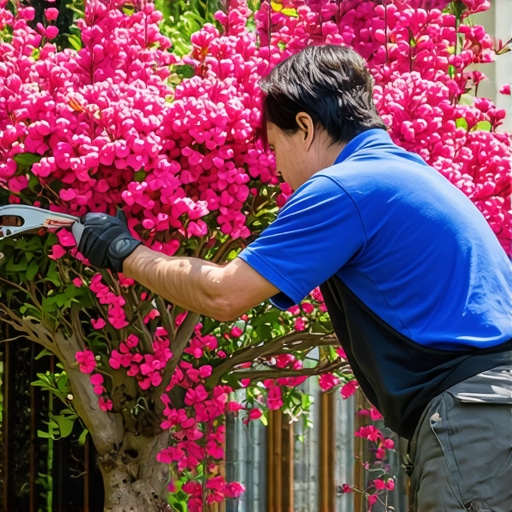
Identifying rust requires a close inspection of the leaf underside, where you will find raised, powdery pustules that rub off on your fingers, unlike the flat lesions of leaf spot or the white mycelium of powdery mildew. Rust fungi have complex lifecycles, often requiring two different host plants to complete their reproductive phases. For example, Cedar-Apple rust moves between Junipers and Malus species. If you have both on your property, you have built a highway for infection. You can’t just spray a chemical and hope for the best. You have to disrupt the cycle. I tell my crew every morning: we aren’t here to paint the plants; we are here to manage the environment. If the soil is compacted and the air is stagnant, you are just providing a petri dish for Puccinia. We use soil probes to check for compaction layers that hold moisture at the surface. A 3-inch layer of thatch in your turf grass is a breeding ground. You need to pull 3.5-inch cores during aeration to get the air moving where it matters. [image]
“Rust fungi are obligate biotrophs, meaning they require living host tissue to grow and reproduce.” – University of Minnesota Extension Service
The 4 AM Irrigation Pulse: The Simple Trick to Stop 2026 Rust
The strategic 4 AM irrigation pulse is the most effective method for controlling garden rust because it minimizes the duration of foliar leaf wetness while ensuring the root zone receives 1 inch of water. By watering just before dawn, the rising sun quickly evaporates the remaining surface moisture, preventing the 10-hour window required for fungal germination. Most homeowners water at 8 PM. That is a death sentence. You are leaving the foliage wet for 12 hours straight in the heat of the night. That is when the spores settle and strike. My firm installs smart irrigation controllers set to a specific 15-minute soak-and-cycle routine starting at 4:15 AM. We use MP Rotator heads that deliver water at a rate of 0.4 inches per hour, which is slow enough to prevent runoff but fast enough to beat the sun. This isn’t just about saving water; it’s about engineering a dry canopy. We also look at the interior canopy density of your shrubs. If you can’t see the stems, neither can the wind. We perform selective thinning, removing up to 20 percent of the interior branching to allow for a Venturi effect, where air speed increases as it moves through the narrowed gaps of the plant, drying it out instantly after a rain event.
| Pathogen | Primary Symptom | Moisture Window | Soil Logic Factor |
|---|---|---|---|
| Puccinia (Rust) | Orange Pustules | 6 to 10 Hours | Excessive Nitrogen |
| Oidium (Mildew) | White Powdery Film | High Humidity | Stagnant Airflow |
| Rhizoctonia | Brown Patch | 10 Plus Hours | Soil Compaction |
| Phytophthora | Root Rot | Constant Saturation | Poor Drainage |
Will garden rust kill my lawn?
Garden rust rarely kills turf grass outright, but it severely weakens the plant by depleting carbohydrate reserves, making the lawn susceptible to secondary infections and heat stress during the summer months. It is a slow drain on the plant’s battery. If you have a lawn that feels like a sponge when you walk on it, you have a drainage problem that is feeding the rust. We look at the hydrostatic pressure in the soil. If your yard has a clay content higher than 40 percent, you are dealing with a slow infiltration rate. The water sits. The rust wins. We remediate this by injecting liquid aeration treatments and top-dressing with a 70/30 mix of masonry sand and organic compost to break the surface tension. Don’t buy the $5 bags of topsoil from the big-box store. That stuff is often contaminated with weed seeds and hasn’t been screened for pathogens. You want a kiln-dried, screened material. Precision is everything. If your nitrogen levels are too high, the plant produces soft, succulent growth that the fungus can easily puncture. We keep our nitrogen levels at exactly 0.5 pounds per 1000 square feet during the rust season. No more, no less.
“Proper air circulation is the most effective cultural control for reducing the incidence of rust in residential landscapes.” – Texas A&M AgriLife Extension
The 2026 Prevention Checklist
- Sanitize all pruning shears with 70 percent isopropyl alcohol between every single plant to prevent cross-contamination.
- Calibrate irrigation systems to deliver exactly 1 inch of water per week, applied in a single early-morning session.
- Maintain a mulch depth of no more than 2 inches; never pile mulch against the root flare of a tree or shrub.
- Test soil pH every 24 months; aim for a 6.5 to 7.0 range to maximize the plant’s natural immune response.
- Remove and incinerate all infected leaf litter in the fall; do not compost it, as home piles rarely reach the 140 degree Fahrenheit threshold required to kill spores.
If you are serious about your landscape, you stop looking at the symptoms and start looking at the mechanics. A retaining wall fails because of the water behind it, not the stone on the front. Similarly, a garden gets rust because of the moisture on the leaf, not just because the spores exist. The spores are everywhere. They are in the wind. They are on your shoes. You can’t eliminate the spores, but you can eliminate the conditions. We use sub-surface drip irrigation for all our garden beds. This delivers water directly to the root zone via 0.9 gallon-per-hour emitters, keeping the foliage 100 percent dry. It costs more to install, but it’s cheaper than replacing $10,000 worth of Japanese Maples that have been defoliated by fungal blight. Stop using overhead sprinklers for anything other than turf. It’s an outdated, inefficient practice that creates a breeding ground for disease. Modern landscaping is about precision engineering and biological management. Get the drainage right, get the airflow right, and the rust won’t have a chance to settle. It’s about calloused hands and a sharp mind. Don’t let a simple fungal parasite ruin years of investment because you didn’t want to fix your irrigation timer.
![Build a $50 2026 Rain Barrel System [Save Water]](https://lawnmajesty.com/wp-content/uploads/2026/05/Build-a-50-2026-Rain-Barrel-System-Save-Water.jpeg)