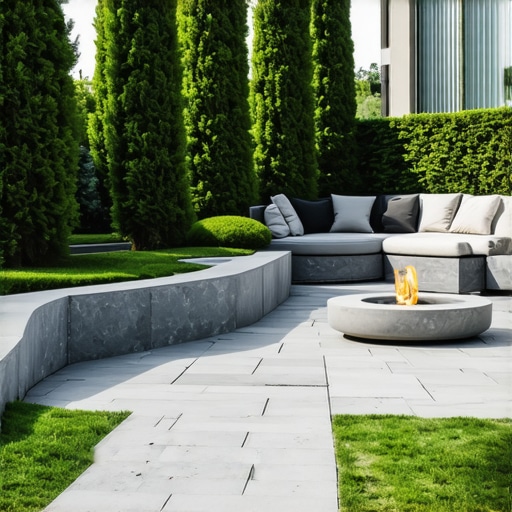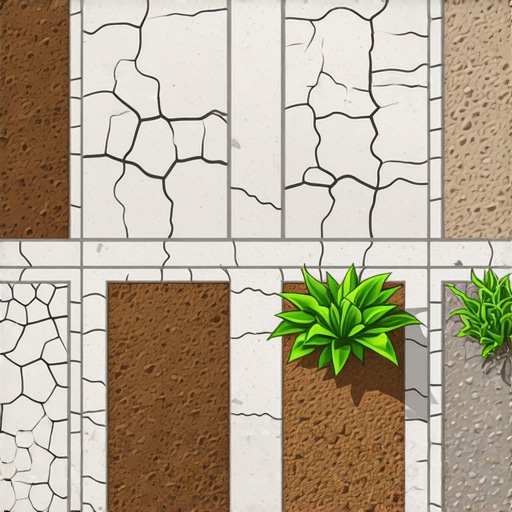
It was a frustrating weekend for me. I had just finished installing a new paver patio, feeling pretty proud of the transformation. But a few months later, cracks started to appear—deep, unsightly fissures that threatened to ruin the entire project. That lightbulb moment hit me hard: I had overlooked the soil beneath my hardscaping. Little did I know then that neglecting soil preparation is one of the biggest culprits behind hardscaping cracks, and fixing it early can save you a ton of headache down the line.
Why Cracks in Hardscaping Are More Than Just a Visual Nuisance
Cracks not only sap the aesthetic appeal of your outdoor space but also compromise the structural integrity of your hardscaping features. As soil shifts, settles, or expands due to moisture changes, it exerts pressure on your pavers, concrete, or stonework. This process can lead to sinking, uneven surfaces, or worse—complete failure of the installation. My mistake early on was thinking that hardscaping materials alone would do the trick. I learned the hard way that healthy, stable soil is the backbone of any durable outdoor improvement.
Research shows that soil movement is responsible for up to 80% of hardscape failures if not addressed properly (source: Lawn Majesty). Addressing soil issues proactively can prevent costly repairs and ensure your hardscaping lasts well past 2026. Today, I want to share some soil fixes I’ve found invaluable—ones that can keep your patio, walkway, or wall solid for years to come. But first, tell me—have you ever faced cracking or sinking in your outdoor projects? If so, you’re not alone, and help is closer than you think.
Is Soil Preparation as Crucial as the Materials You Use? The Truth About Hardscaping Longevity
In my early projects, I made the mistake of rushing the soil prep process—thinking I could patch things up later. That’s a common misconception. Proper soil stabilization is a game-changer. If you neglect it, even the most high-quality pavers or stones can crack prematurely. To avoid this, I recommend paying close attention to soil drainage and compaction, which are key factors influencing long-term durability. If you’re curious about how to improve your soil before installing hardscaping, check out these proven soil stabilization tips. Staying ahead of soil issues is the best investment you can make in your outdoor space’s future.
Prepare Your Soil Like a Pro
Start by removing any weeds, debris, or loose soil from your site, creating a clean slate for stabilization. Use a garden rake to level the surface, mimicking flattening a tabletop before laying tiles—this prevents uneven settlement later. I once rushed this step and ended up with a wobbly patio within months, so take your time here. Next, evaluate drainage—dig small trenches or install gravel basins where water tends to pool, ensuring excess moisture doesn’t weaken the soil structure. Proper drainage reduces soil expansion and contraction that often leads to cracks.
Compact the Soil Effectively
Compaction is your best friend in soil stabilization. Use a manual hand tamper or rented plate compactor to press down the soil in layers, aiming for about 95% compaction. Think of it like packing a box tightly—loose contents shift and settle over time. I once applied too little pressure, and after a heavy rain, my patio shifted noticeably. Always water the soil before compaction to improve density and eliminate air pockets. Repeat the process in layers until you achieve a firm, solid base that can support the hardscape.
Layer in Stabilization With Geotextile Fabric
Lay down a geotextile fabric over your compacted soil as a weed barrier and stabilizer—it acts like a buffer, preventing soil particles from mixing with your gravel or sand layers. This keeps your base uniform and prevents future settling that causes cracking. During one project, skipping this step resulted in soil mixing with the base materials and subsequent instability. Cut and lay the fabric smoothly, overlapping edges where necessary, then secure with landscape staples. This extra layer can dramatically increase your hardscaping’s longevity.
Build a Drainage-Friendly Base
Construct your base using angular gravel or crushed stone, with a thickness of at least 4-6 inches. Rake the gravel evenly, then use your compactor to lock the stones in place, creating a stable foundation. Avoid straight, level layers; instead, slightly grade the base to facilitate runoff. I once made the mistake of choosing finer gravel that compacted without drainage, leading to water pooling and soil upheaval. Properly graded and compacted base prevents moisture retention, which shrinks or expands the soil underneath.
Incorporate Proper Edging Techniques
Install edge restraints like concrete curbs or steel edgings to hold your pavers or stones securely. Think of edging as the belt that keeps your pants from sagging—it maintains shape and prevents spreading. Secure the edges into the ground with stakes or anchors, ensuring they are firmly in place. During my project, skipping this step resulted in my pavers spreading apart over time, making the surface uneven and prone to cracking. Stable edges are vital for maintaining the gasketed ‘box’ that keeps everything supported.
Use Consistent Materials and Techniques
Consistency matters. When laying your pavers or stones, use the same type and joint filler throughout to prevent differential settling. Fill joints with polymeric sand or gravel, then compact thoroughly. This tightly packed joint is akin to filling a sandwich—the more compressed, the less likely it is to shift. I experimented with different joint fillers early on, which caused uneven settling; sticking with uniform materials and techniques ensures a smoother, more durable surface.
Regular Maintenance and Monitoring
After installation, periodically inspect your hardscaping for signs of movement or cracks—catching issues early can save you big repair costs. Keep nearby soil healthy with proper watering, aeration, and fertilization, supporting root health that stabilizes soil structure around your hardscape. Remember, just as a well-maintained lawn supports your landscape’s beauty, attentive soil care underpins your hardscaping’s resilience. For broader lawn health, consider following these aeration tactics that enhance soil stability.Many homeowners operate under some persistent misconceptions about landscaping and hardscaping, often leading to costly mistakes. One widespread myth is that choosing expensive materials guarantees durability, but without proper soil preparation and installation techniques, even premium products can fail prematurely. In my experience, the true foundation of a lasting outdoor space is meticulous soil stabilization and understanding soil behavior under different conditions. Simply put, material selection is important, but it’s the underlying soil management that truly determines longevity.
Another mistake I often see is the belief that regular watering alone keeps lawns healthy, when in reality, overwatering can create spongy soil, leading to root rot and uneven growth. Correcting this misconception involves understanding advanced irrigation tweaks that promote deep root growth and soil aeration, which can be game-changers for your lawn’s resilience. For a comprehensive guide on optimizing watering practices, check out these irrigation tips.
What often surprises even seasoned landscapers is how soil amendments can dramatically impact hardscape longevity. Many assume that compacted or poor-quality soil won’t influence the outcome, but in reality, neglected soil can lead to shifting foundations and cracks over time. Incorporating soil conditioners or organic matter enhances stability and drainage, preventing moisture-related expansion and contraction. For advanced gardeners, understanding the soil’s role in hardscape success is essential for long-term satisfaction.
Ever heard someone say that design aesthetics should be prioritized over functionality? Let me challenge that notion: a beautiful garden is useless if it isn’t durable. Effective hardscaping incorporates both visual appeal and structural integrity. This balance involves making smart choices about base materials, drainage, and edging—details that most overlook at their peril. See these expert strategies for integrating design with durability.
When planning your landscape, it’s tempting to focus solely on plant selection and aesthetic layout. However, the hidden nuance lies in understanding the microclimates and soil variability across your property. Small differences in soil pH or drainage paths can alter plant health, sometimes disastrously. Conducting soil tests and observing sun and shade patterns can reveal these subtleties, ultimately enhancing your garden’s success. For a step-by-step guide, see this resource.
Finally, beware of the trap of ignoring regular maintenance. Many think once a hardscape is installed, their work is done. But just like a lawn or garden, your hardscape requires periodic inspections, joint re-filling, and weed control. Overlooking these details accelerates deterioration, nullifying your initial investment. Regular care, combined with a deep understanding of soil and material behavior, ensures your outdoor space remains stunning and functional for years to come. Remember, true expertise lies in the details behind the scenes. Have you ever fallen into this trap? Let me know in the comments.
Investing in the Right Tools for Longevity
Maintaining your outdoor spaces requires precision and quality equipment. I personally rely on a high-quality plate compactor from reputable brands like Wacker Neuson because it ensures the soil base remains uniformly compacted, preventing future settling and cracking. A reliable tamper is essential for smaller areas or detailed work. Additionally, my go-to is a cordless, brushless weed whacker, which offers both power and maneuverability without the fuss of cords. Choosing tools that balance durability with ease of use saves you time and prevents fatigue during maintenance routines.
Streamlining Maintenance with Smart Technologies
Automation is changing how we approach outdoor upkeep. I recommend integrating smart irrigation controllers like the Rachio system. They program watering schedules based on weather forecasts, significantly reducing water waste—an issue I’ve tackled by adjusting my irrigation over time to accommodate seasonal shifts. These controllers communicate with soil moisture sensors for real-time data, allowing you to fine-tune watering in different zones, which keeps your lawn healthy and avoids overwatering that can weaken the soil structure. The future of landscape maintenance will lean heavily on such intelligent systems, making it easier to sustain long-term results without constant manual oversight.
Mechanical vs. Organic: Choosing Your Approach
For ongoing soil health, I advocate combining mechanical aeration with organic soil amendments. Mechanical aerators, like spike or plug aerators, create pathways for water, air, and nutrients, directly addressing issues of spongy or compacted soil—more on this can be found in the technical bulletin from the University of California Cooperative Extension.[^1] Organic matter, such as compost or organic soil conditioners, enhances soil structure and microbial activity, promoting resilience against droughts and temperature extremes. Regularly applying these amendments, especially after aeration, maintains soil vitality and ensures your hardscaping remains supported by a healthy foundation.
How do I Maintain My Landscaping Over Time?
Consistent monitoring is key. Set aside time monthly to inspect for signs of uneven settling, weed intrusion, or damaging pests. Use a soil moisture meter to confirm your irrigation is delivering the right amount of water—overwatering or underwatering can unleash soil expansion or contraction, undermining your hardscape investments. Incorporate seasonal soil testing, which guides your fertilization and amendment strategies, practically extending the lifespan of your outdoor features. Check out this soil testing guide to learn more about sustaining healthy soil.
Try investing in a core aerator this season—it’s proven to improve soil airflow and reduce compaction effectively. Using a professional-grade, petrol-powered aerator ensures deeper penetration than manual tools, giving your soil the breathing space it needs. Many homeowners overlook this step, but its impact on long-term durability is significant. Make it a part of your regular maintenance routine to keep your lawn and hardscaping structurally sound for years ahead.
The Hardest Lesson I Learned About landscaping,hardscaping,lawn care,garden design
- Skipping detailed soil prep can lead to cracks and sinking, no matter how high-quality your materials are. I once believed that choosing premium pavers was enough, but flawed soil set me up for failure.
- Understanding soil behavior under moisture fluctuations transformed my approach; now I know that even subtle shifts can compromise a well-designed space.
- Proactive soil stabilization isn’t just a step—it’s the foundation of your hardscaping’s longevity, and neglecting it costs more than just time and money in the long run.
- My lightbulb moment was realizing that soil health and drainage are invisibly critical—kind of like the unseen backbone supporting a stunning sculpture.
- Every successful project I now undertake begins with thorough soil testing and preparation, saving me future headaches and repairs.
My Essential Toolkit for landscaping,hardscaping,lawn care,garden design
- Plate Compactor from Wacker Neuson: Trustworthy for ensuring uniform compaction—crucial for preventing future settling.
- Soil Moisture Meter: Helps fine-tune irrigation, keeping moisture levels optimal to avoid expansion or contraction.
- Geotextile Fabric Supplies: Essential for creating a stabilized, weed-resistant base that lasts decades.
- High-Quality Shovel and Rake: The backbone of initial soil assessment and adjustment, leading to better foundations.
Why 2026 Can Be Your Garden’s Best Year Yet
Embarking on your landscaping journey with a focus on soil health isn’t just about fixing problems—it’s about building confidence and enjoying the process of transforming your outdoor space into a resilient haven. Remember, the true magic lies beneath the surface. Investing in proper soil stabilization techniques today will save you from costly repairs tomorrow, allowing your hardscape to stand strong for years. So, why not start now? Your future self will thank you for the commitment you make today to soil stability and outdoor excellence.
What has been your biggest challenge in preparing soil for hardscaping or landscaping? Share your experiences below—I’m here to help you avoid common pitfalls and achieve stunning, enduring results!
![4 Modular Wall Fixes for Sloped 2026 Backyards [Proven]](https://lawnmajesty.com/wp-content/uploads/2026/02/4-Modular-Wall-Fixes-for-Sloped-2026-Backyards-Proven.jpeg)