The Anatomy of Lavender Root Rot: Why 2026 is Your Deadline
Lavender root rot is an anaerobic fungal infection caused primarily by Phytophthora pathogens that thrive in oversaturated, heavy soils with zero pore space. To stop 2026 lavender root rot, you must implement the 1-inch gravel collar hack, which involves replacing organic mulch with one inch of clean crushed stone around the plant’s crown to eliminate moisture retention and prevent crown decay. This creates a dry micro-climate that interrupts the fungal life cycle. It is the only way to save Mediterranean species in clay-heavy regions.
I recently got called out to tear up a $30,000 patio and garden installation that was sinking and smelling like a swamp because the previous contractor didn’t understand soil physics. The homeowner had spent five figures on ‘Hidcote’ and ‘Munstead’ lavender varieties, only to watch them turn into gray, mushy skeletons within six months. When we excavated, I found the culprit: they had used a heavy double-shredded hardwood mulch right up against the root flares. That mulch acted like a wet sponge, suffocating the roots and inviting every pathogen in the zip code. We had to rip out 40 yards of saturated soil just to get back to a workable base. It was a total failure of engineering, not gardening. I don’t let my crew make those mistakes. If you don’t fix the drainage, you’re just throwing money into a compost pile.
“A retaining wall doesn’t fail because of the stone; it fails because of the water trapped behind it. The same logic applies to xeric plants like lavender; it’s the trapped hydrostatic pressure in the soil that kills the root system.” – Hardscape Engineering Axiom
How do I know if my lavender has root rot?
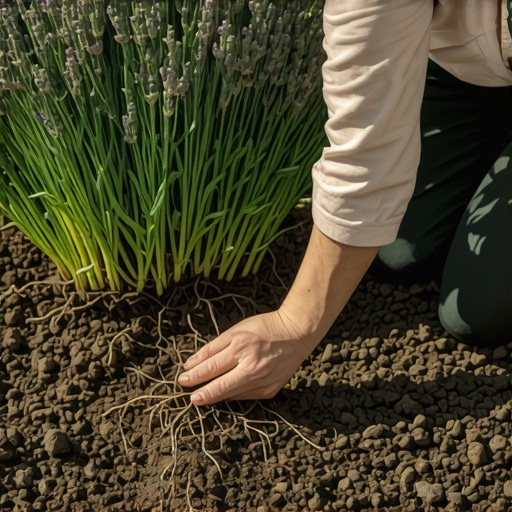
Look for silvering foliage that turns a dull, brittle brown starting from the base of the plant. If the main stem feels soft or ‘squishy’ near the soil line, the vascular system is already compromised. Dig a small hole near the root ball. Healthy roots are white and firm. Rotted roots are black, slimy, and smell like sulfur. It’s a death sentence if you don’t act fast. Move the soil. Check the moisture. Do it now.
The 1-Inch Gravel Hack: Engineering the Root Flare Drainage
The 1-inch gravel hack utilizes 3/4-inch clean crushed stone or pea gravel to create a non-capillary break between the soil surface and the plant’s crown. By removing all organic material within a 6-inch radius of the stem and replacing it with stone, you ensure that atmospheric airflow can reach the root flare, effectively ‘cauterizing’ any potential fungal outbreaks before they penetrate the woody tissue. This isn’t just decoration; it’s a mechanical drainage solution.
Most people treat lavender like a marigold. It isn’t. Lavender is a sub-shrub from the Mediterranean where the soil is essentially broken rocks and scree. When you put it in a ‘lush’ garden bed with premium topsoil, you are literally drowning it in kindness. The 1-inch gravel hack works because stone doesn’t hold water. It allows the sun to bake the crown of the plant while the roots stay cool but dry. I recommend using a volcanic rock or a light-colored granite to reflect heat back up into the foliage. This also aids in essential oil production. You get better-smelling plants and zero rot. It’s a win-win.
| Material Type | Drainage Rating | Rot Risk Level | Best Use Case |
|---|---|---|---|
| Hardwood Mulch | Poor | Critical | Large trees only |
| Pine Bark Nuggets | Moderate | High | Acid-loving shrubs |
| 1-Inch Crushed Stone | Excellent | Zero | Mediterranean herbs |
| Pea Gravel | Excellent | Low | Rock gardens/Lavender |
“Lavender requires a soil pH between 6.7 and 7.3 for optimal nutrient uptake; however, high soil moisture levels will trigger iron chlorosis and root decay regardless of pH balance.” – Agronomy Manual for Woody Ornamentals
What is the best gravel for lavender drainage?
Use 3/4-inch clean crushed limestone or decomposed granite. Avoid ‘river rock’ or smooth pebbles if you are in a high-rainfall area, as their rounded surfaces can sometimes settle too tightly. You want angular stone because it creates more air pockets. Air is your best friend when fighting Phytophthora. The goal is maximum porosity. Don’t use sand; it can clog the soil pores and create a ‘concrete’ effect with clay.
The Forensic Breakdown: Why Your Soil is Killing Your Plants
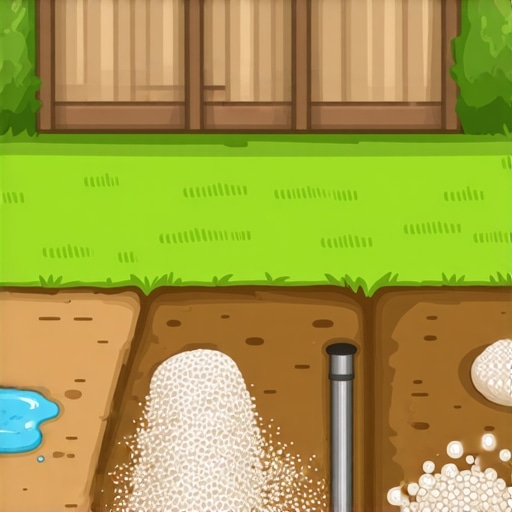
Soil compaction is the silent killer in modern landscaping, especially in newer subdivisions where heavy machinery has compressed the earth into an impermeable brick. When you plant lavender into a small hole in compacted clay, you have created a ‘bathtub effect.’ The water enters the hole but has nowhere to go, sitting at the bottom and fermenting the roots. You must break the compaction. Use a broadfork or a tiller to incorporate grit and expanded shale at least 12 inches deep. Don’t just add sand; that’s a rookie mistake. Add porosity.
- Excavate a planting hole twice as wide as the root ball.
- Incorporate 30% inorganic grit (crushed stone or perlite).
- Ensure the root flare is 1 inch above the surrounding grade.
- Apply the 1-inch gravel layer around the base.
- Never use weed fabric; it traps moisture and kills soil life.
Stop watering your lavender every day. If you see a homeowner with a hose out every afternoon, their lavender is already dead. These plants need one deep soak, then they need to starve for water. In 2026, with the predicted shifts in humidity patterns, those who don’t switch to gravel-based crown protection will lose their entire inventory. It’s a statistical certainty. Don’t be the guy calling me to tear out your dead garden in two years. Hardscape it right the first time.
![Stop Killing Heat-Stressed Hydrangeas: 3 Watering Fixes [2026]](https://lawnmajesty.com/wp-content/uploads/2026/04/Stop-Killing-Heat-Stressed-Hydrangeas-3-Watering-Fixes-2026.jpeg)
![4 Tactics to Stop 2026 Boxwood Root Rot [Tested]](https://lawnmajesty.com/wp-content/uploads/2026/04/4-Tactics-to-Stop-2026-Boxwood-Root-Rot-Tested.jpeg)