Stop 2026 Lawn Burn from High-Nitrogen Fertilizer
Understanding the Chemical Autopsy of a Nitrogen-Burned Lawn
Lawn burn occurs when excessive nitrogen salts accumulate in the soil, creating a high-osmotic environment that pulls moisture out of grass roots rather than letting them absorb it. This leads to desiccation, cellular collapse, and the characteristic yellow or brown scorched appearance of the turf. Most homeowners mistake this for drought, but the mechanism is purely chemical. It is the result of a total failure to understand the NPK ratio and the delivery mechanism of the product used.
The Chemical Nightmare: A Case Study in Fertilizer Mismanagement
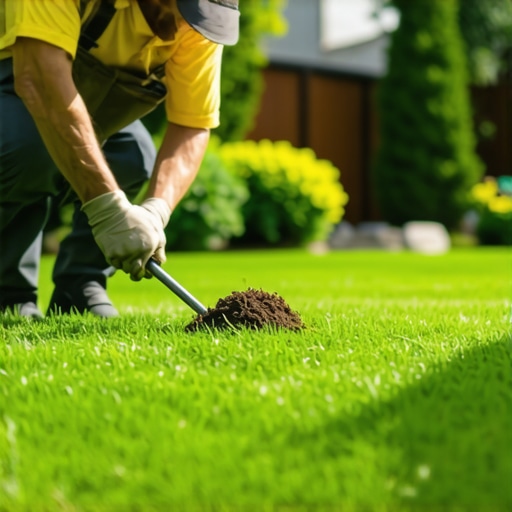
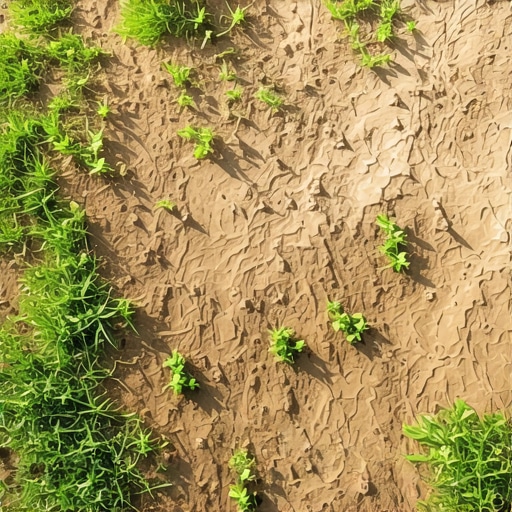
A homeowner called me in a panic last season after they completely torched their front lawn by applying a high-concentrate agricultural urea they bought online. They thought more was better. I walked onto the property and the smell of ammonia was overwhelming. The turf was not just yellow; it was crunchy, desiccated, and essentially mummified. They had applied nearly five pounds of nitrogen per thousand square feet in a single pass. That is not feeding a lawn; that is salting the earth. We had to core aerate to a depth of four inches and flush the soil with thousands of gallons of water just to bring the salinity levels down to a point where microbes could survive. The grass was a total loss. We had to excavate the top two inches of soil and start over. It was a $12,000 mistake born from a $50 bag of cheap fertilizer.
“Excessive nitrogen application can lead to a build-up of salts in the root zone, causing physiological drought even when soil moisture is adequate.” – Penn State Center for Turfgrass Science
The Science of Soil Salinity and Osmotic Stress
To prevent a repeat of this in 2026, you must understand the rhizosphere. Nitrogen is a salt. When you dump a massive load of fast-release nitrogen on a lawn, you increase the osmotic pressure of the soil solution. In a healthy scenario, water moves from the soil (lower salt concentration) into the root (higher salt concentration). When you over-fertilize, the soil becomes the higher salt environment. The laws of physics dictate that water must move toward the higher salt concentration. The soil literally sucks the life out of your grass. This is why the lawn looks burnt. It is chemically induced dehydration. Most big-box store products use urea because it is cheap. Urea hydrolysis happens fast. Within hours, it converts to ammonium and then nitrate. If the plant cannot uptake it fast enough, the excess sits there like a toxic battery. This is where landscaping turns into civil engineering. You are managing the chemical load of the site.
How long does it take for a lawn to recover from fertilizer burn?
Recovery depends on the severity of the root desiccation and the soil type. If only the leaf blades are yellowed but the crowns remain green and firm, the grass can recover in 3 to 4 weeks with intensive watering. However, if the salt has killed the crown, the plant is dead and will require complete renovation and reseeding.
Fertilizer Selection: The Pro vs. The Hack
Stop buying 46-0-0 bags of death. Professionals use controlled-release nitrogen (CRN) or polymer-coated sulfur-coated urea (PCSCU). These granules have a coating that breaks down based on temperature and moisture, meting out the nitrogen over 8 to 12 weeks. This avoids the spike in soil salinity. You should also look at the Cation Exchange Capacity (CEC) of your soil. If you have sandy soil, your CEC is low. It cannot hold onto nutrients. You apply nitrogen, it washes right through, or it sits and burns the roots. In heavy clay, the salts can linger for months, creating a toxic zone that prevents any new growth from taking hold.
| Fertilizer Type | Release Speed | Burn Risk Index | Best Use Case |
|---|---|---|---|
| Urea (46-0-0) | Instant | High | Agricultural/Professional Mixing Only |
| Ammonium Sulfate | Fast | Moderate-High | Lowering Soil pH in Alkaline Turf |
| PCSCU (Coated) | Slow | Very Low | Residential Maintenance |
| Milorganite (Organic) | Very Slow | Zero | Summer Green-up Without Growth Spikes |
“A retaining wall doesn’t fail because of the stone; it fails because of the water trapped behind it. Similarly, a lawn doesn’t fail because of the fertilizer; it fails because of the lack of water management during application.” – Hardscape Engineering Axiom
Can I neutralize high nitrogen in my soil?
You cannot chemically neutralize nitrogen once it is applied, but you can leach it. The only solution is heavy irrigation to wash the excess nitrates below the root zone. You need to apply approximately 1 inch of water per day for three consecutive days to move the salt through the profile of silt or clay soils. On sandy soils, this happens faster but risks groundwater contamination.
The 2026 Prevention Checklist
- Soil Test First: Never apply nitrogen without knowing your baseline. You might have plenty of residual N from the previous season.
- Calibrate the Spreader: I see guys with 10 years experience skip this. A miscalibrated spreader can double your application rate without you noticing until it is too late.
- Monitor the Dew Point: Applying high-nitrogen fertilizer to wet grass allows the granules to stick to the blades. As the sun comes out, the water evaporates, leaving a concentrated salt paste on the leaf. This is a guaranteed burn.
- Edge Control: Use a deflector shield. Piling up fertilizer at the edge of a driveway or patio leads to “striping” and concentrated burn zones.
- Hydration Protocol: Always water in your fertilizer with at least 1/4 inch of water immediately after application unless using a specific liquid foliar product.
Horticultural Zooming: The Microbe Factor
When you hammer a lawn with high-nitrogen synthetic salts, you aren’t just hurting the grass. You are nuking the soil microbiology. Mycorrhizal fungi and beneficial bacteria like Bacillus subtilis thrive in a balanced environment. High salt levels cause these microbes to shrivel and die. Without them, your lawn loses its natural defense against pathogens like Rhizoctonia (Brown Patch). This is the cycle of dependency that the big chemical companies want. You kill the soil, the lawn gets sick, and then you buy more chemicals to fix the sickness. Break the cycle. Use organic-bridge fertilizers that contain carbon sources to feed the microbes while providing a stable nitrogen source. We are building a biological engine, not just a green carpet. If you treat your soil like a chemistry set, it will eventually explode in your face. Treat it like a living organism, and it will reward you with resilience. The goal for 2026 is deep roots. Deep roots only grow when they have to search for nutrients. Constant spoon-feeding with high-N products makes for lazy, shallow-rooted grass that dies the first time the temperature hits 90 degrees. Stop the madness. Check your rates. Test your soil. Don’t be the guy who calls me to dig up his yard because he wanted the greenest lawn on the block in 24 hours.
{“@context”:”https://schema.org”,”@type”:”FAQPage”,”mainEntity”:[{“@type”:”Question”,”name”:”How long does it take for a lawn to recover from fertilizer burn?”,”acceptedAnswer”:{“@type”:”Answer”,”text”:”Recovery depends on the severity of the root desiccation and the soil type. If only the leaf blades are yellowed but the crowns remain green, the grass can recover in 3 to 4 weeks with intensive watering. If the crown is dead, the lawn requires renovation.”}},{“@type”:”Question”,”name”:”Can I neutralize high nitrogen in my soil?”,”acceptedAnswer”:{“@type”:”Answer”,”text”:”Nitrogen cannot be chemically neutralized. The only way to remove it is through leaching, which involves heavy irrigation to wash the excess salts below the root zone, typically requiring 1 inch of water per day for several days.”}}]}
![Why Your 2026 Grass Stays Brown After Rain [Dormancy vs Dead]](https://lawnmajesty.com/wp-content/uploads/2026/05/Why-Your-2026-Grass-Stays-Brown-After-Rain-Dormancy-vs-Dead.jpeg)
![Fix Patchy Fescue: 3 Spring Seeding Rules [2026 Fix]](https://lawnmajesty.com/wp-content/uploads/2026/06/Fix-Patchy-Fescue-3-Spring-Seeding-Rules-2026-Fix.jpeg)